

Quality Care Does Not End When the Baby Arrives
📍Mahottari District, Madhesh Province, Nepal
It was just before midnight when Sita arrived at Loharpati Primary Health Care Center (PHC).
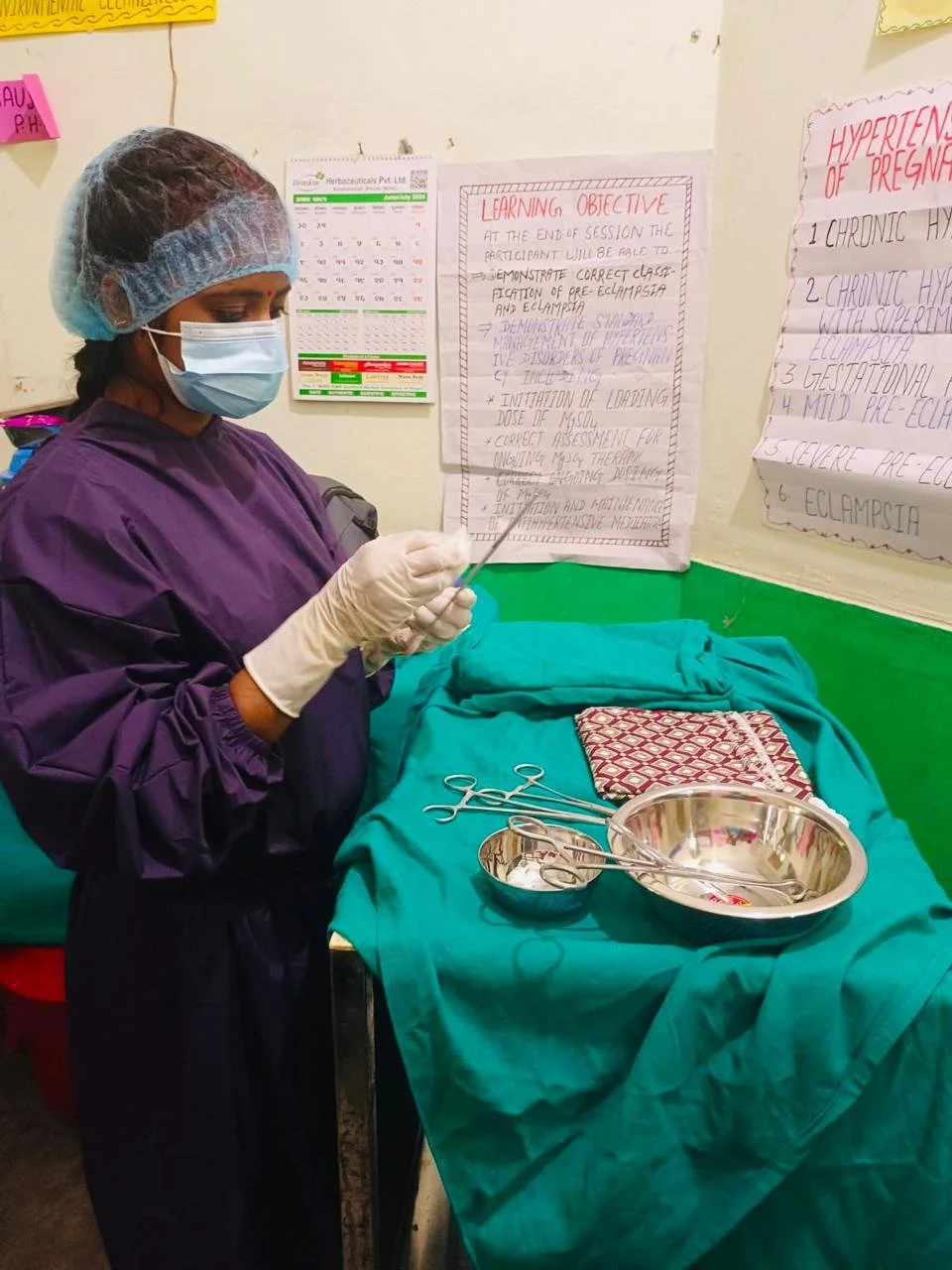
She was 38 weeks pregnant and in active labor. Ms. Sapna Sah received her and conducted a thorough assessment, preparing for what she hoped would be a normal delivery. The fetal heart rate was steady, and the baby was in the right position. Labor was progressing well.
At 12:08 AM, Sita delivered a healthy baby. Birth weight: 3 kilograms. A good cry. Normal APGAR score. Sita was exhausted, looking increasingly lethargic. Sapna watched closely because something about what she was seeing did not look quite right.
Her instincts were right. The placenta was not coming out. The uterus was not contracting the way it should. Sapna recognized the signs immediately: atonic uterus, retained placenta, and the risk of severe hemorrhage. A condition that can become life-threatening within minutes if not managed correctly.
Postpartum hemorrhage is the leading cause of maternal death worldwide. Each year, it kills around 70,000 mothers globally. Even when mothers survive, they often require urgent surgical intervention and may be left with lifelong health consequences. In Nepal’s most remote communities, where a referral can take hours and resources are limited, the difference between life and death often comes down to whether the provider in the room knows what to do.
Before the Simulation-Based Mentorship Program (SBMP), Sapna would have told you she was not confident managing this kind of complication on her own. She was trained as a Skilled Birth Attendant (SBA) and knew the theory. But a complicated delivery at a primary health care center, late at night, with limited resources and no senior colleague to call on, is a different story entirely.
That uncertainty was what the SBMP was designed to address. Sapna had spent six days in mentor development training in Janakpur (capital city of Madhesh Province), followed by regular simulation drills and onsite coaching back at Loharpati PHC. She practiced managing complications like this one until the steps became instinct. Months of training and mentoring made her ready for a night exactly like this one.
Without hesitation, Sapna called the Provincial Hospital in Janakpur to coordinate the transfer herself, staying with Sita until she was safely on her way. The referral hospital managed the complication successfully. A week later, Sapna traveled to see Sita and her newborn at home for their first postnatal visit. Both mom and baby were healthy and thriving.
This is what the SBMP and simulation-based training are designed to achieve. The kind of readiness that shows up at midnight in a rural health post when a mother’s life is on the line. For Sita and her newborn, that readiness was the difference between a complication and a tragedy.
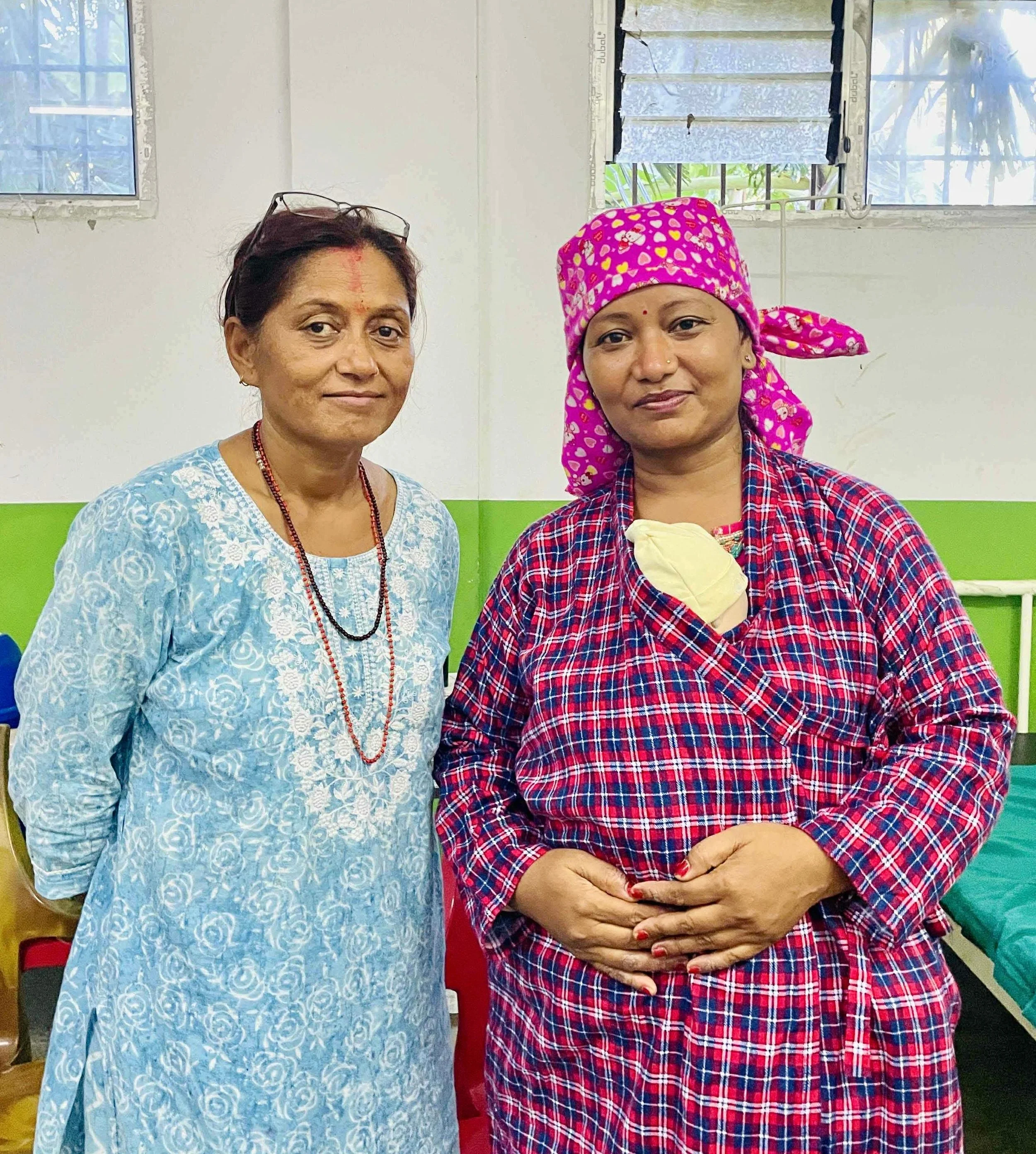

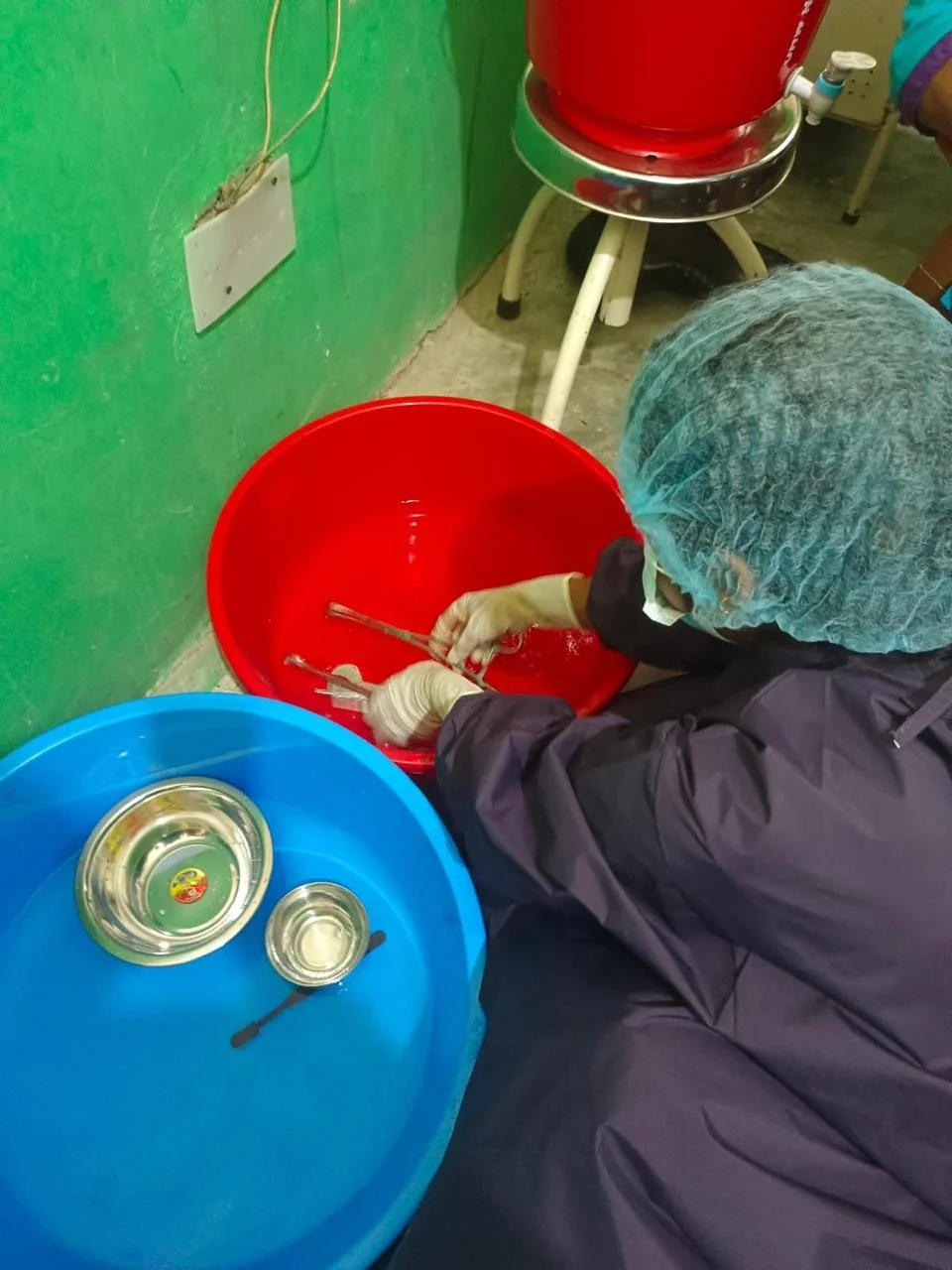
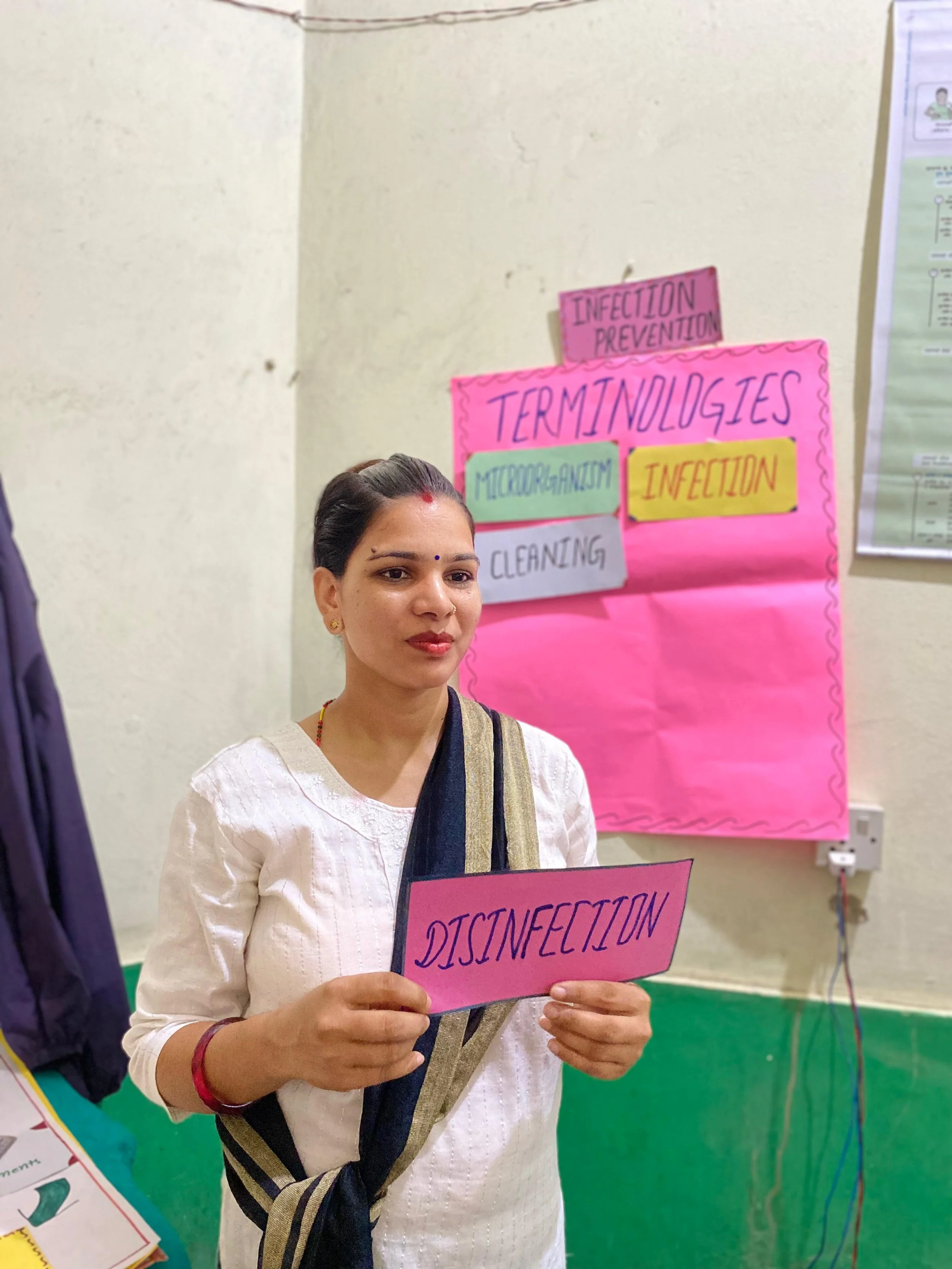

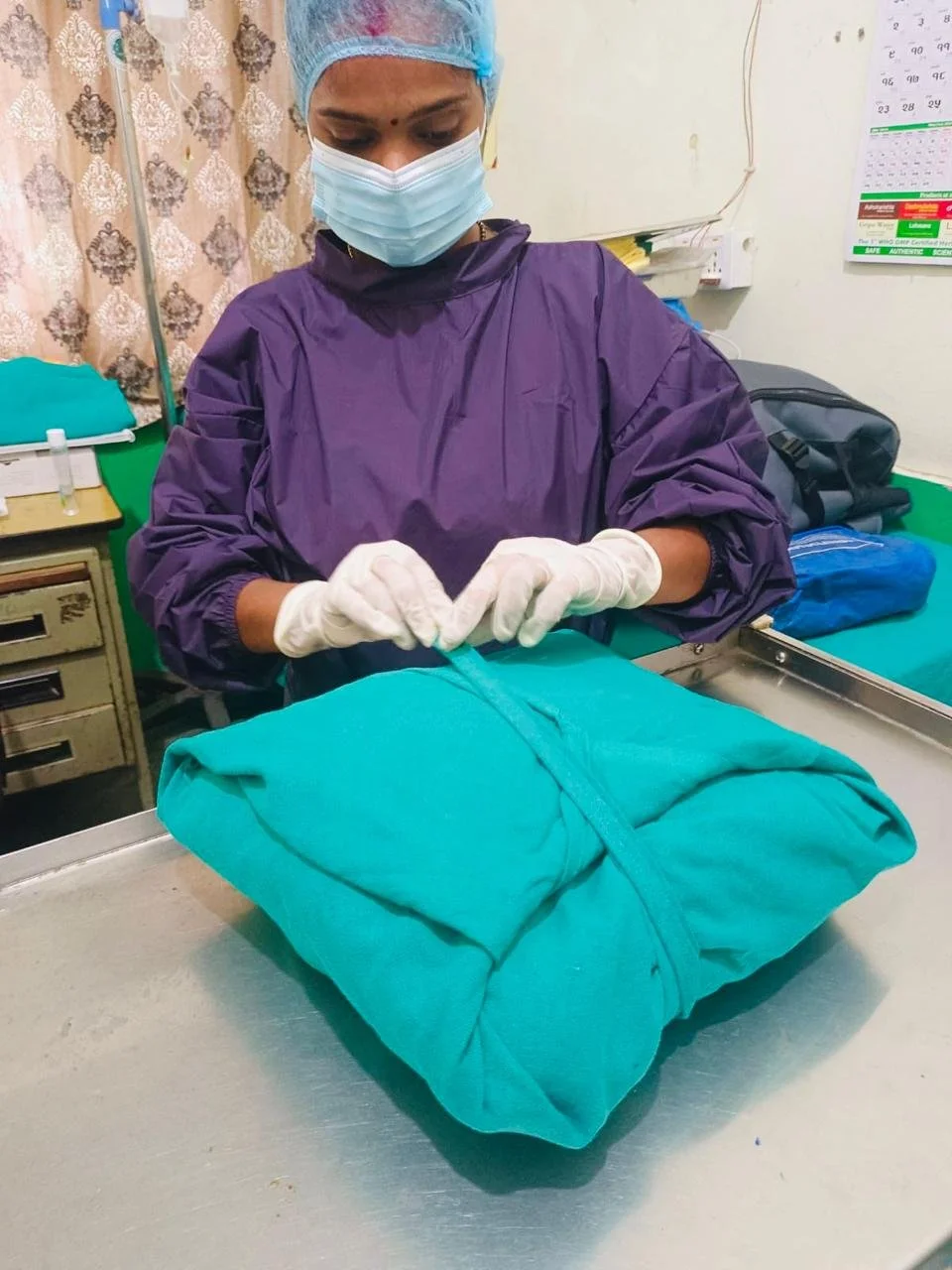
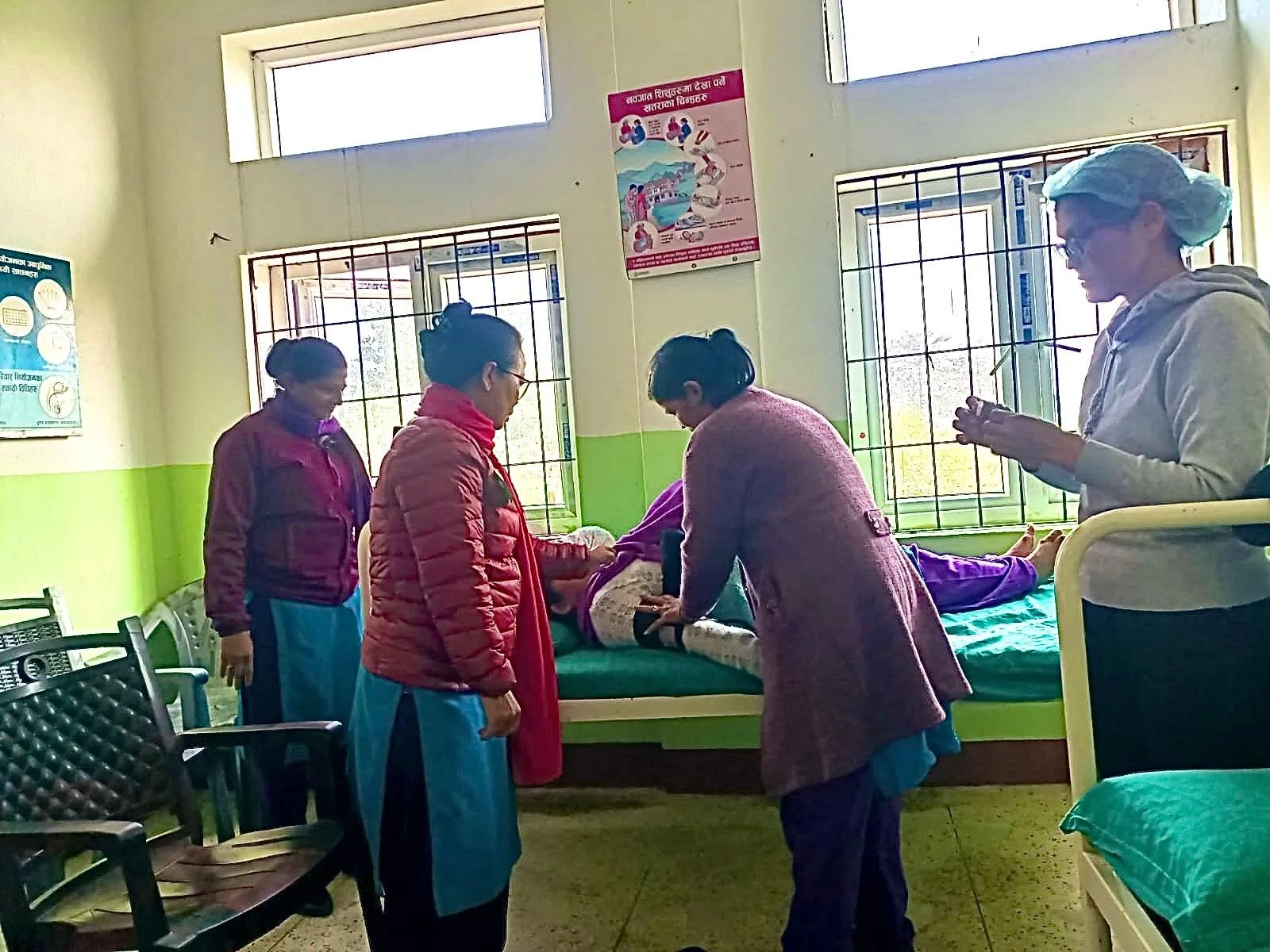
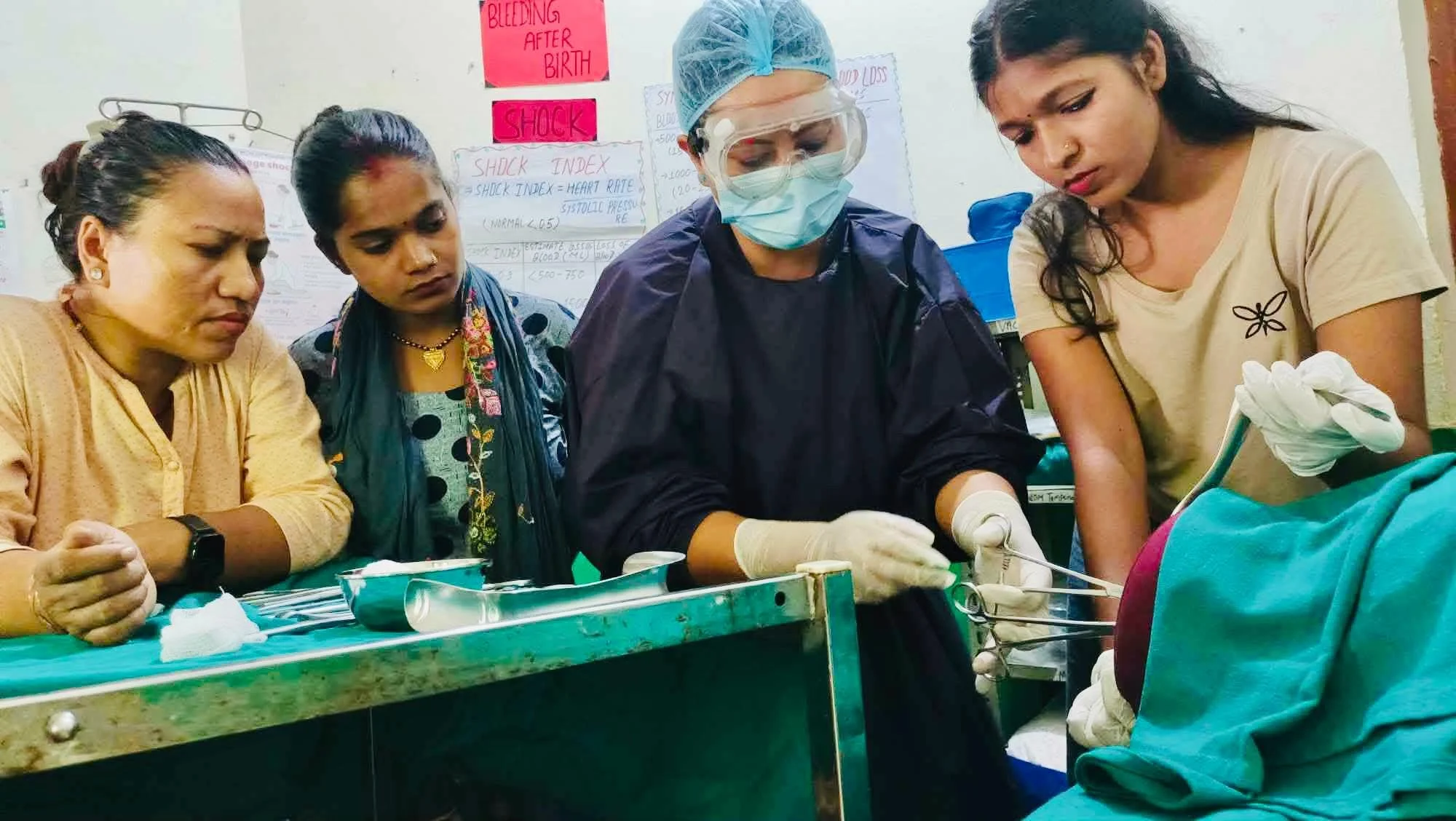
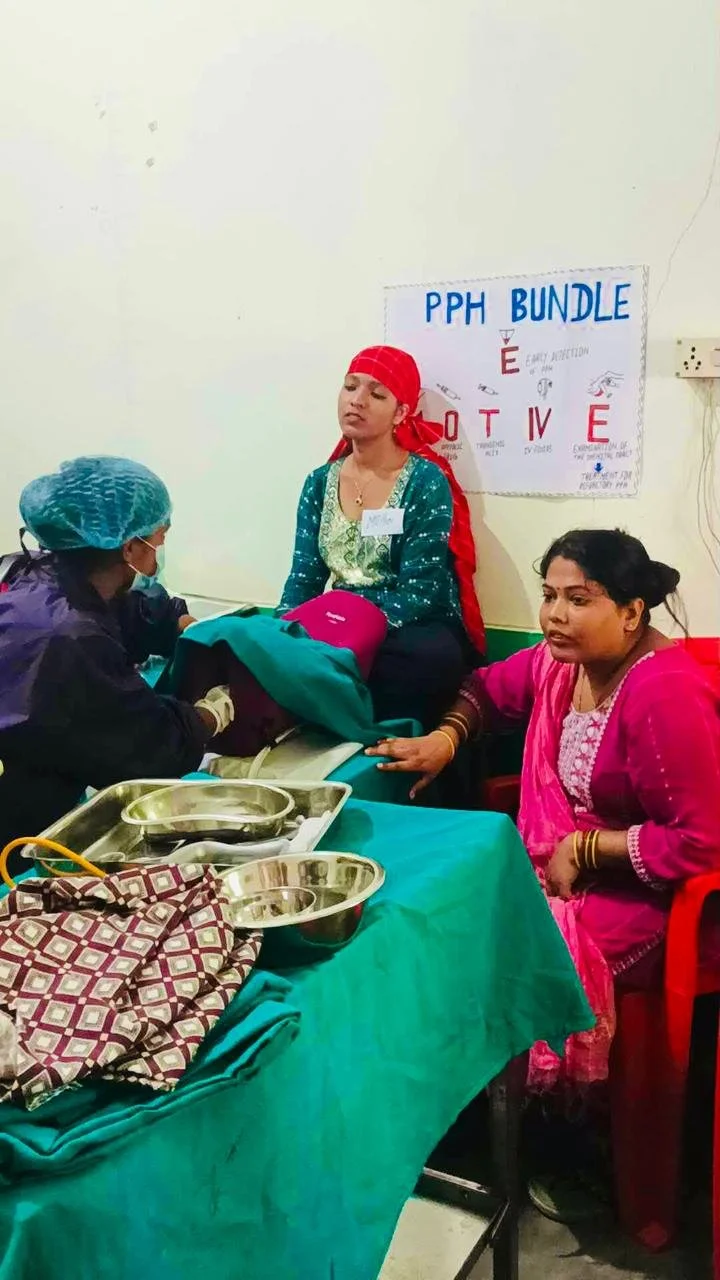
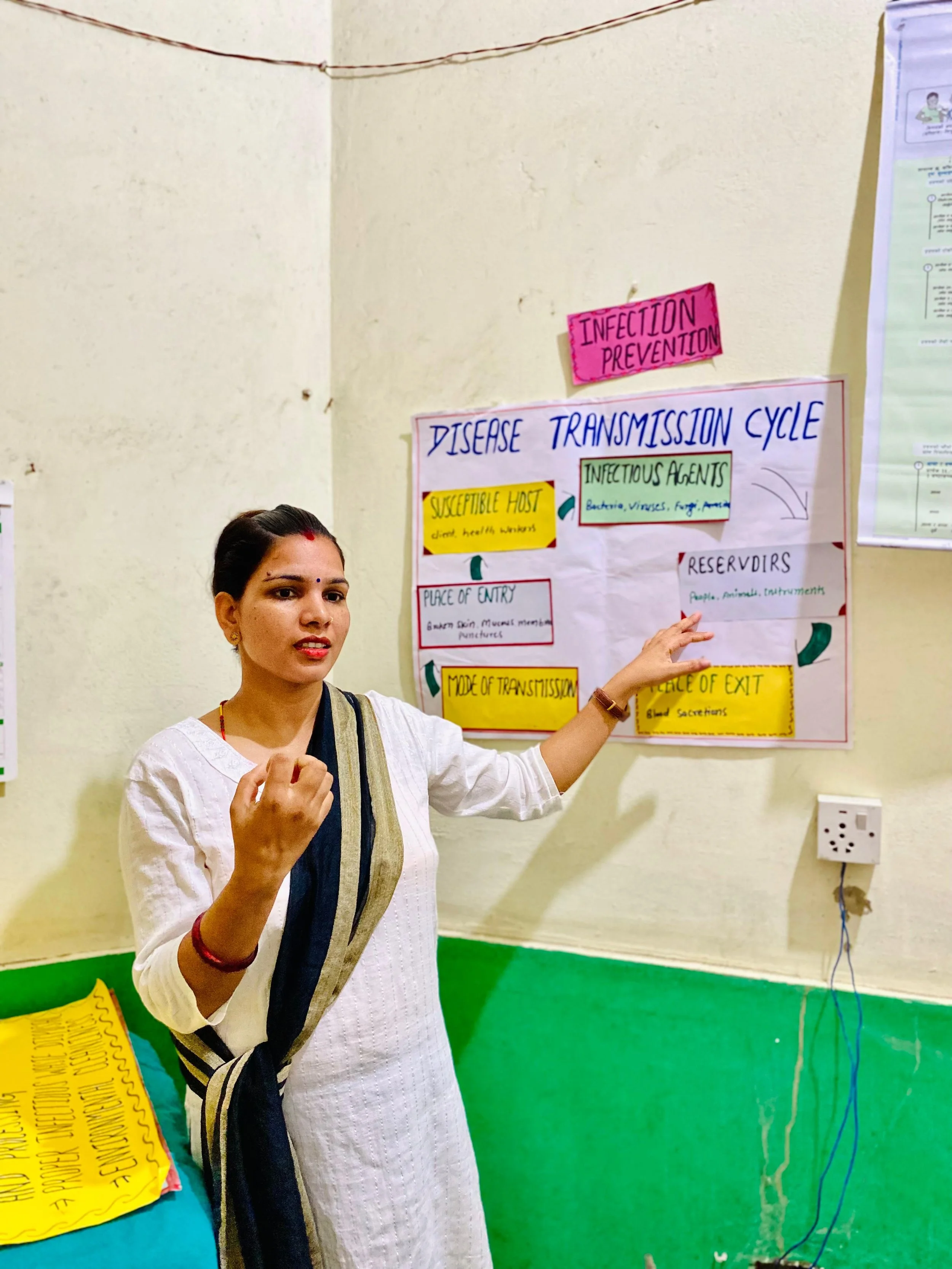
In April 2025, the Government of Nepal adopted the simulation-based training as the national standard for all new skilled birth attendants and skilled health personnel. That same month, Nepal’s first Maternal and Neonatal Health Simulation Lab opened at Paropakar Maternity and Women’s Hospital in Kathmandu. What Sapna experienced in Janakpur and Loharpati is now becoming the foundation of how every new provider in Nepal is trained.
—
Sita is a pseudonym used to protect the patient’s identity. Ms Sapna Sah is a nurse at Loharpati Primary Health Care Center in Mahottari District. Her story was documented by the program team based in Madhesh Province.
—
A safe birth should never depend on where a mother lives. One Heart Worldwide works alongside the Government of Nepal to ensure every mother and newborn has access to quality care. Learn more at oneheartworldwide.org.
One Heart Worldwide | Since 2010 | Making pregnancy safer in Nepal