

Our Commitment to Transparency
At One Heart Worldwide, we believe that trust is the foundation of meaningful impact.
Every decision we make, from how we collect data to how we spend donor dollars, is guided by our commitment to accountability. We are dedicated to being transparent about how funds are used, how we measure our progress, and how we share results with our partners, donors, and the communities we serve.

Financial Accountability
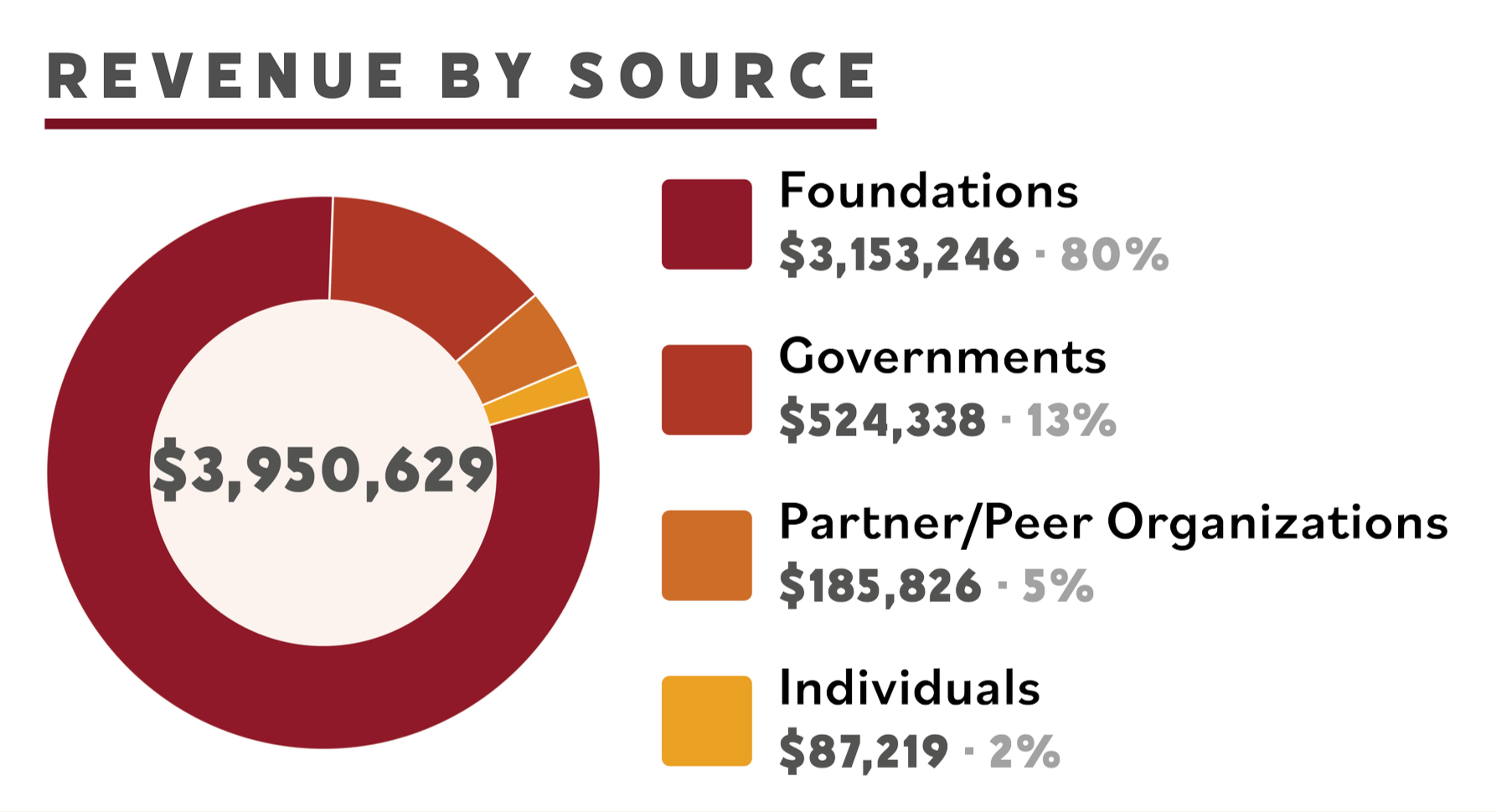
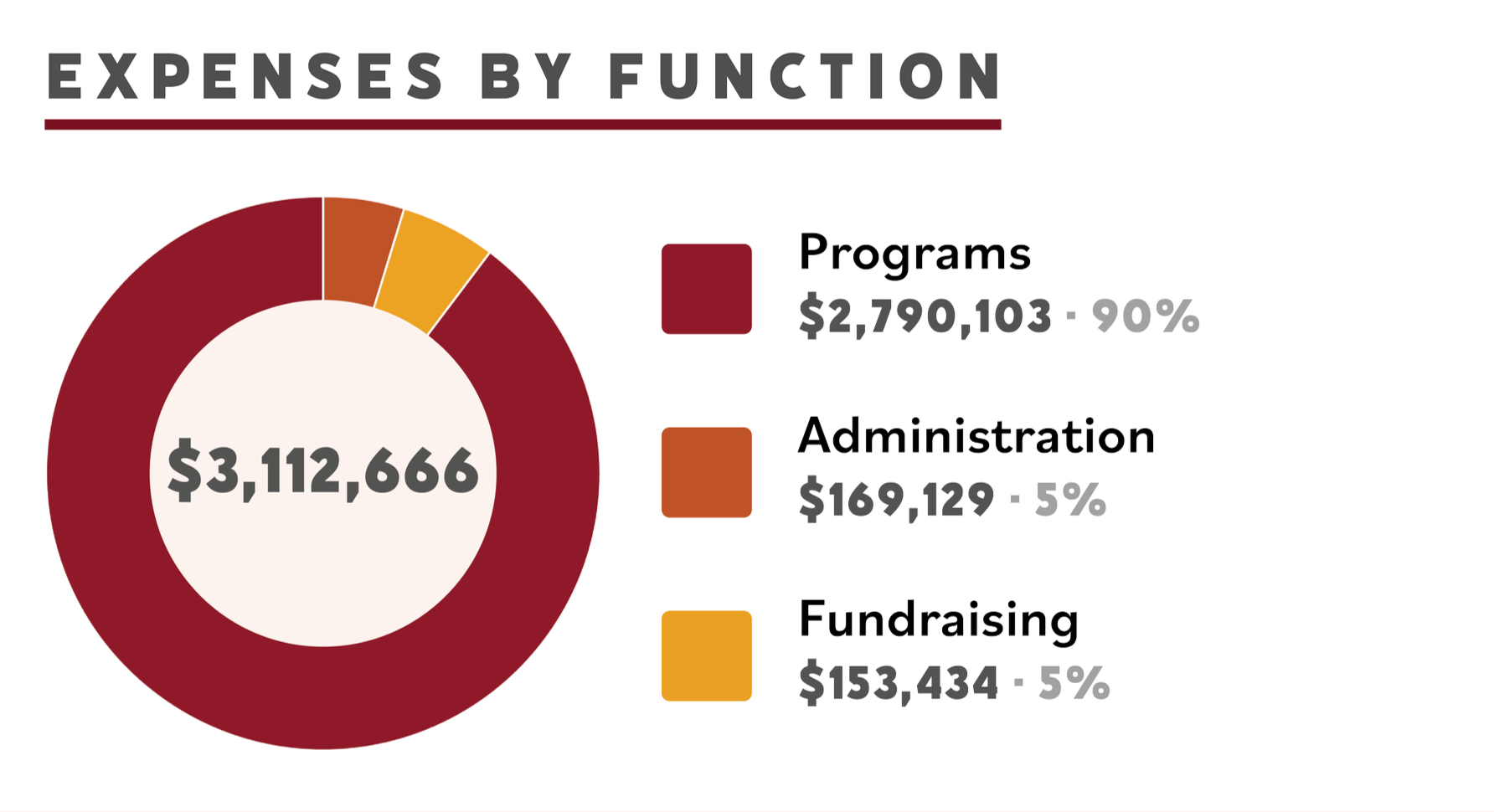
We are committed to the responsible stewardship of every dollar we receive. The large majority of every dollar raised goes directly into the programs that strengthen maternal and newborn health systems in Nepal.
90¢
of every $1 raised goes
directly into our programs
5.5%
of our total program expenses
were covered by our government partners
Our model is also designed to stretch every dollar further. Through cost-sharing partnerships with local governments, we ensure that our program investments are matched by the communities and governments we serve, building local ownership and extending our impact beyond what donor funding alone could achieve.

View Our Latest Reports
All financial records, both in Nepal and the United States, undergo annual independent audits.
Governance and Ethical Standards
Our Co-CEO leadership model ensures shared decision-making and prioritizes local leadership in all major strategic and financial decisions. We also maintain an active Board of Directors and advisory boards to provide oversight, ensure regulatory compliance, and guide strategic planning.
We have several internal policies designed to ensure ethical practices. These include, but are not limited to:

-
-
-
Last updated: February 13, 2024
Purpose
One Heart Worldwide “OHW” and the United States Government prohibit trafficking in persons. The U.S. Government's policy prohibiting trafficking in persons is available at 48 CFR § 52.222-50 and is summarized below under the heading: "Summary of U.S. Government Policy of Prohibiting Trafficking in Persons." OHW is committed to a work environment that is free from human trafficking and slavery, which for purposes of this policy includes forced labor and unlawful child labor. OHW will not tolerate or condone human trafficking or slavery in any part of our global organization. OHW employees, subsidiaries, contractors, subcontractors, vendors, suppliers, partners and others through whom OHW conducts business must avoid complicity in any practice that constitutes trafficking in persons or slavery.
Scope
This policy applies to all personnel employed by or engaged to provide services to OHW, including, but not limited to, employees, officers, and temporary employees of OHW and OHW's U.S. and international subsidiaries, and independent contractors (for ease of reference throughout this policy, "employees"). This policy will be made available to all OHW employees.
Every employee is responsible for reading, understanding and complying with this policy. OHW managers are responsible for ensuring that employees who report to them, directly or indirectly, comply with this policy and complete any certification or training required of them. If you have any questions or concerns relating to this policy, consult the OHW legal or human resources department.
Procedures
Employees must report any conduct that they believe to be a violation of this policy to their supervisor, their supervisor’s supervisor, the Executive Director, the COO, the CEO, and/or the Board of Directors as appropriate. Employees who fail to report actual or suspected misconduct may be deemed in violation of this policy. Employees may also call the Global Human Trafficking Hotline at +1-844-888-3733 using phones in the OHW office or email help@befree.org.
Disciplinary Actions
OHW will not tolerate retaliation against an employee for reporting a concern in good faith or for cooperating with a compliance investigation, even when no evidence is found to substantiate the report. Any violation of this policy may be grounds for disciplinary action, up to and including termination. OHW and its subsidiaries have the exclusive right to interpret this policy regarding their respective employees. Violation of the U.S. Government's policy against human trafficking may also result in criminal prosecution of responsible individuals.
Summary of U.S. Government Policy of Prohibiting Trafficking in Persons
U.S. Government policy prohibits trafficking in persons and slavery. Government contractors and their employees, subcontractors, subcontractor employees, and agents must not engage in any practice that constitutes trafficking in persons or slavery. This includes, but is not limited to, the following activities:
Engaging in any form of trafficking in persons (as defined in the Protocol to Prevent,
Suppress, and Punish Trafficking in Persons, especially Women and Children, supplementing the UN Convention against Transnational Organized Crime)
Procuring commercial sex acts.
Using forced labor in the performance of any work.
Destroying, concealing, confiscating, or otherwise denying access by an employee to the employee's identity or immigration documents, such as passports or drivers' licenses, regardless of issuing authority.
Using misleading or fraudulent practices during the recruitment of employees or offering of employment/contract positions, such as failing to disclose, in a format and language understood by the employee or applicant, basic information; or making material misrepresentations during the recruitment of employees regarding the key terms and conditions of employment, including wages and fringe benefits, the location of work, the living conditions, housing, and associated costs (if provided by the employer or agent), any significant cost to be charged to the employee or applicant, and, if applicable, the hazardous nature of the work.
Using recruiters that do not comply with local labor laws of the country in which the recruiting takes place.
Charging applicants recruitment fees.
If required by law or contract, failing to provide return transportation or failing to pay for the cost of return transportation upon the end of employment.
If required by law or contract, failing to provide or arrange housing that meets the host country housing and safety standards.
If required by law or contract, failing to provide an employment contract, recruitment agreement, or other required work document in writing with legally required information and in a language the employee understands.
Recruitment and Wage Plan
To recruit employees or contractors to work on behalf of One Heart Worldwide, only recruitment companies with trained employees may be used. It is prohibited to charge recruitment fees to the employee or contractor. OHW will take steps to ensure that wages meet applicable legal requirements in Nepal, or explain any variance.
Housing Plan
Should the requirements of the role that an employee or contractor is hired for require that OHW provides or arranges housing for the employee or contractor, this housing will meet all housing and safety standards as stipulated by Nepali law.
-
-
-
One Heart Worldwide has utilized audited information to calculate an Indirect Cost Rate (ICR) for the purposes of project costing. The ICR is calculated by dividing indirect costs by direct program costs. Indirect costs should be "reasonable", "allocable," and "allowable" that support the organization in its running of program operations.
The following methodology details the process of determining the ICR:
Starting with audited operating financial information and grouped accounts serving similar functions.
Personnel expenses - Personnel costs are classified into three categories of direct, indirect, and excluded costs, based on management’s estimates of time spent by employees, space utilization, or other rational bases.
Direct Costs – Utilizing audited financial information, such as Program Expenses, Office Expenses, Travel, and Other Direct Costs, and utilizing the amount of staff costs allocable to direct costs.
Factoring in Indirect Costs - These relate to overhead items that support the organization but may not be linked to direct programs. Items such as office expenses, accounting services, and software subscriptions that are integral but hard to allocate to direct are included. Calculations for indirect costs were determined by using audited financials for items such as travel, meals, professional services, office expenses, fees, subscriptions, and IT equipment. One Heart Worldwide’s budgeted spending includes no distorting 1-time costs. All indirect costs are allowable per FAR 31, and no indirect costs are charged directly.
Excluded Costs - Not all non-direct costs are considered indirect and thus are excluded from the ICR calculation. Such activities could include functions such as fundraising, business development or entertainment.
Calculating the Rate - Once the above are captured and classed in their appropriate categories, the total indirect cost is divided by the direct cost base.
2020-2023 YTD Indirect Cost Rate: Link