
Strengthening Maternal and Newborn Care Through Coaching and Mentorship
Over the past decade, Nepal has made significant progress in increasing access to facility-based childbirth. Maternal mortality in Nepal dropped from 349 to 151 per 100,000 live births since 2010. However, neonatal mortality has stagnated at 21 per 1,000 live births, which puts progress toward the 2030 Sustainable Development Goal at risk.
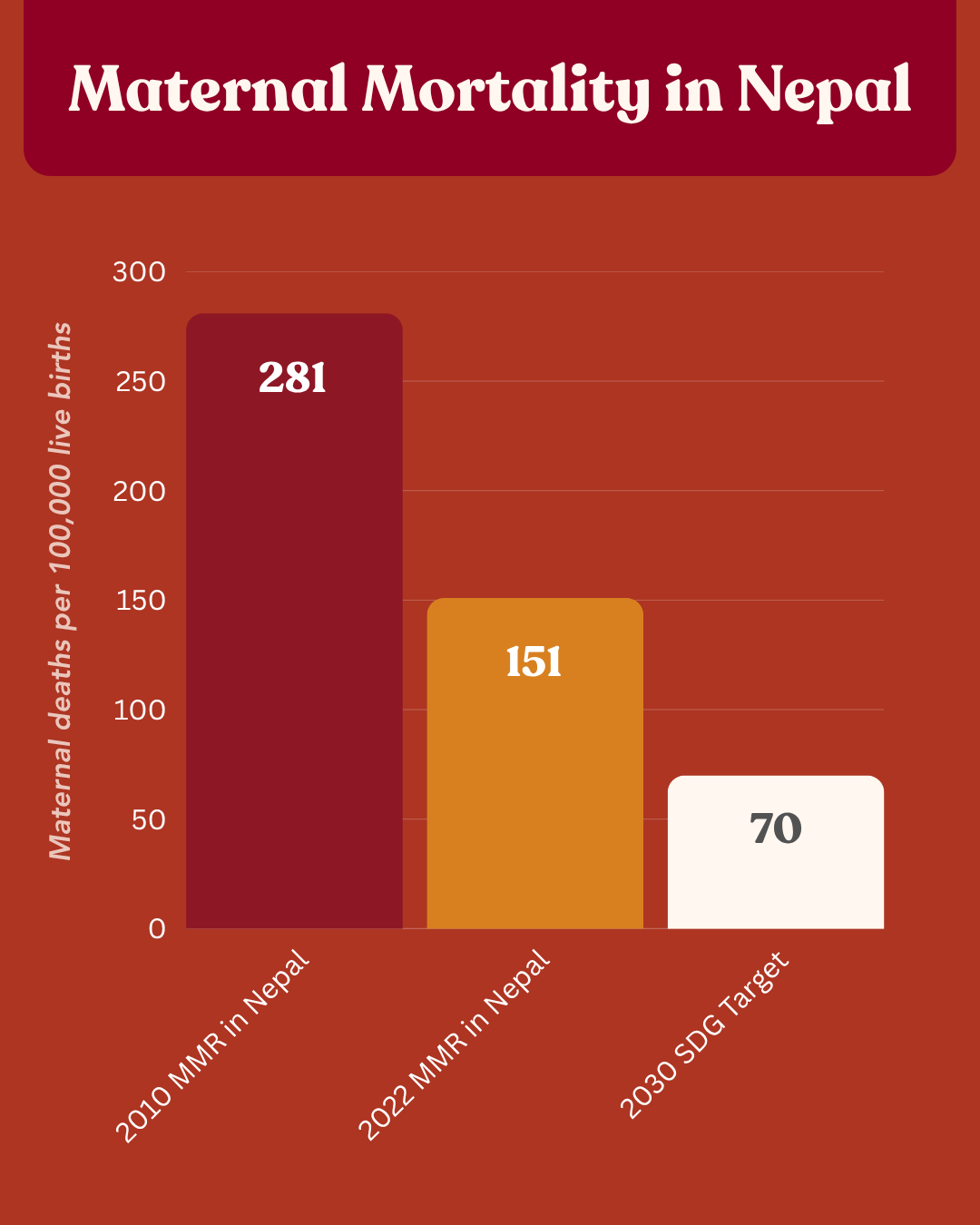
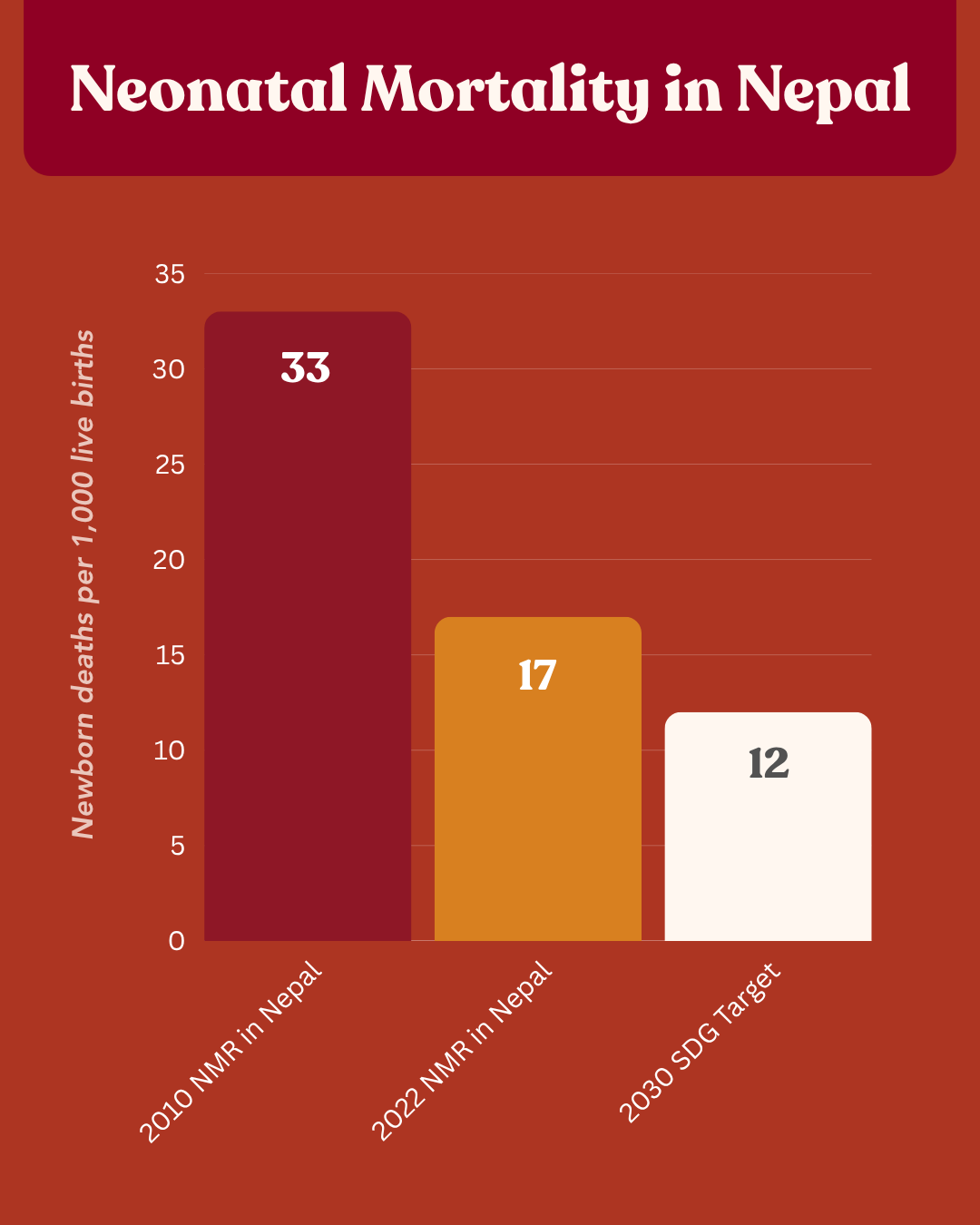
This gap highlights a critical truth: access alone is not enough. The quality of care provided in health facilities and the ongoing support health workers receive are essential to saving lives.
To address this challenge, the Government of Nepal launched the Safe Motherhood and Newborn Health Roadmap 2030 (sets national goals) and the Skilled Health Personnel and Skilled Birth Attendant (SHP/SBA) Strategy 2020–2025 (focuses on workforce skills) in 2019. These national initiatives place renewed emphasis on strengthening clinical quality and improving health worker competency, ensuring that skills learned during training are retained and applied in real-world settings.
A New National Approach to Training
One major outcome of these efforts was the launch of a new SHP/SBA modular training package in April 2025. Developed through years of technical collaboration and alignment with government priorities, the program brings together contributions from the Ministry of Health and Population, UNICEF, WHO, Nick Simons Institute, Green Tara Nepal, and One Heart Worldwide.
The modular training package is designed to respond to the diverse roles and responsibilities of health workers across Nepal. It includes multiple modules ranging from five to twenty days, covering foundational maternal and newborn healthcare, emergency obstetric first aid, physiological birth, and the identification and management of complications. Each module is tailored to specific cadres, including auxiliary nurse midwives, staff nurses, doctors, and paramedics, based on the level of care they provide.
Since the initial phase of revising and piloting this national training package, One Heart Worldwide has supported the Government of Nepal not only in strengthening classroom-based training, but also in addressing a crucial next step: what happens after formal training ends.
Turning Training Into from Lifesaving Practice
Training alone does not guarantee sustained competency. Without ongoing support, practice opportunities, and constructive feedback, clinical skills can decline over time. Evidence shows that on-site coaching and mentoring are among the most effective ways to help health workers retain skills, build confidence, and consistently deliver high-quality care.
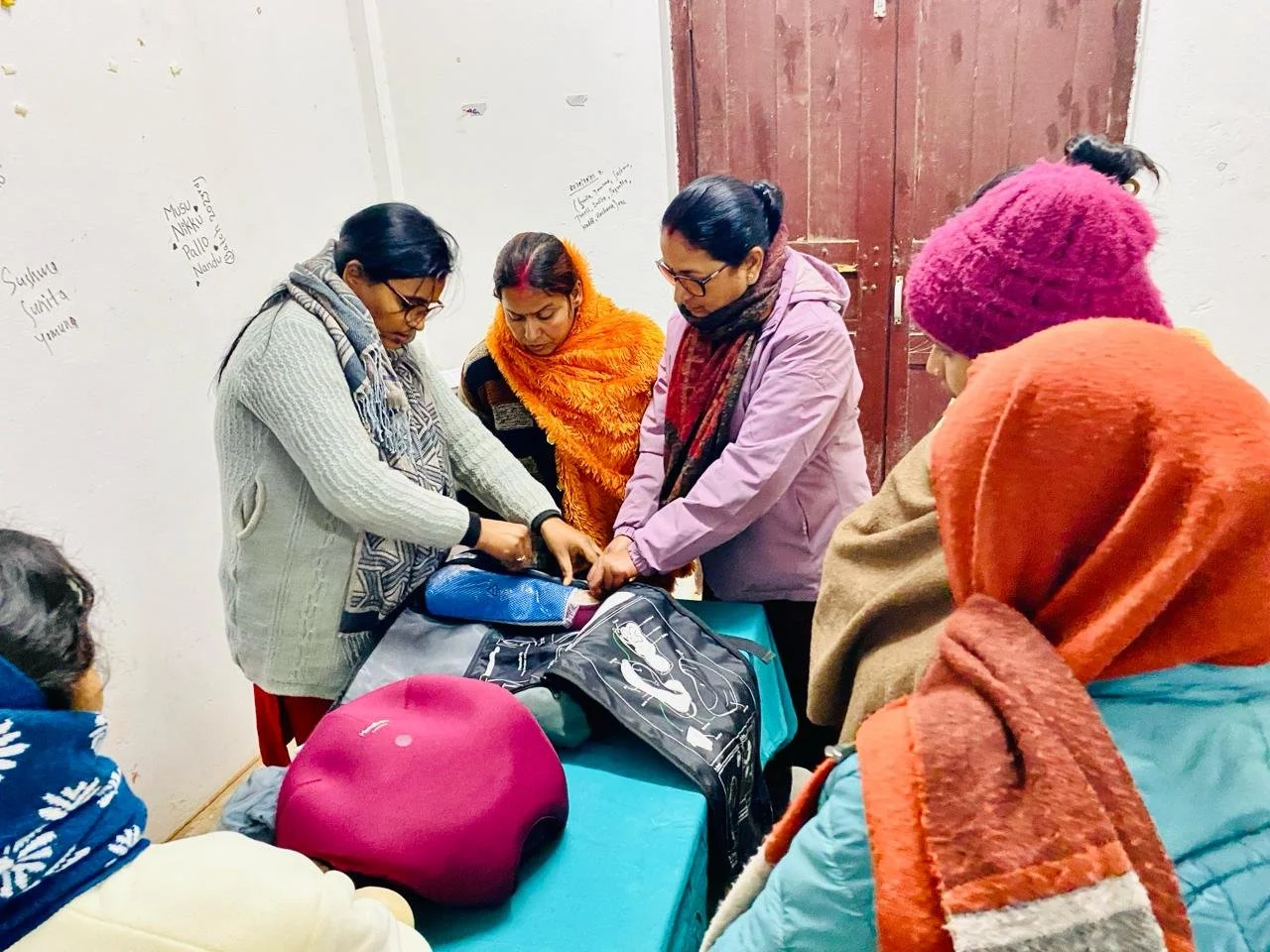
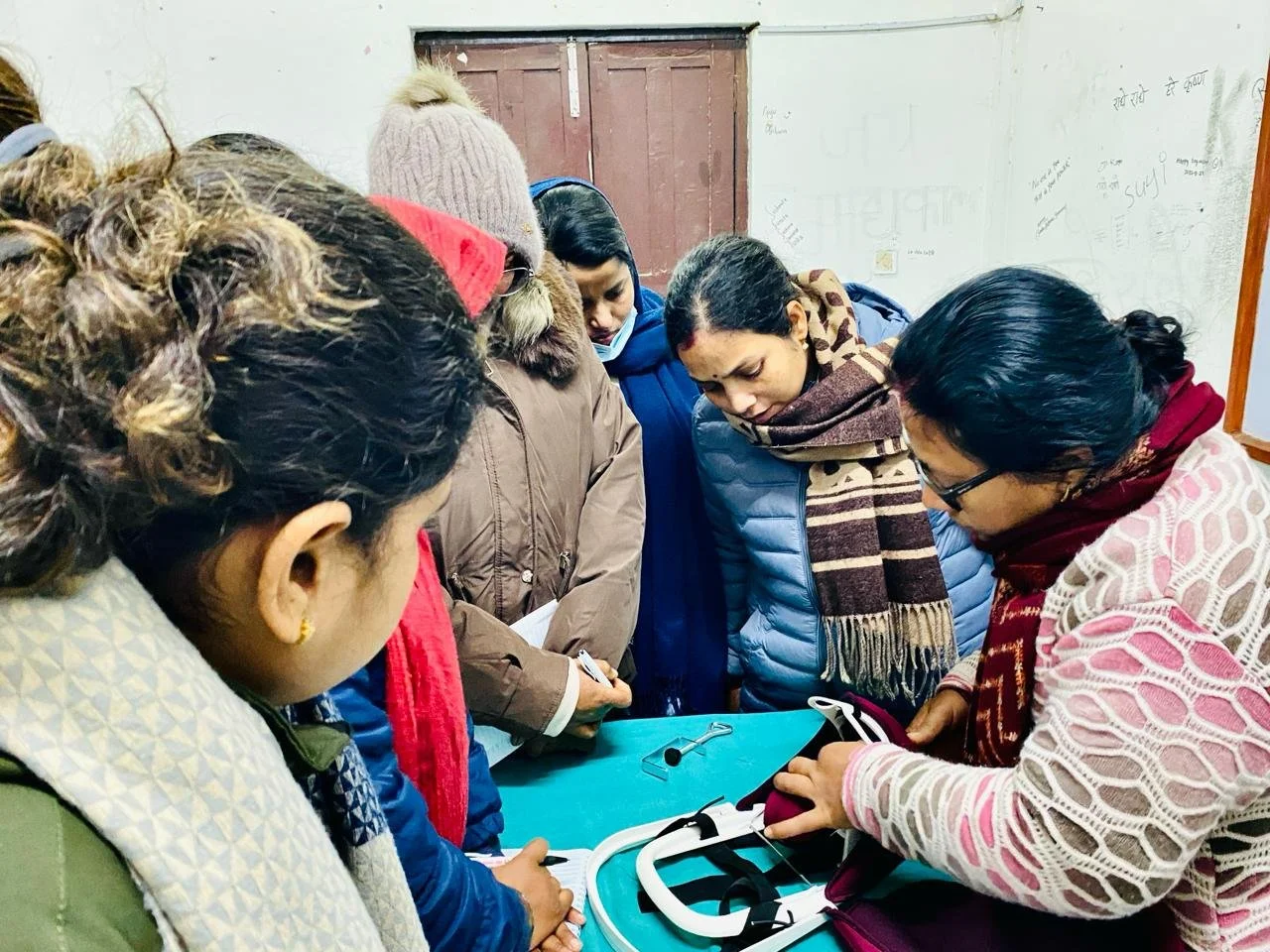
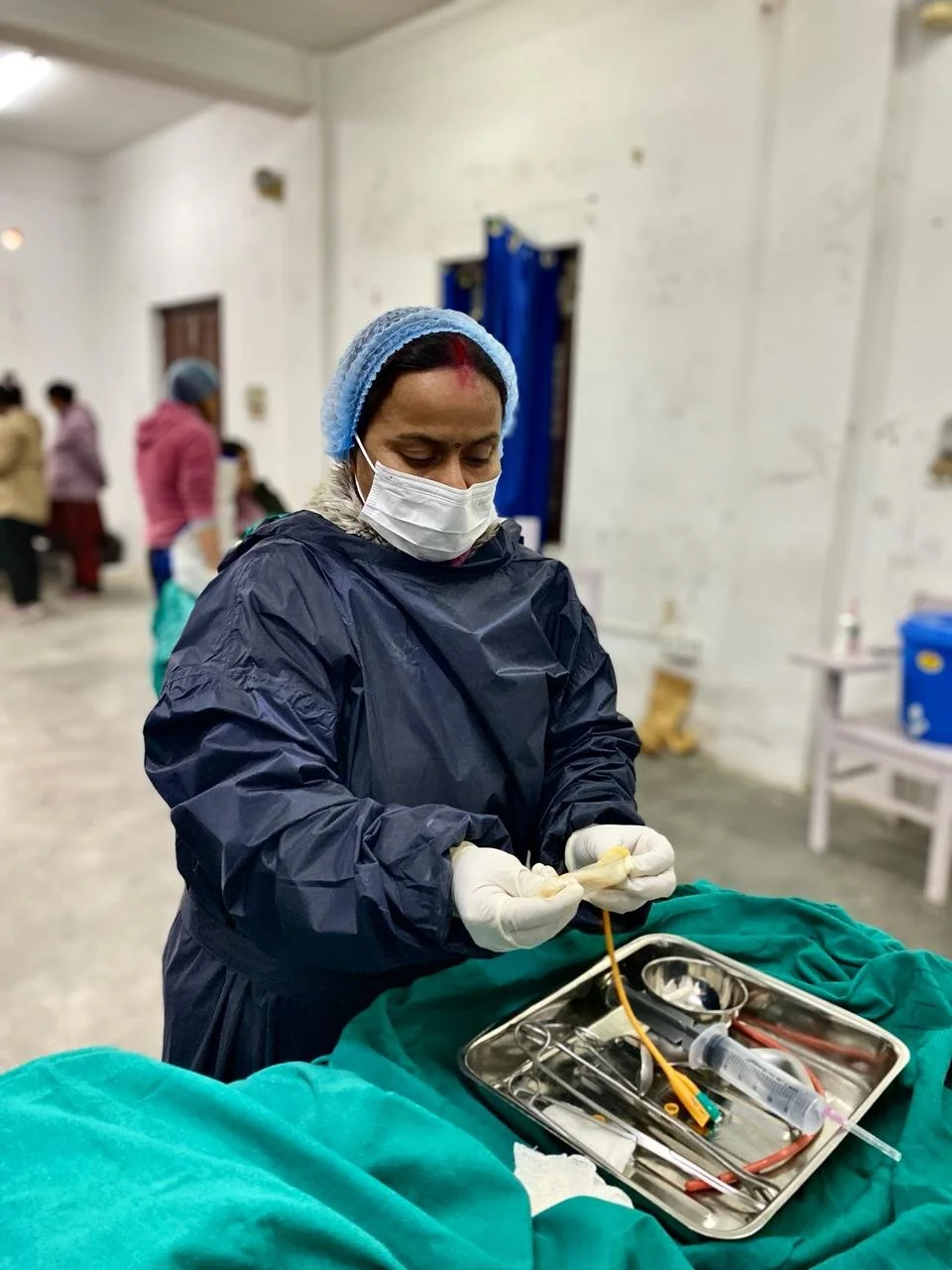
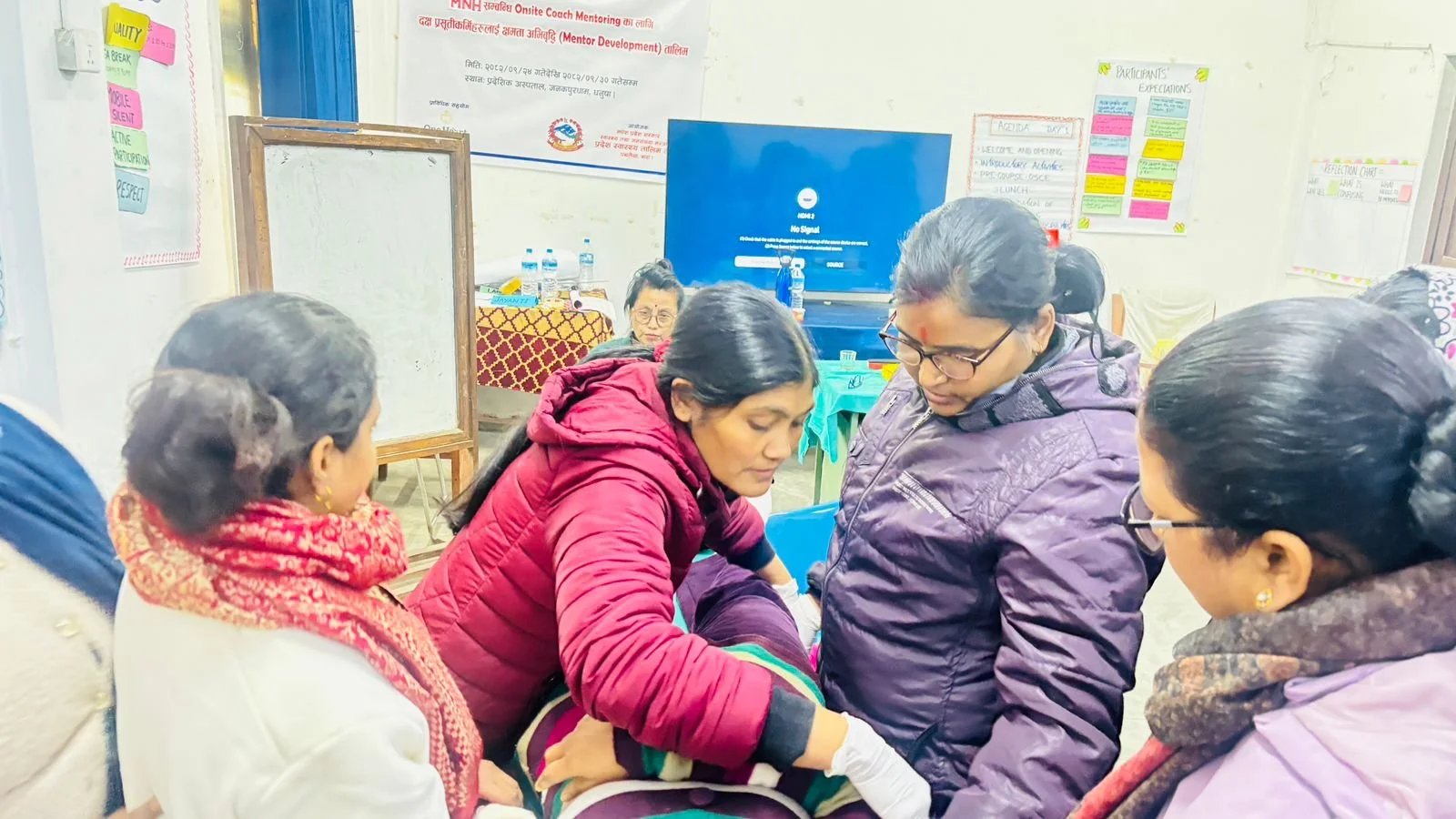
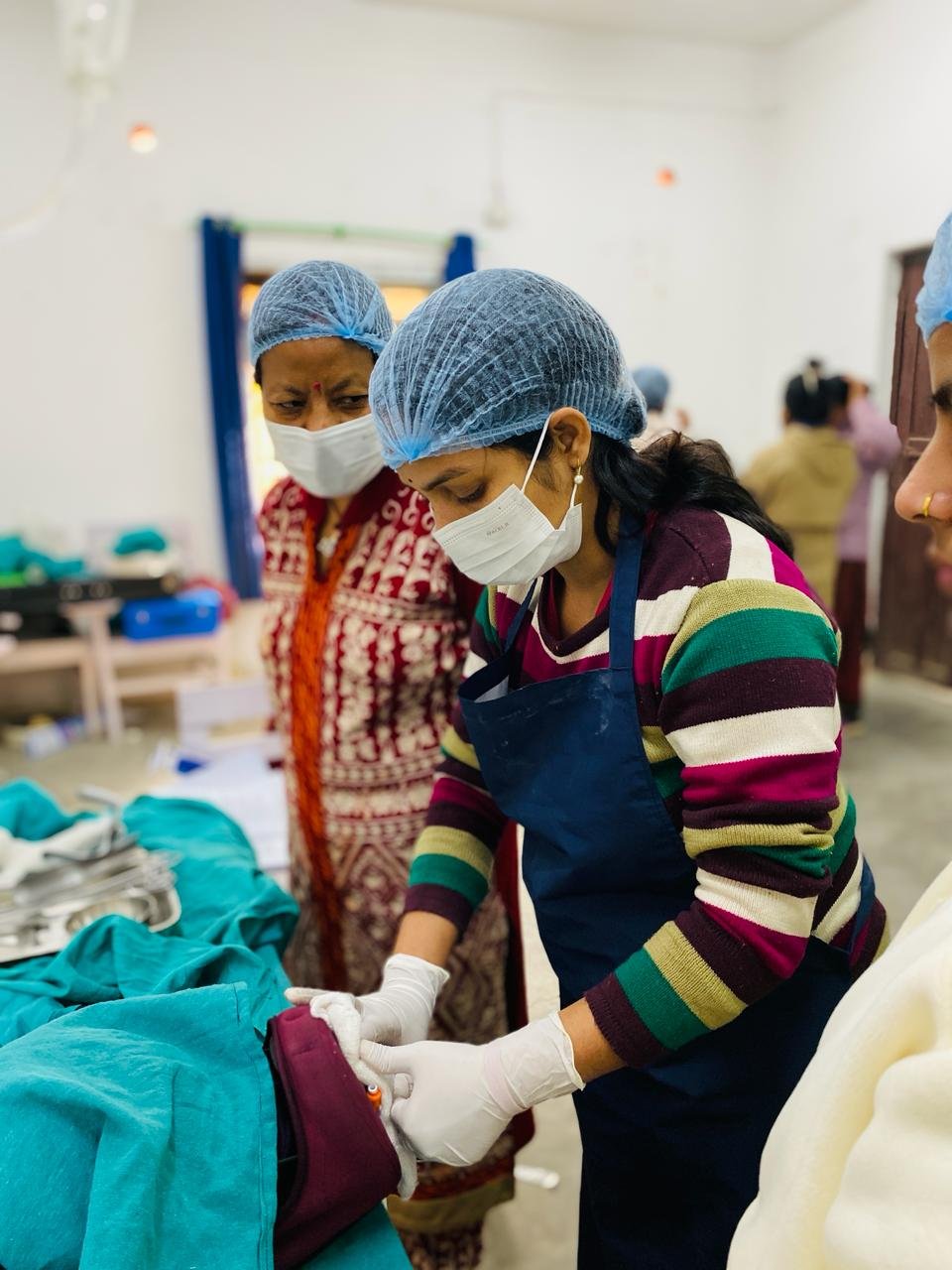
In alignment with the updated SHP and SBA curriculum, One Heart Worldwide has supported the Family Welfare Division to revise the on-site coaching and mentoring training package for maternal and newborn health. A core focus of this revision was integrating simulation-based education, a hands-on approach that enables providers to practice clinical scenarios in realistic, supportive learning environments.
Piloting Mentor Development in Madhesh Province
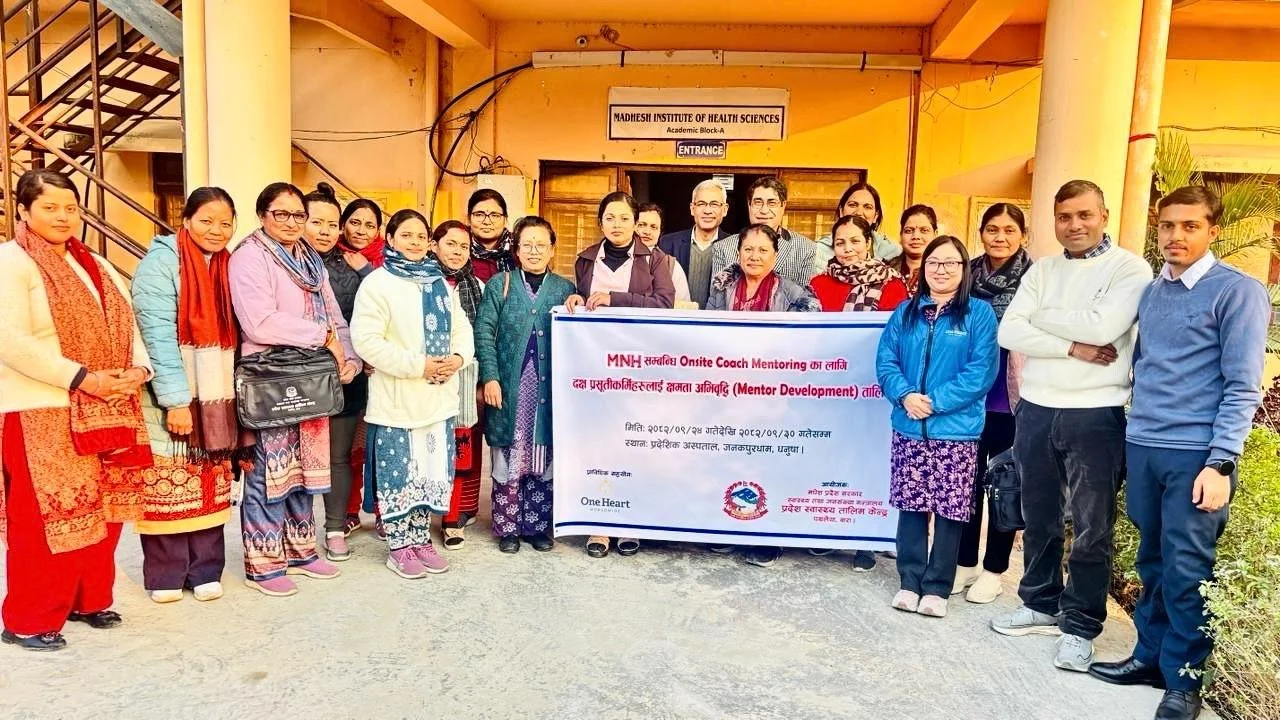
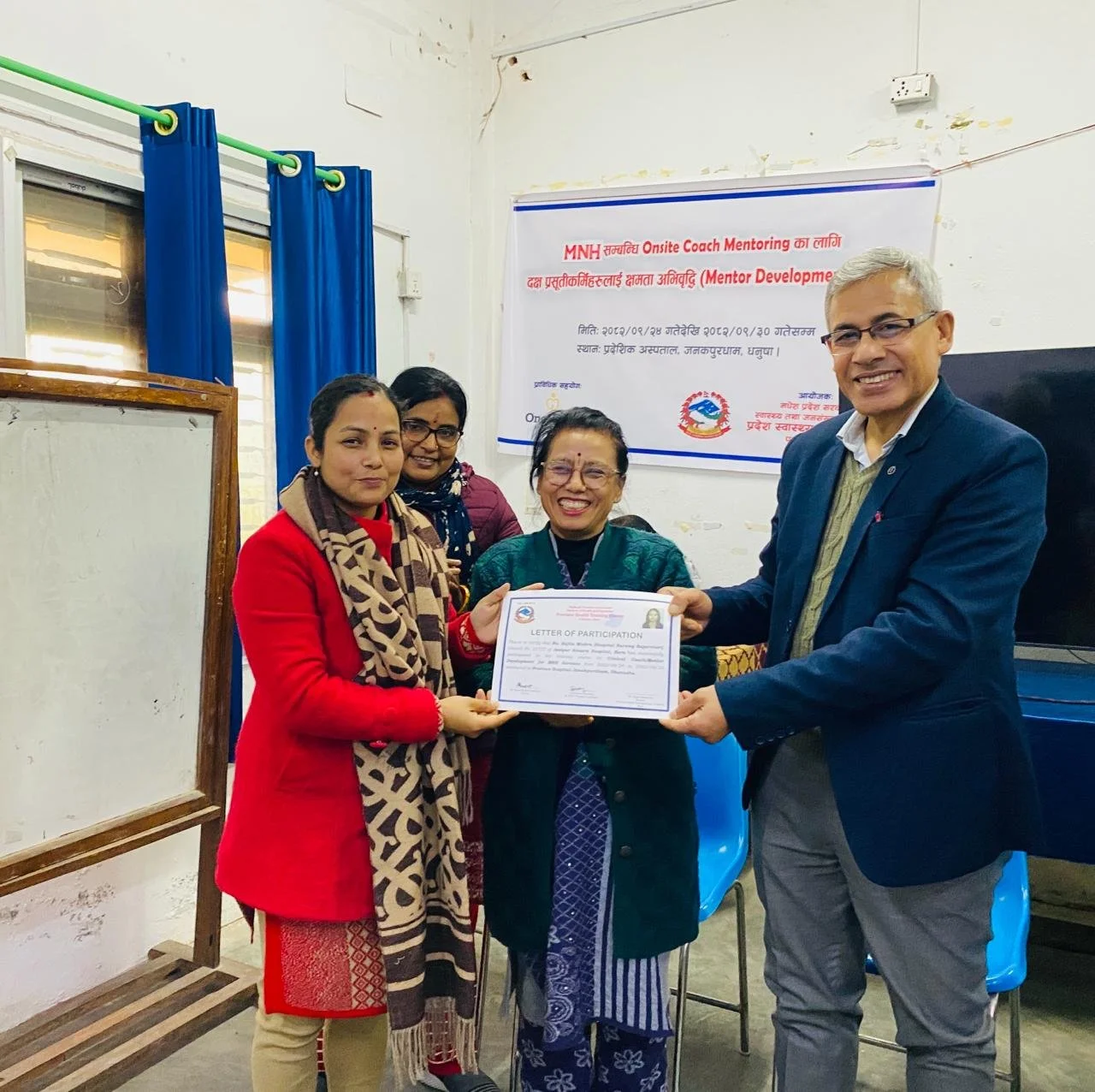
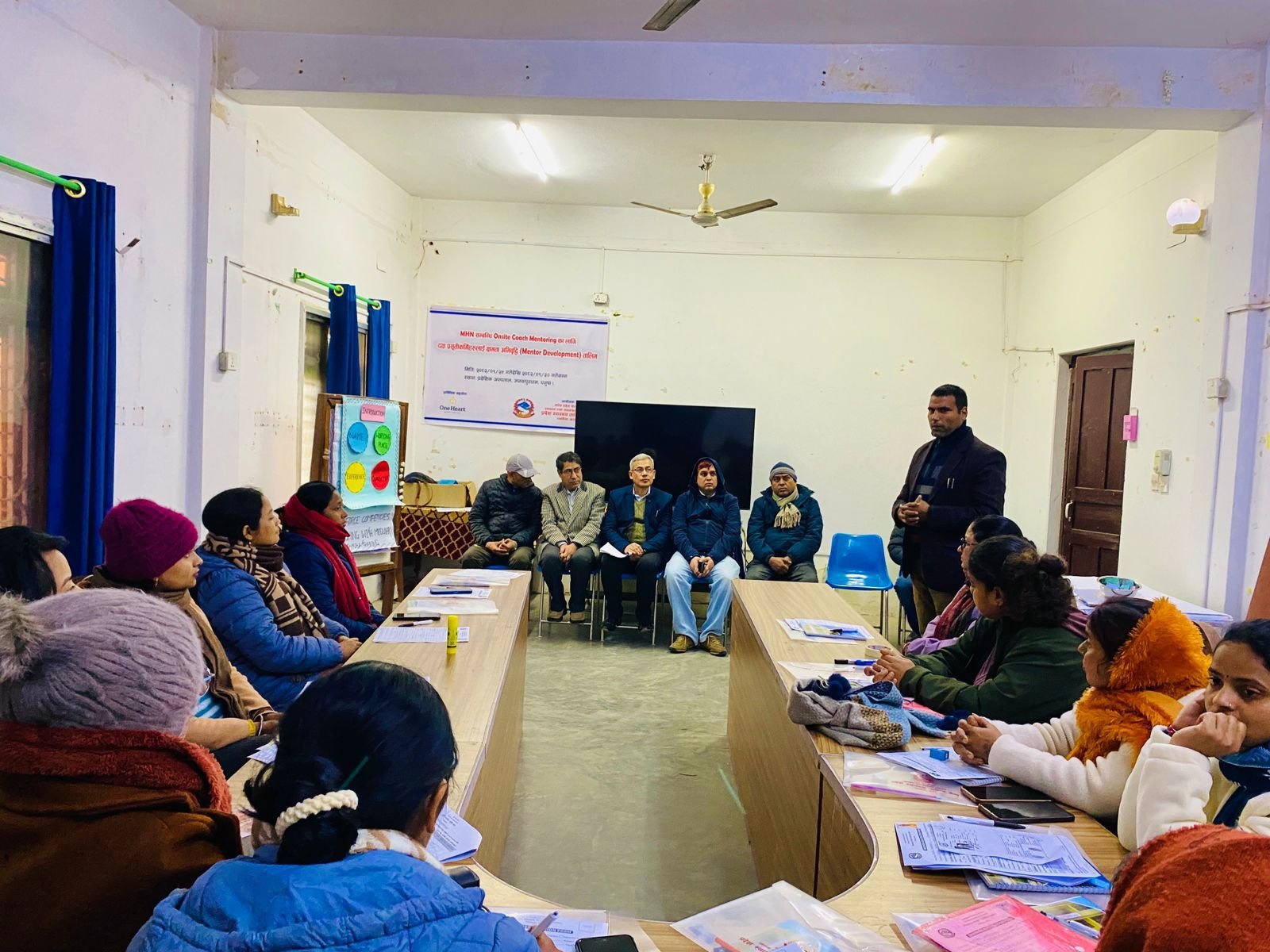
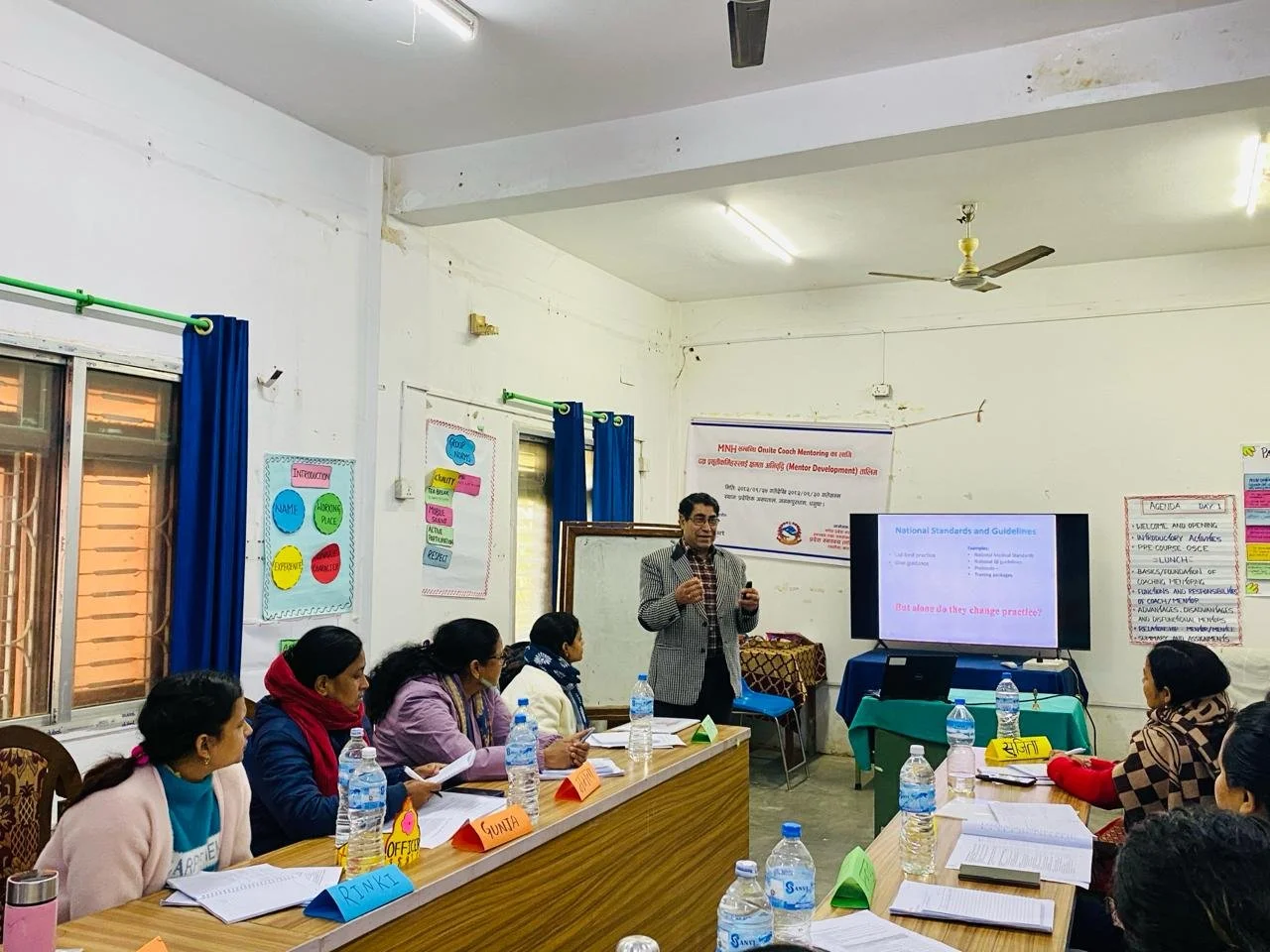
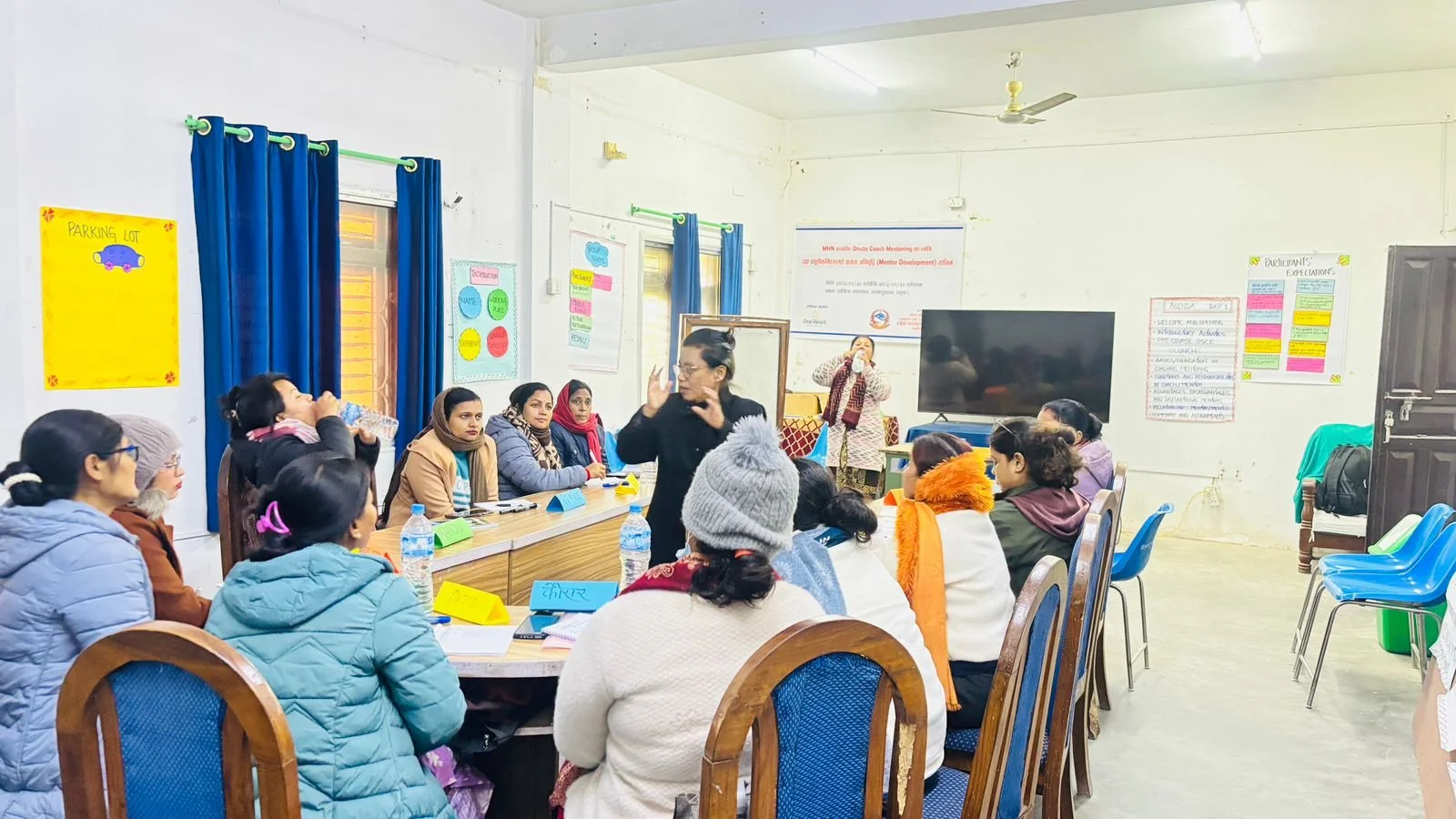
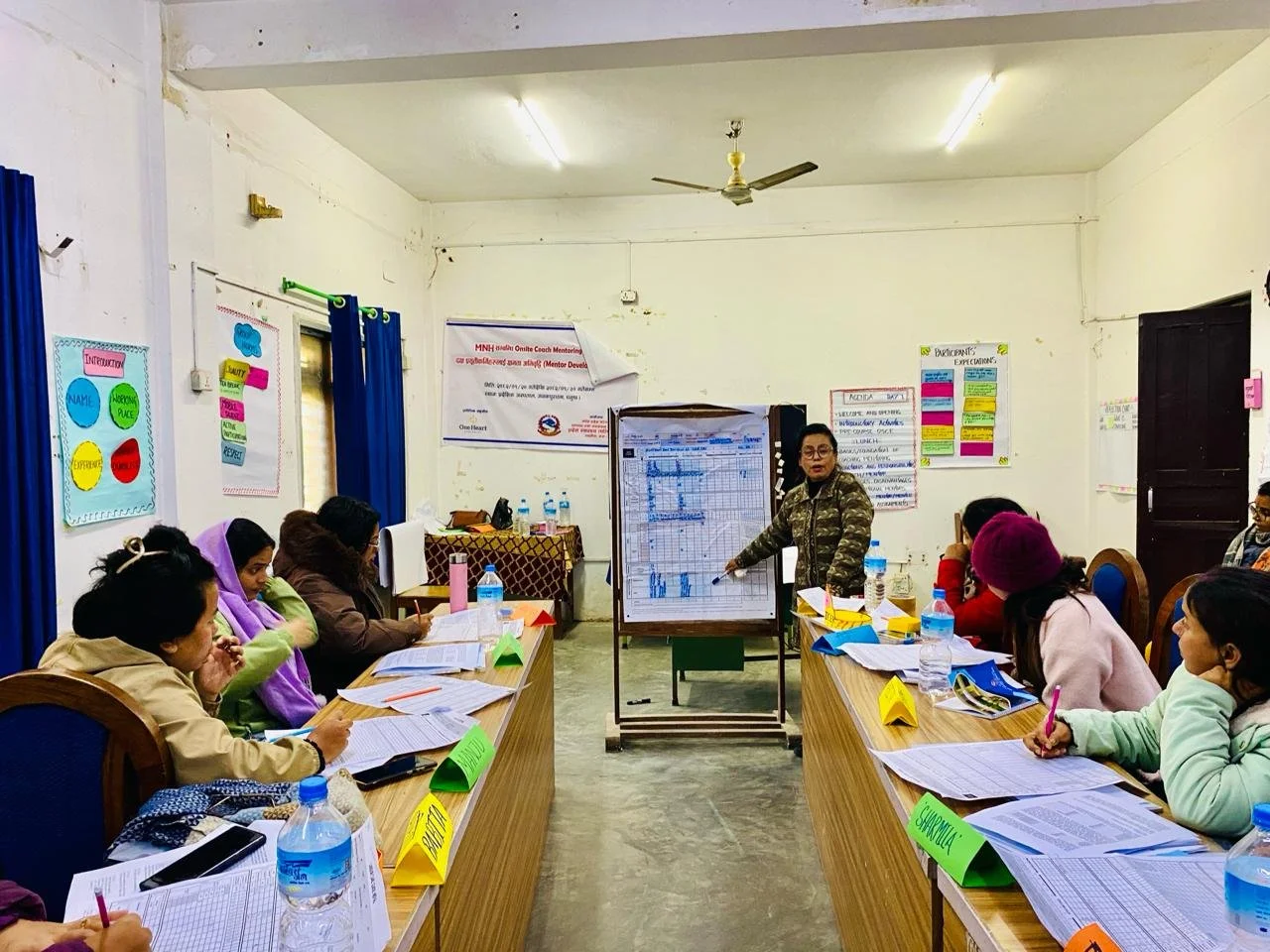
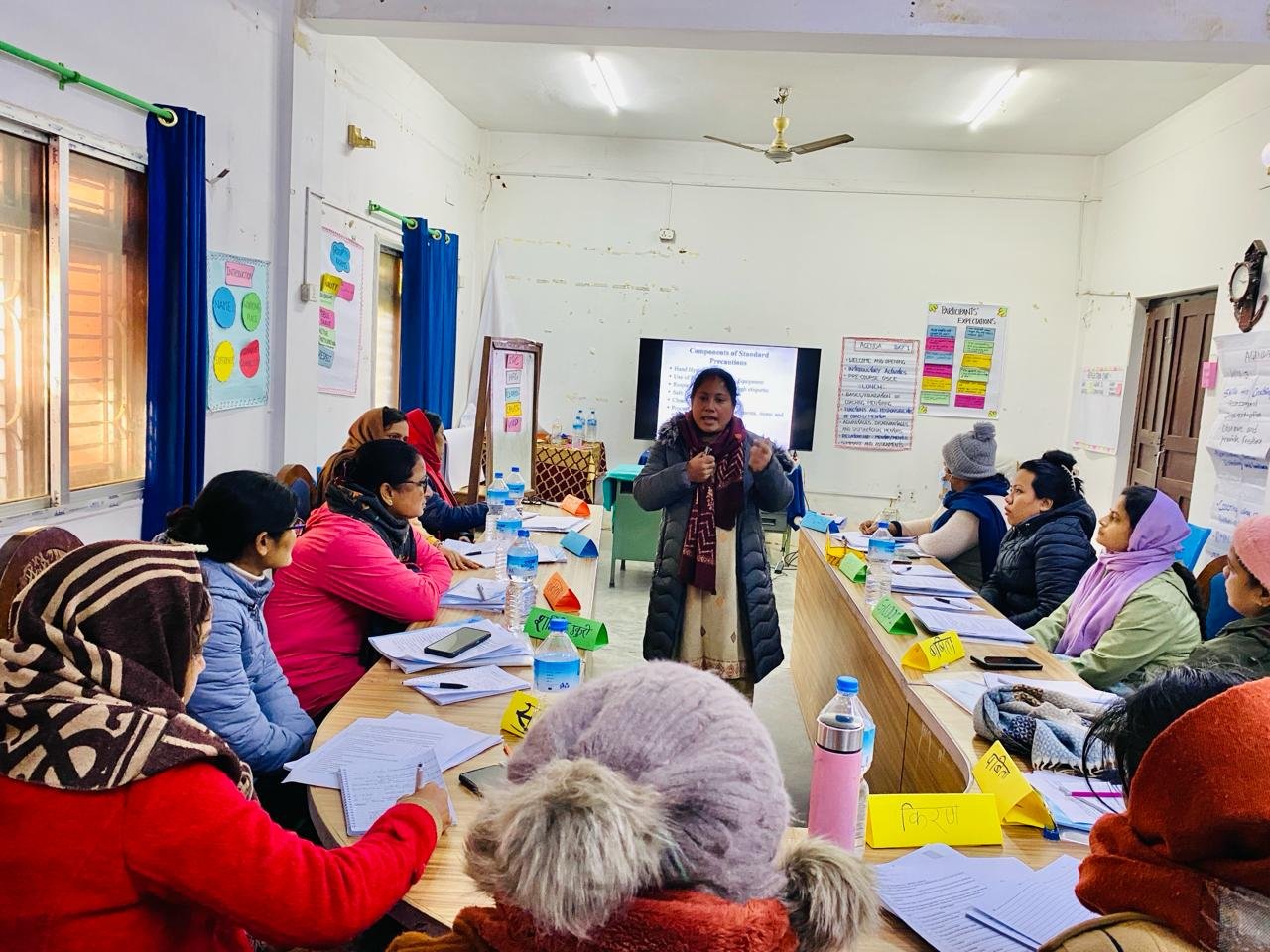
As part of this process, a pilot batch of Coach and Mentor Development Training was successfully completed from January 8-14, 2026, at the Madhesh Institute of Health Sciences in Janakpur, in collaboration with the National Health Training Center and the Provincial Health Training Center, Madhesh Province.
The seven-day pilot training brought together 12 participants from all eight districts of Madhesh Province, all of whom work in maternity wards, local-level health facilities, and birthing centers. Using the updated training package, participants were trained in simulation-based on-site coaching and mentoring, preparing them to serve as clinical coaches and mentors within their own facilities within their respective municipalities.
The pilot provided an opportunity not only to build individual capacity but also to test and refine the training package itself through real-world feedback.



Learning from Facilitators and Participants
Facilitators and participants alike emphasized the value of the training’s structure, content, and learning environment.
“The Training on Clinical Coach and Mentor Development for maternal and newborn health services was well structured and a valuable initiative that provided mentors with a solid foundation in coaching and mentoring principles, roles, and responsibilities,” shared Babita Sharma, a staff nurse and coach mentor from Yadukuha Primary Health Centre in Dhanusha. “The sessions clarified expectations and provided guidance on supporting mentees effectively. Hearing and learning from experienced facilitators added value to this training. Overall, the training is highly beneficial, well-delivered, and has prepared me well for my mentoring journey.”
From a training design perspective, the pilot offered critical insights into how the package could be further strengthened.
“The piloting of the Coach and Mentor Development Training in Janakpur provided us a great opportunity for fine-tuning the training package,” said Dr. Rajendra Bhadra, Reproductive Health Expert and Package Developer. “We adjusted methodologies and time allocation to strengthen both knowledge and skill components, including assessment. One of the major inputs was enhancing simulation-based coaching and mentoring, along with a self-paced section to ensure participants have strong SHP and SBA foundations before attending.”
Why Mentoring Matters for Quality Care
Experts involved in the training highlighted the importance of mentoring as a complement to formal education.
“One of the major components of quality service is a competent and motivated workforce,” explained Dr. Ishwor Prasad Upadhyaya, Training Expert and Master Trainer at the National Health Training Center. “Training alone is not a miracle solution for ensuring sustained competency and quality service. Several other factors also play a role. On-site mentoring is an evidence-based intervention that helps retain competencies while also ensuring the quality of service delivery.”
He also emphasized that the updated Coach and Mentor Development Training offers a cost-effective alternative to traditional refresher courses, which can be resource-intensive and lead to prolonged absences of health workers from their facilities.
“The inclusion of simulation-based coaching and mentoring is one of the key strengths of this package,” he added. “This was one of the best learning experiences for me as both a trainer and a designer. On behalf of the facilitator team, I would like to extend sincere thanks for their wholehearted support.”
Strengthening Systems Through Partnership
Provincial leadership underscored the value of collaboration in advancing maternal and newborn health initiatives.
“Through dedicated technical and cost-sharing support from One Heart Worldwide, we were able to develop clinical coaches and mentors to strengthen maternal and neonatal health services in Madhesh Province,” said Anil Kumar Chaudhary, Senior Health Education Officer at the Provincial Health Training Center, Madhesh Province. “Thank you so much to the partner organization for your valuable presence and support in saving the lives of mothers and newborns.”
Looking Ahead
Feedback and recommendations from the pilot training have already been used to further revise and strengthen the mentor development training package. As the Government of Nepal continues to roll out the updated SHP and SBA curriculum nationwide, on-site coaching and mentoring will play a critical role in ensuring that national training reforms result in tangible improvements in MNH care.
By supporting both training and mentorship, One Heart Worldwide remains committed to strengthening health systems and supporting health workers so that every mother and newborn receives safe, high-quality care, regardless of where they live.