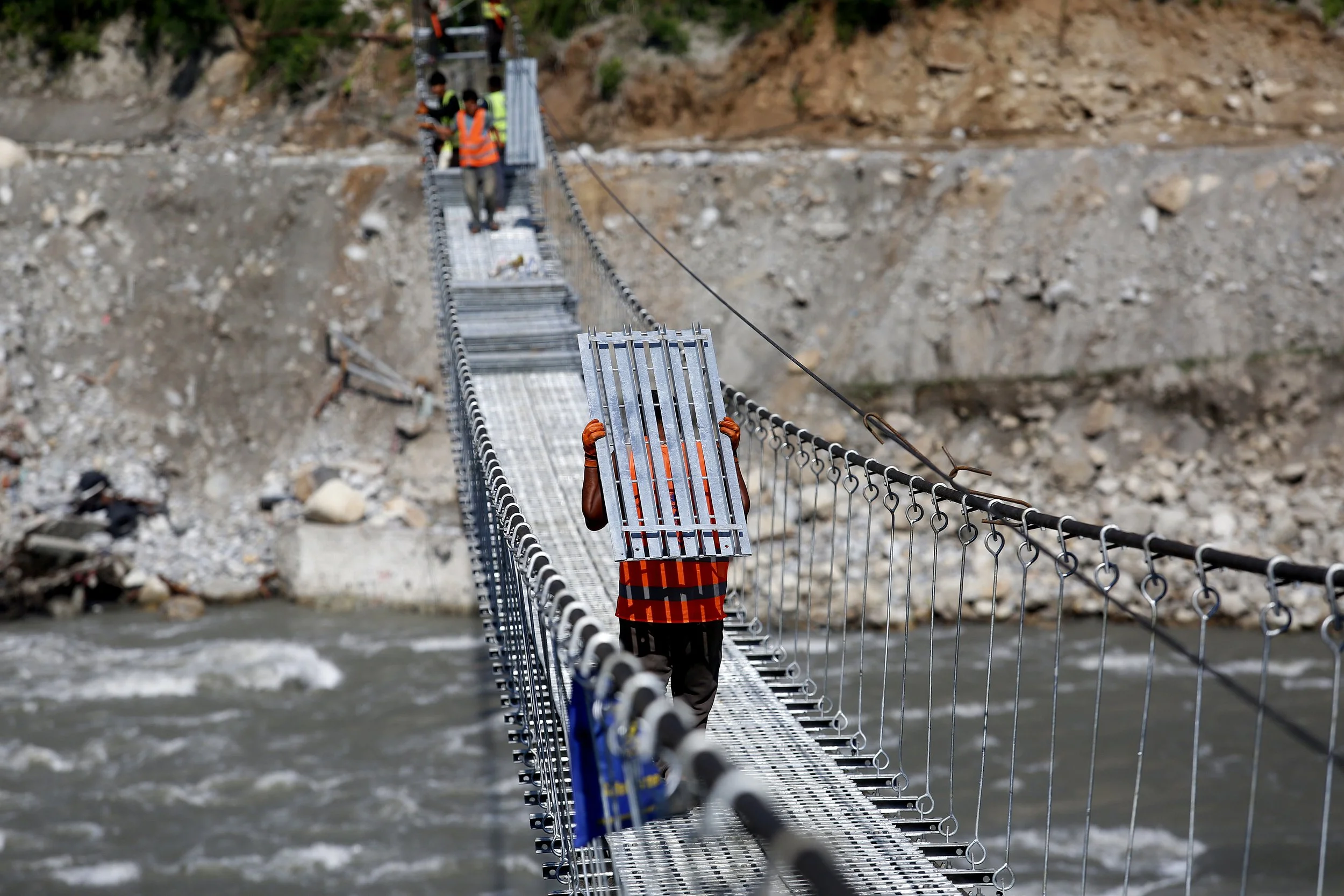
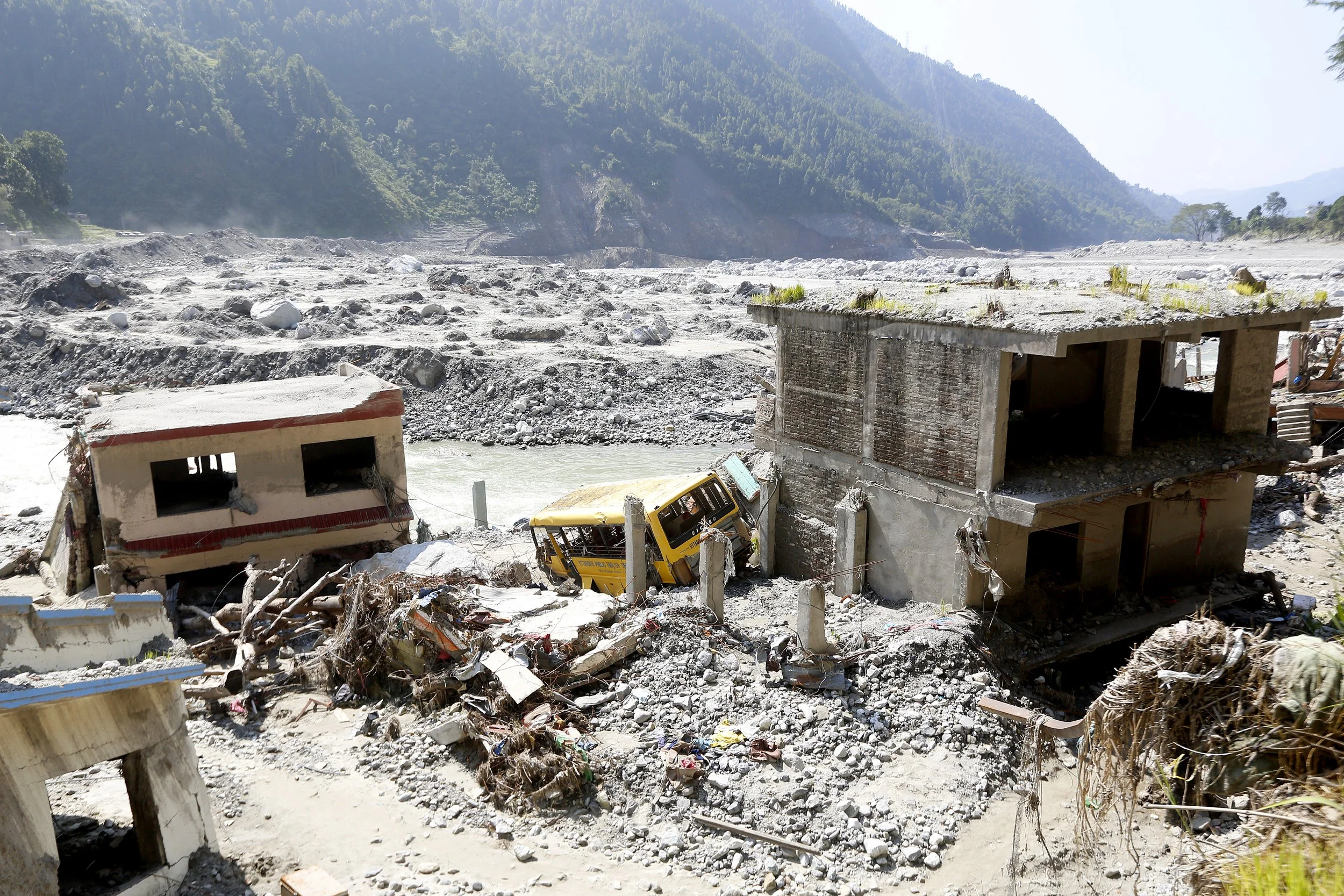
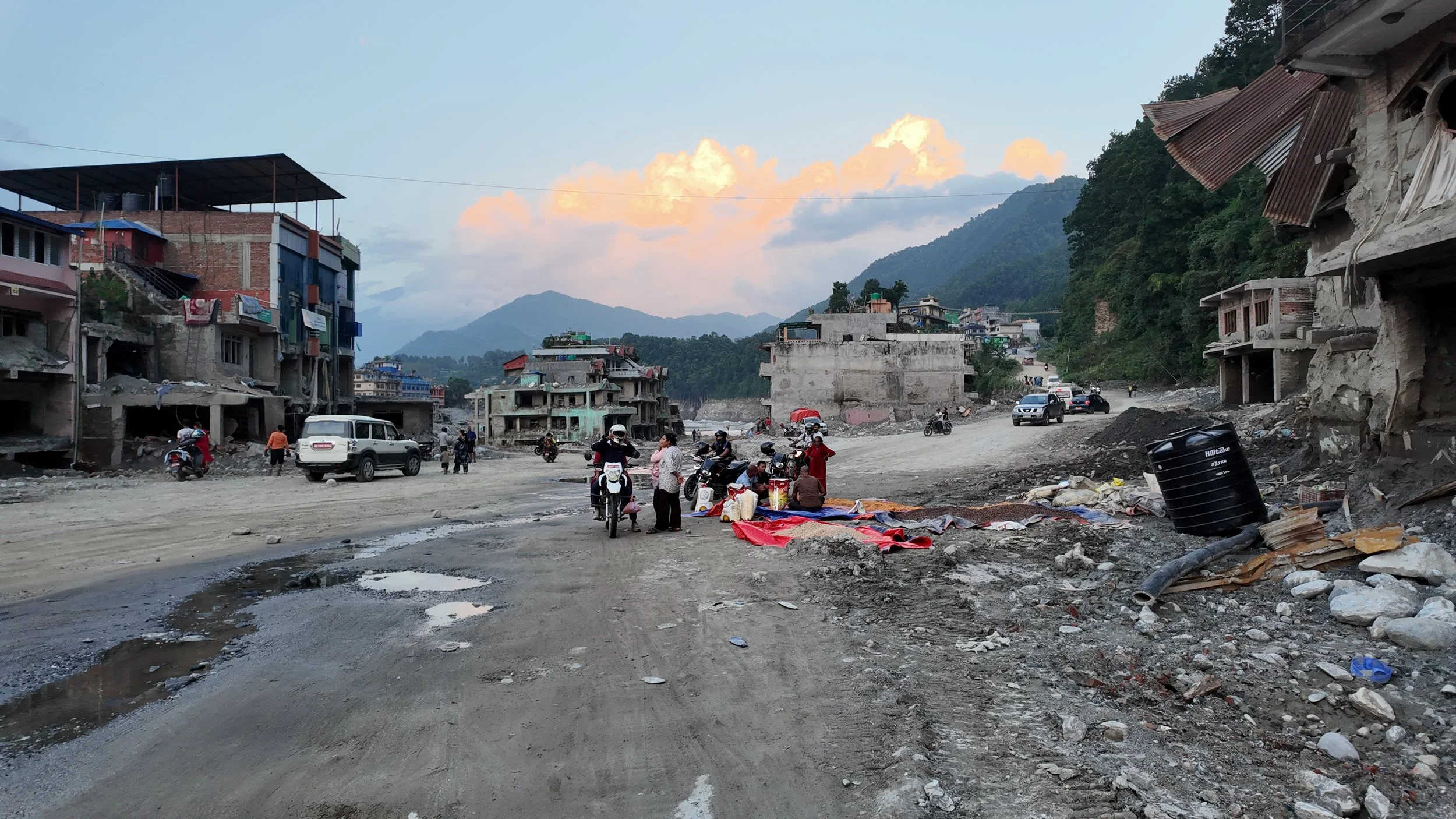
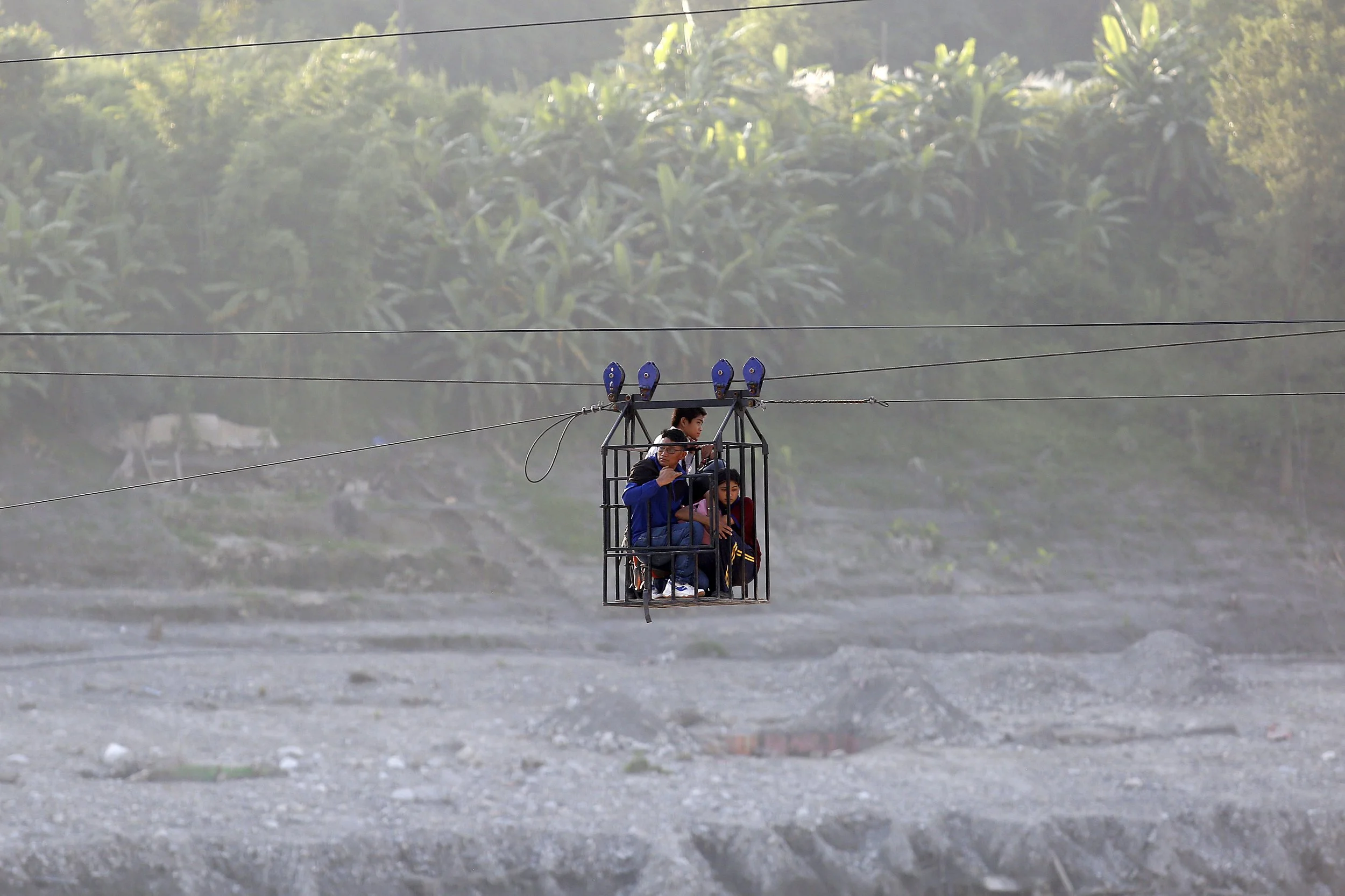
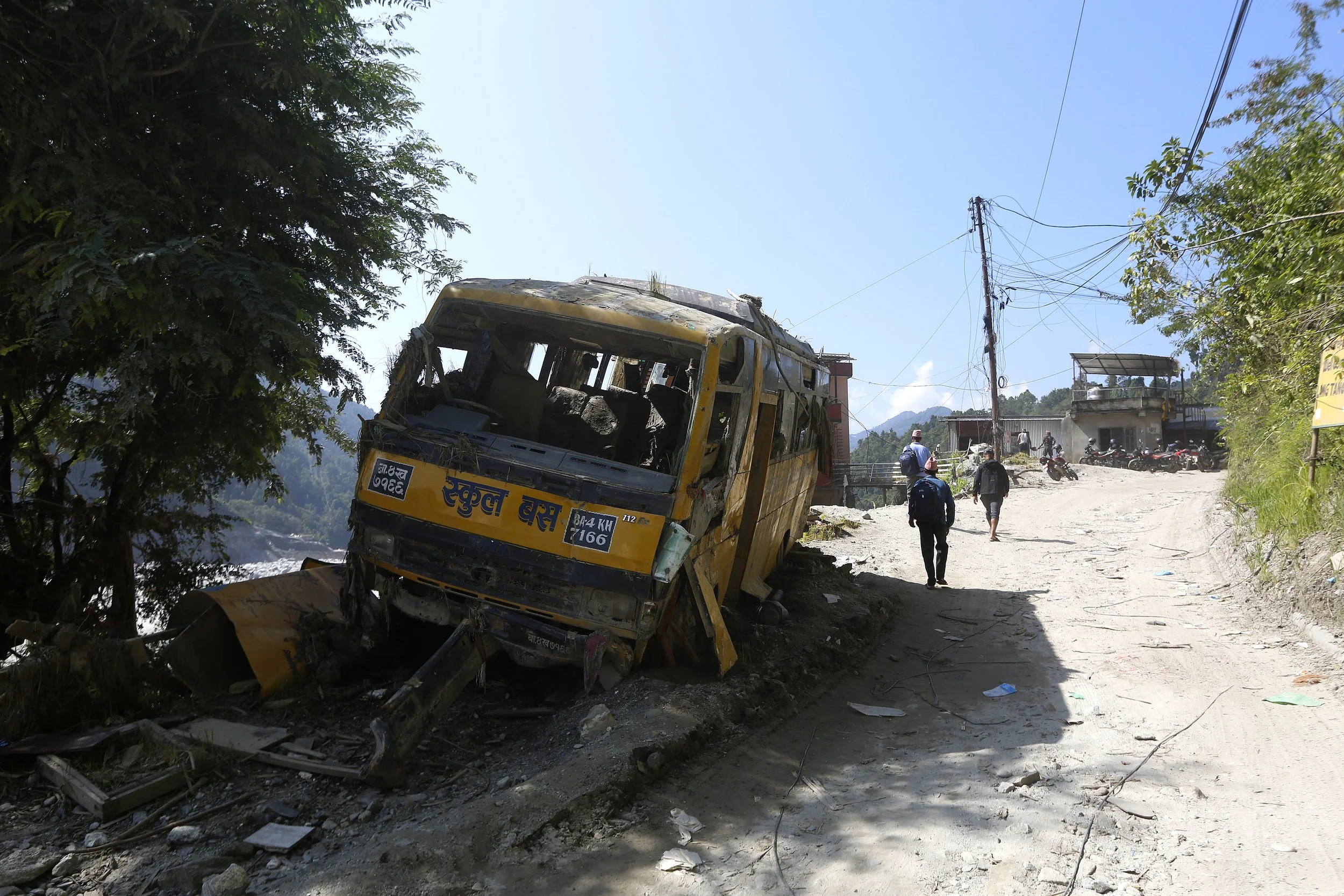
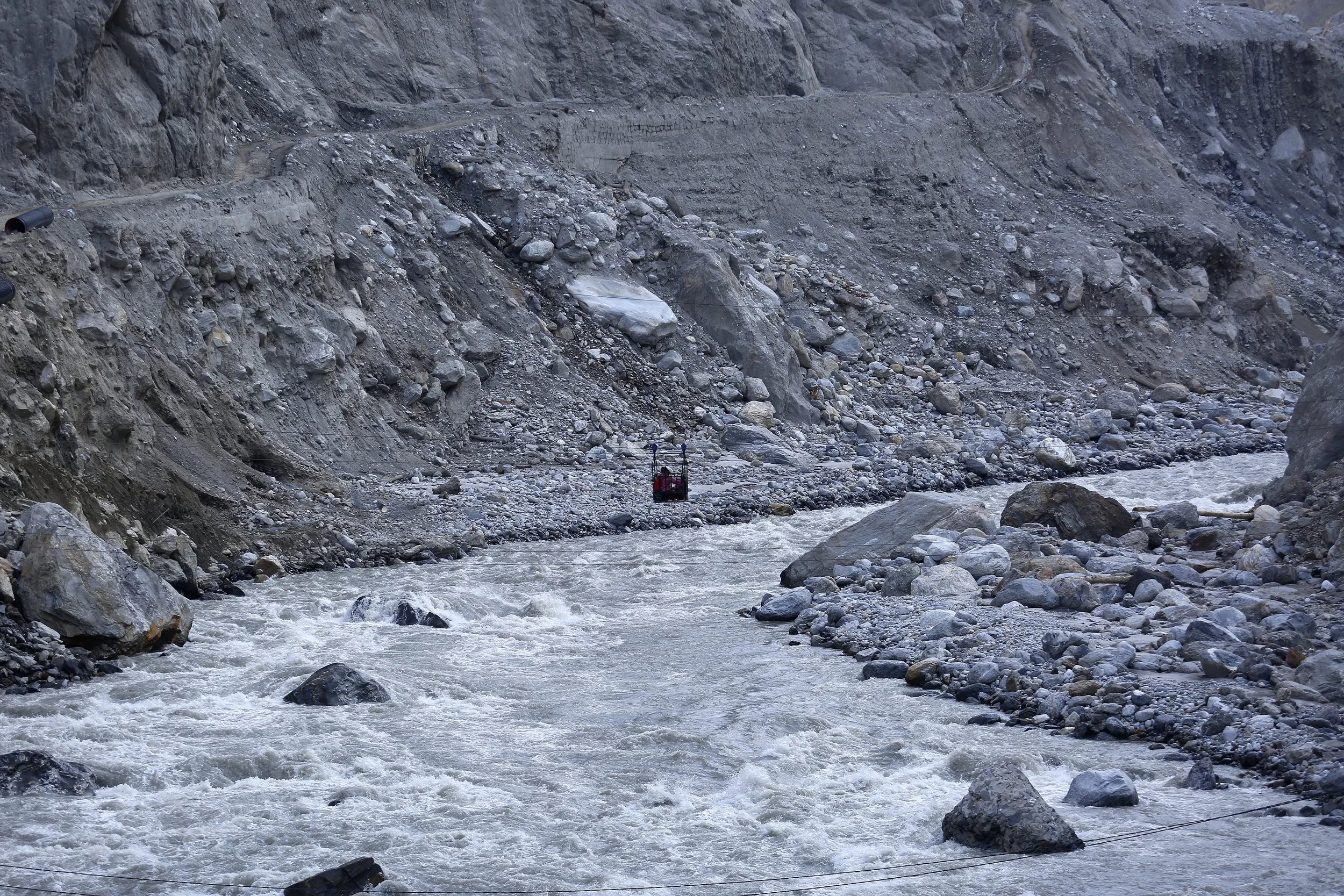
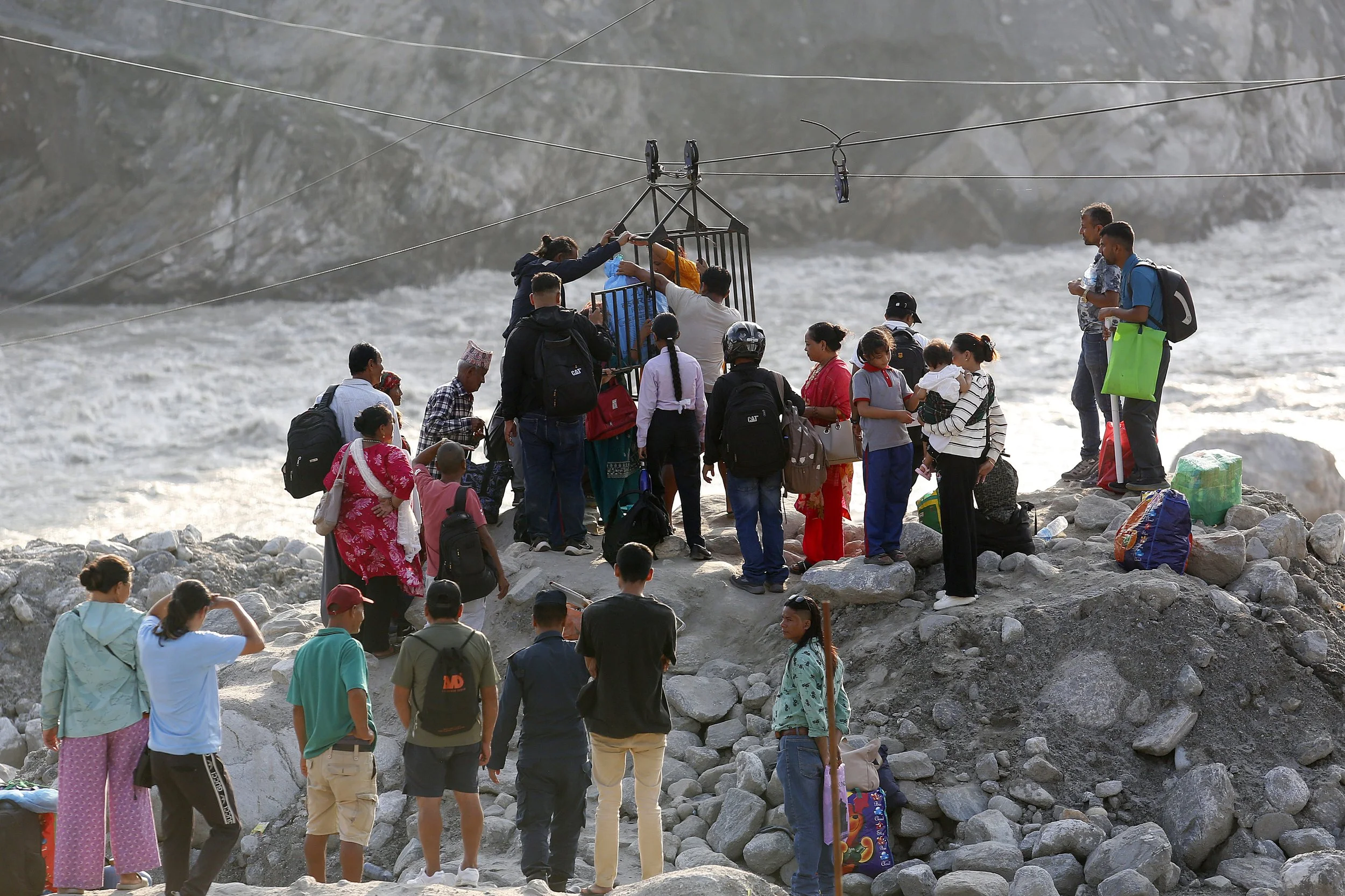
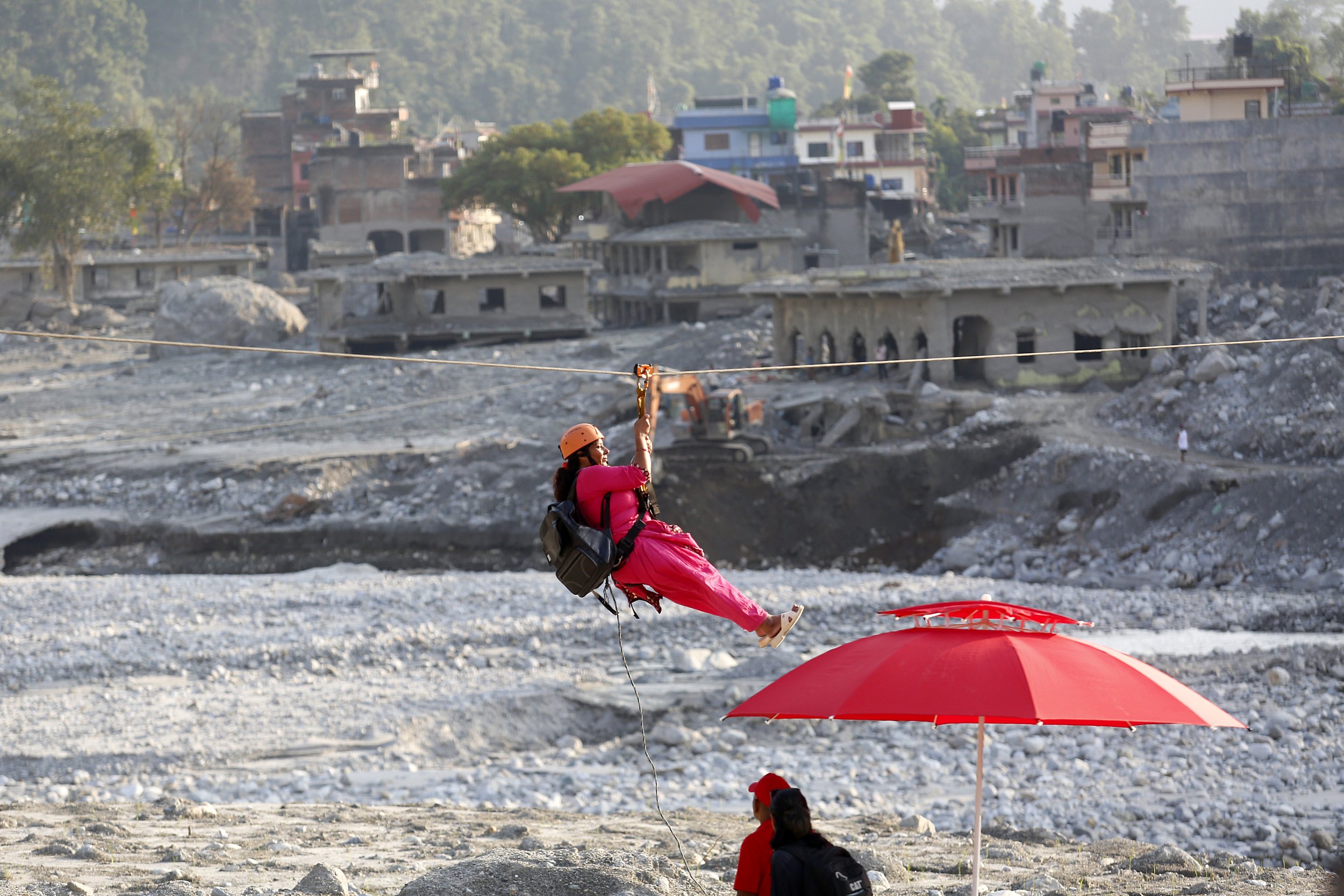
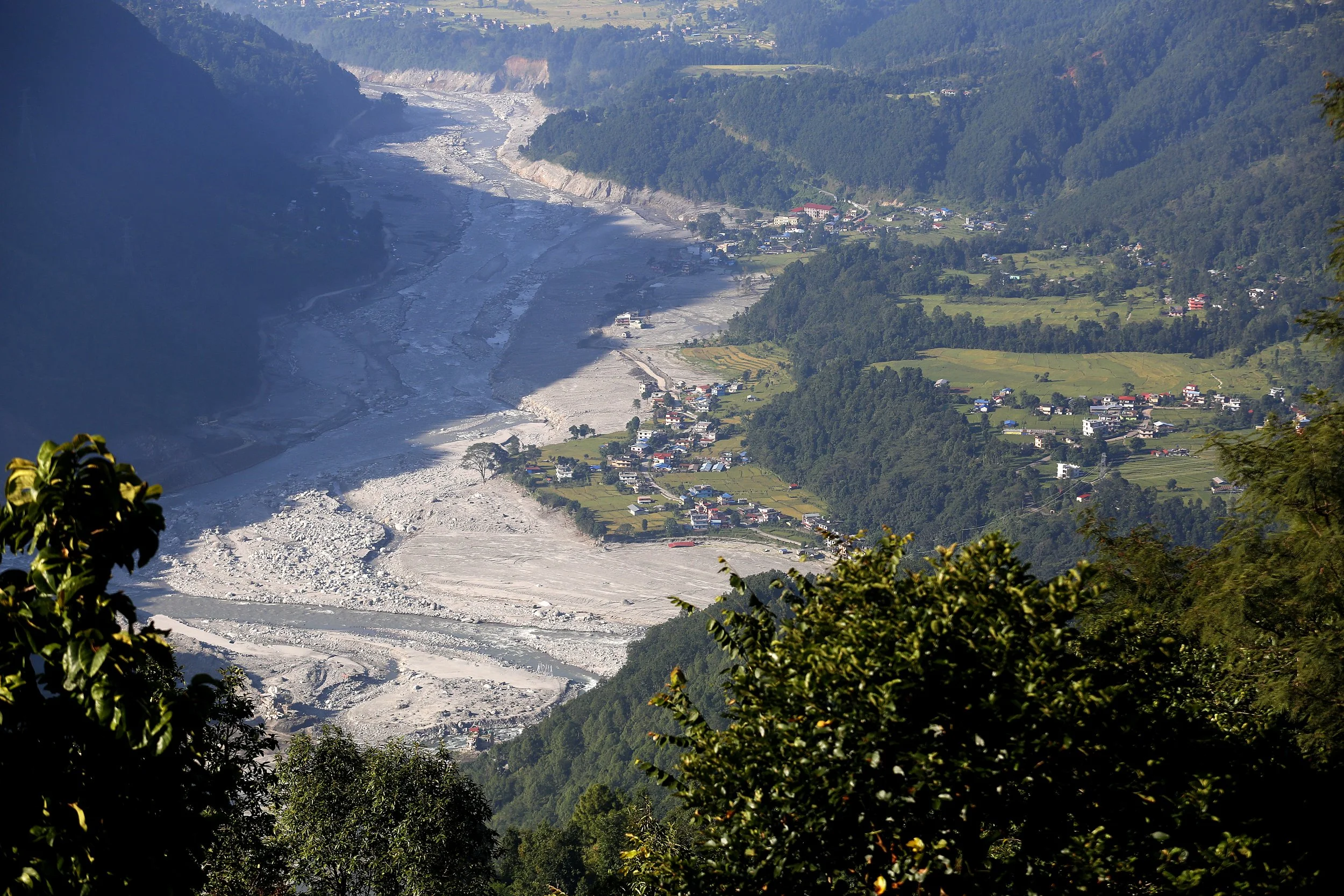
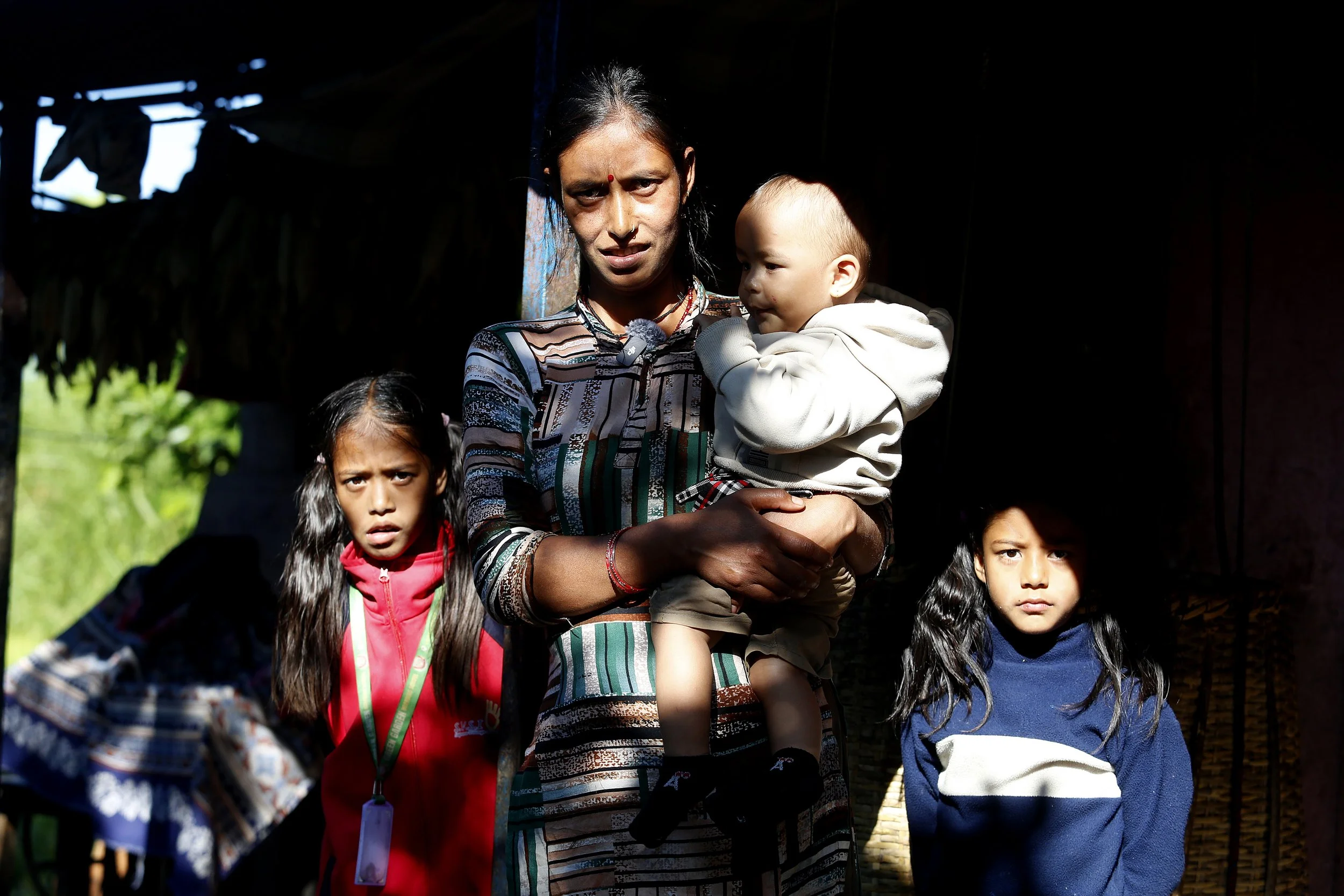
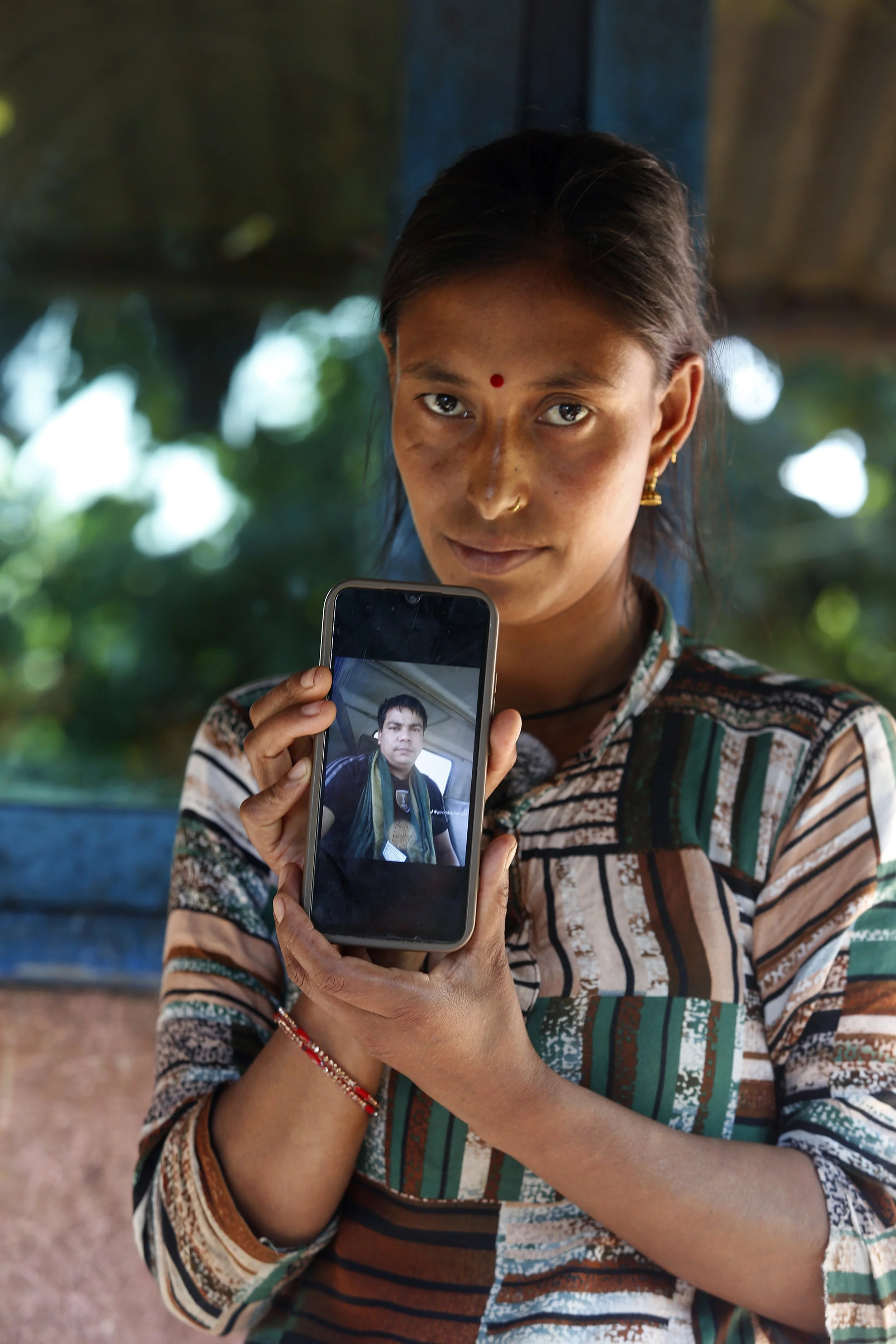
In late August, a wall of debris came down the Bhotekoshi River, and within half an hour the Trishuli River had risen about nine meters. The flood that followed tore through communities along the river corridor, and the danger never ebbed. Further floods and landslides have struck the affected districts, and through it all, One Heart Worldwide’s Nepal team has stayed constant.
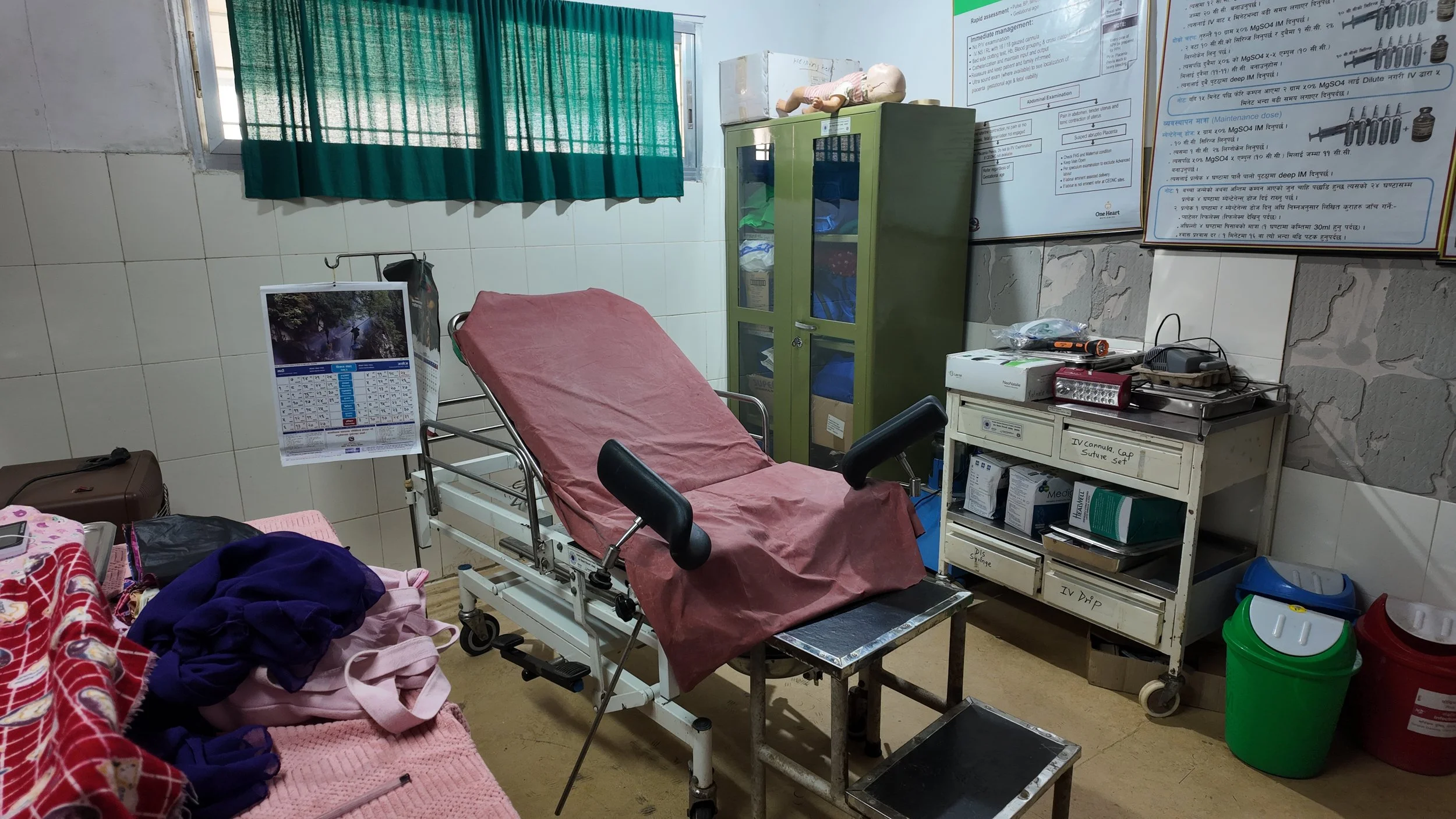
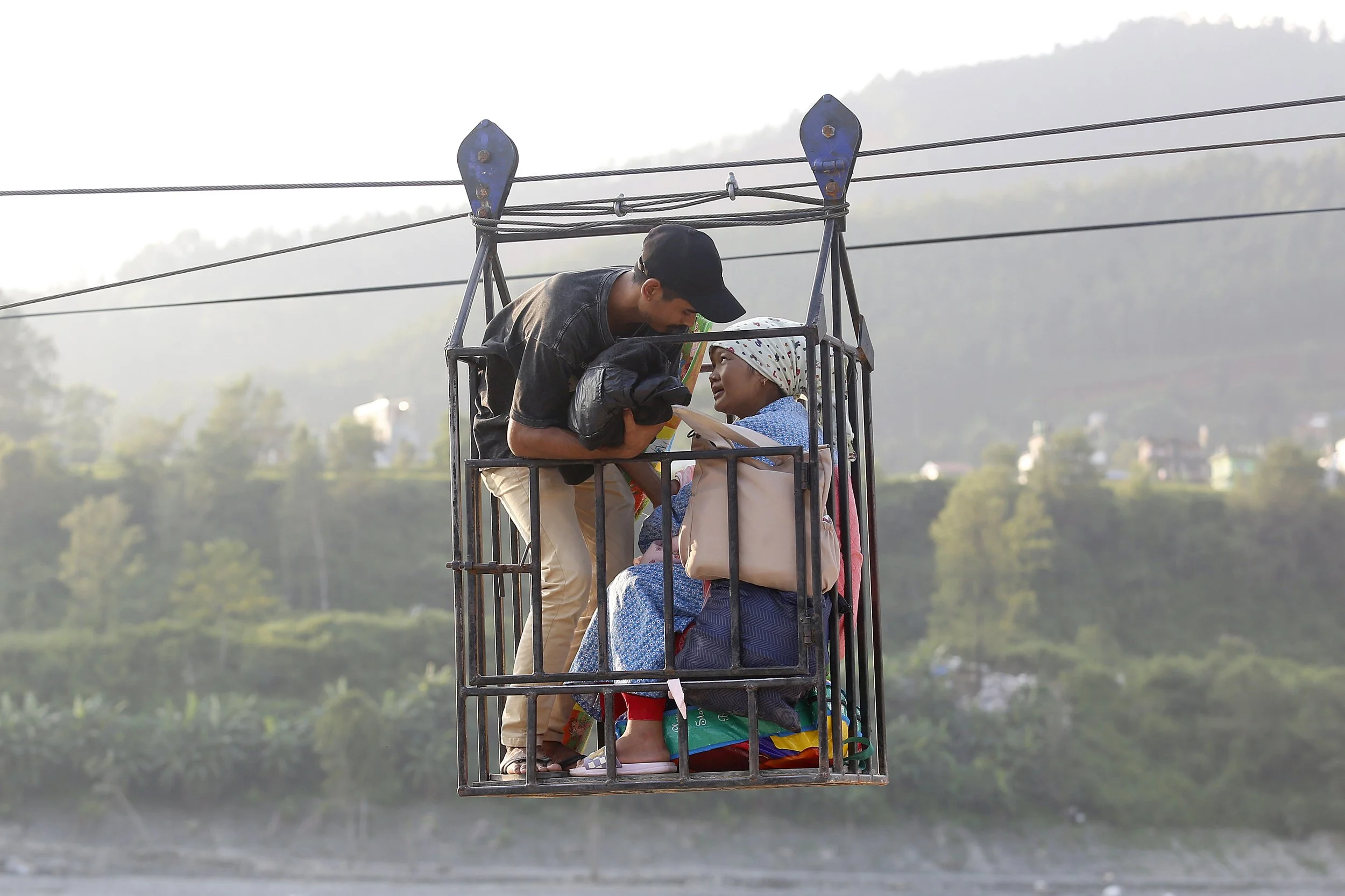
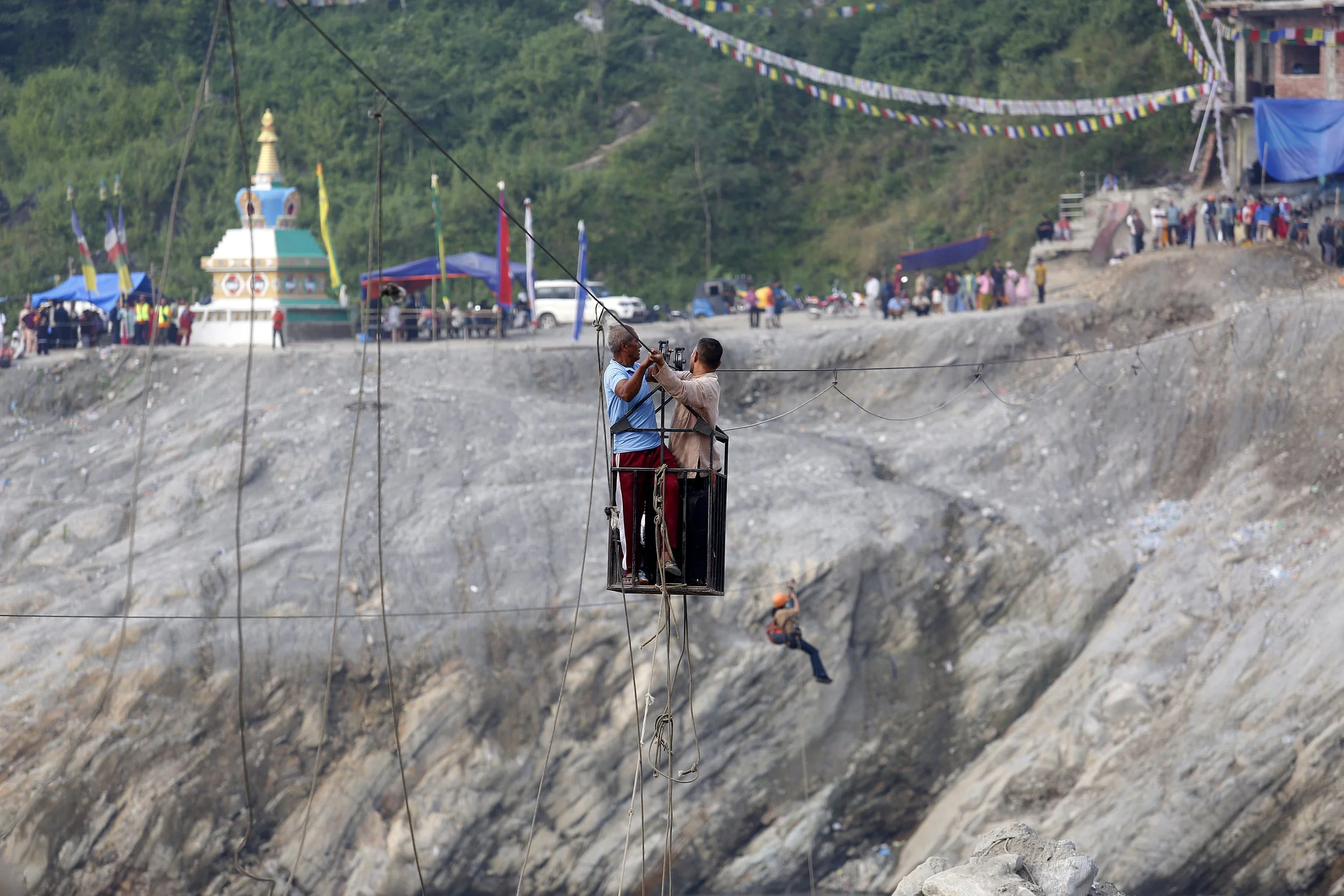
A flood does not damage every life equally. It affects a pregnant woman near her due date and a newborn who depends on a warm room and a functioning health post. The most vulnerable, including pregnant women and newborns, are the people a disrupted health system fails first. Roads wash out, blocking emergency transport, and birthing centers lose power, leaving the nearest facility located on the far side of a river that no longer has a bridge.
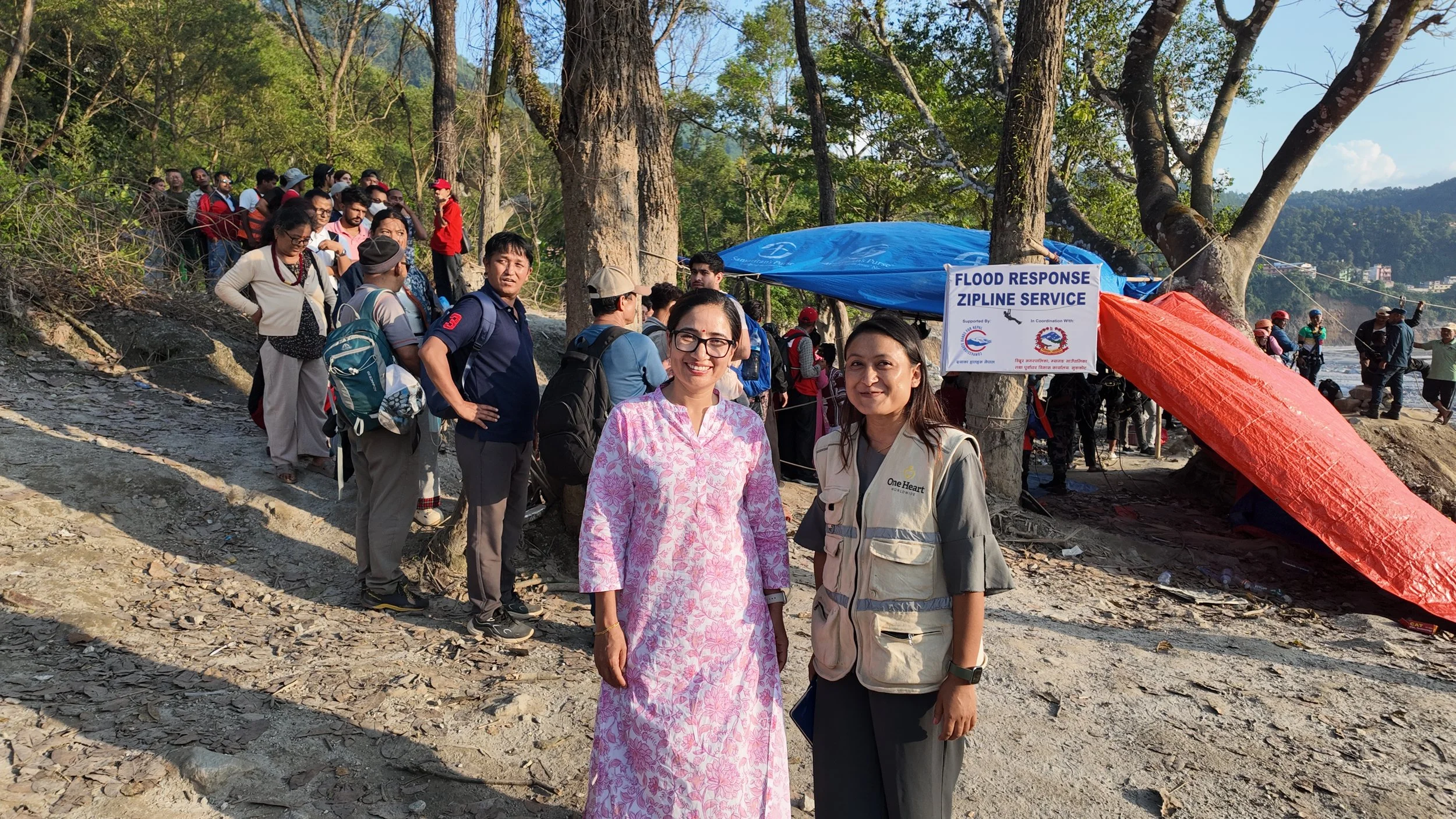
That is why mothers and newborns will always come first in any emergency One Heart Worldwide responds to. In Rasuwa, Nuwakot, and Dhading, our team wasn’t responding to a new place, where they would have had to learn the ground and earn people’s trust. They were responding to communities that already knew them.
Keeping care within reach
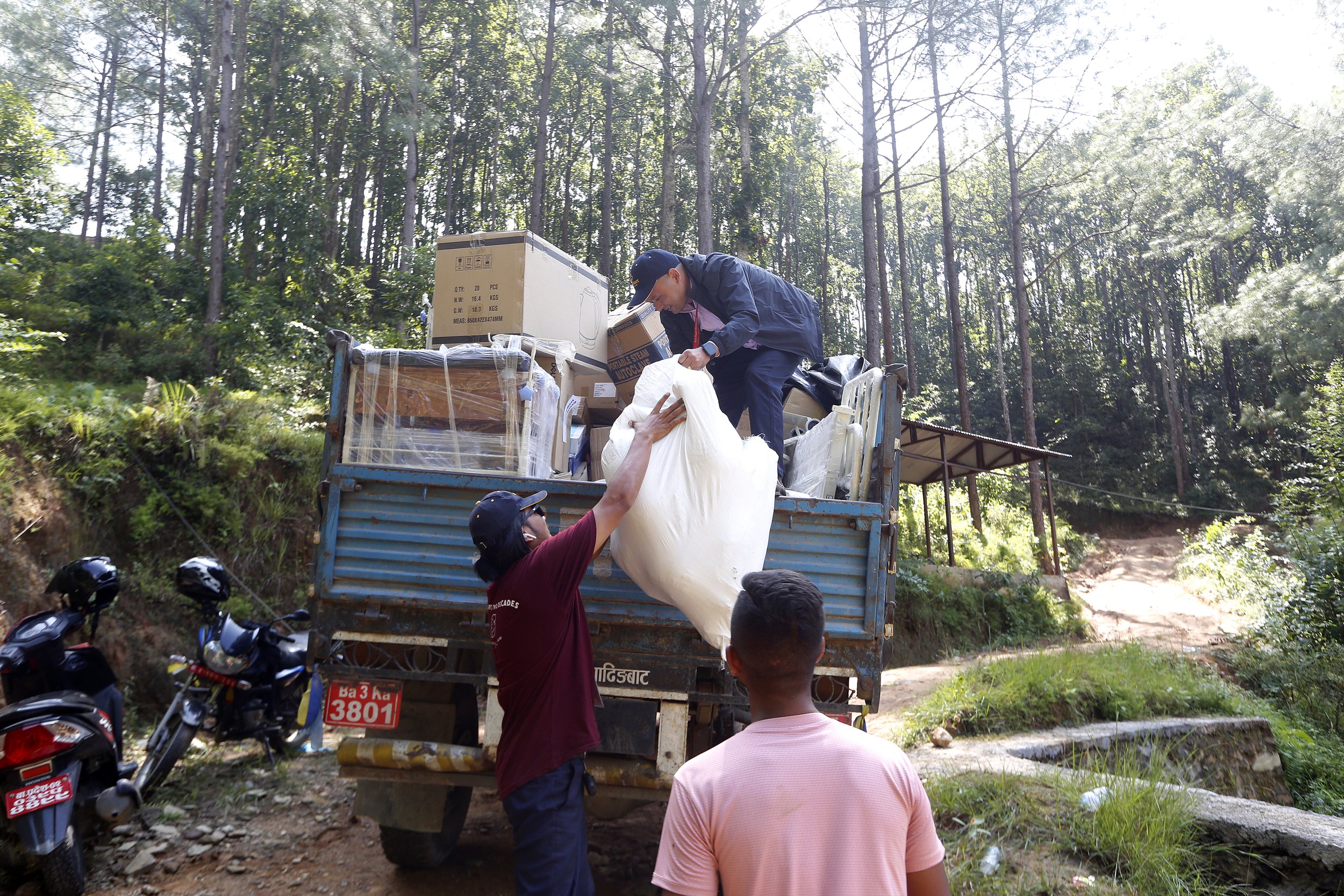
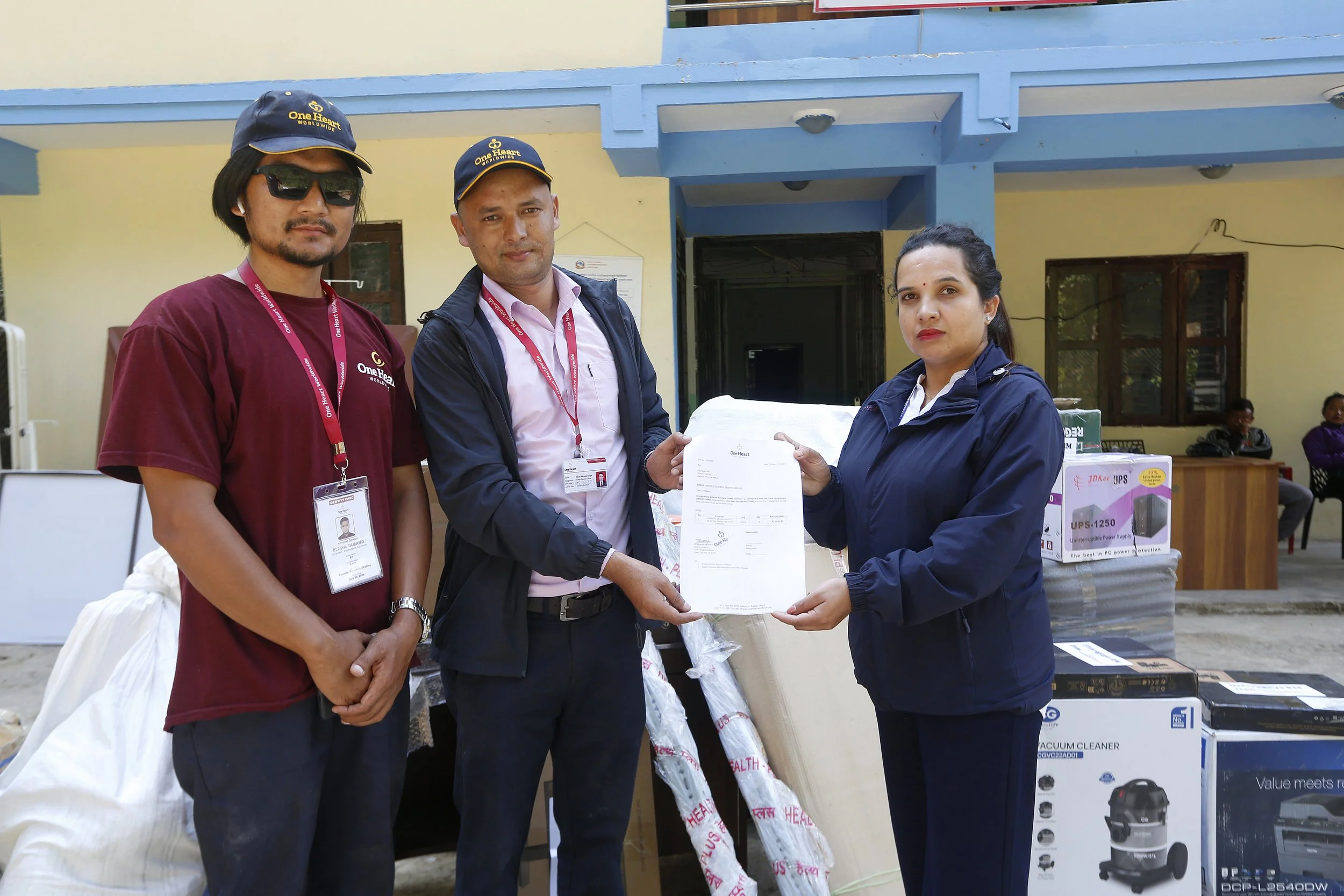
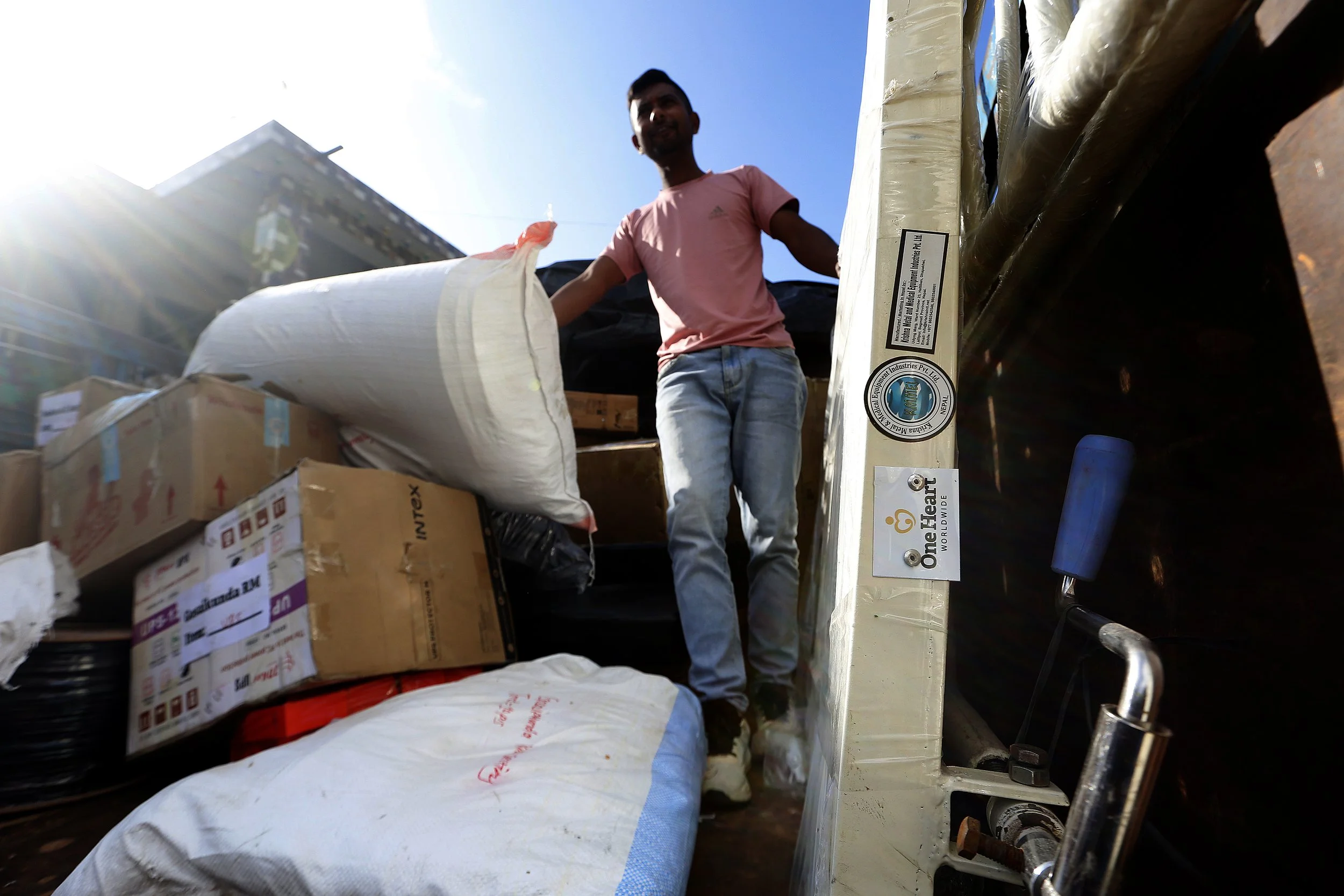
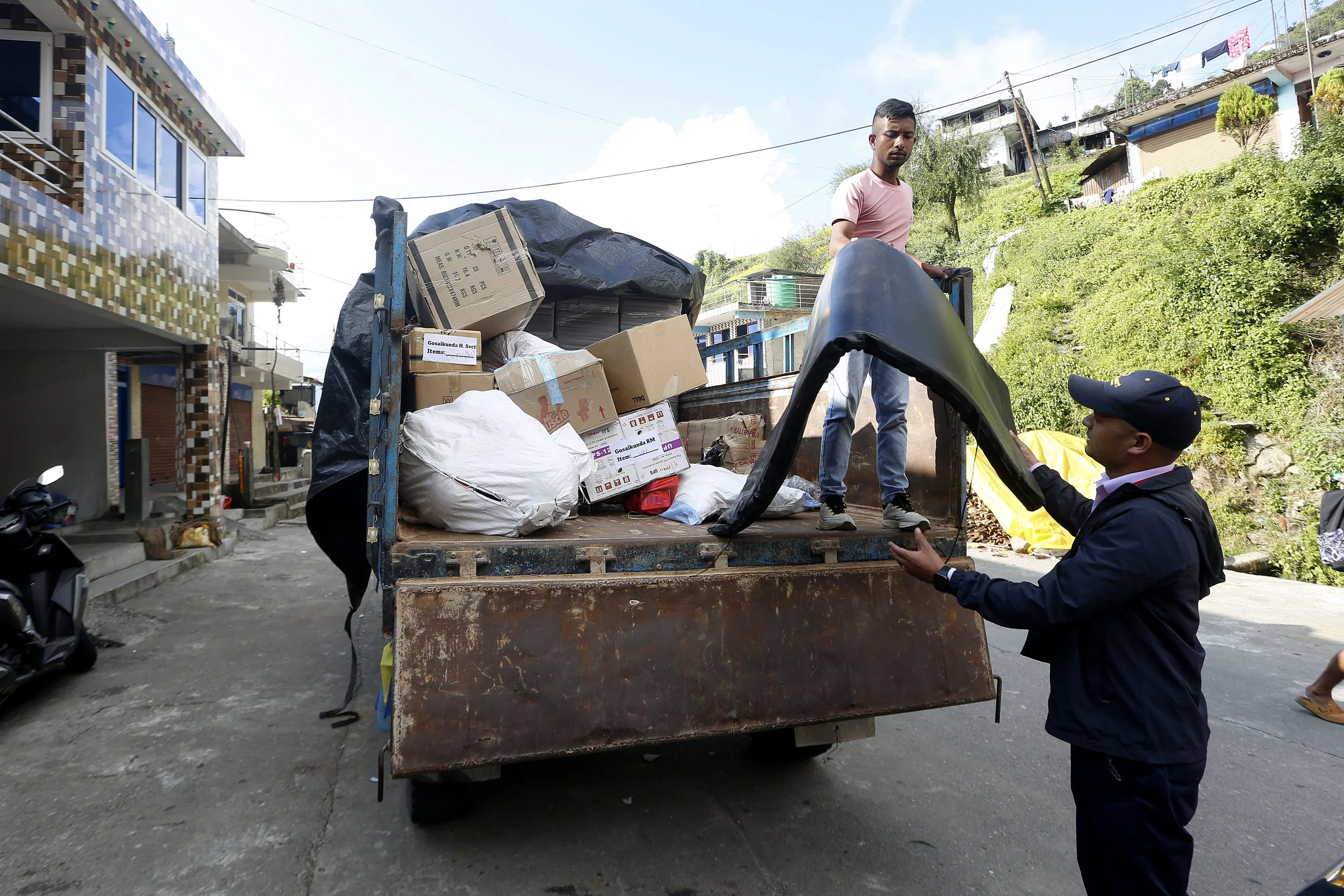
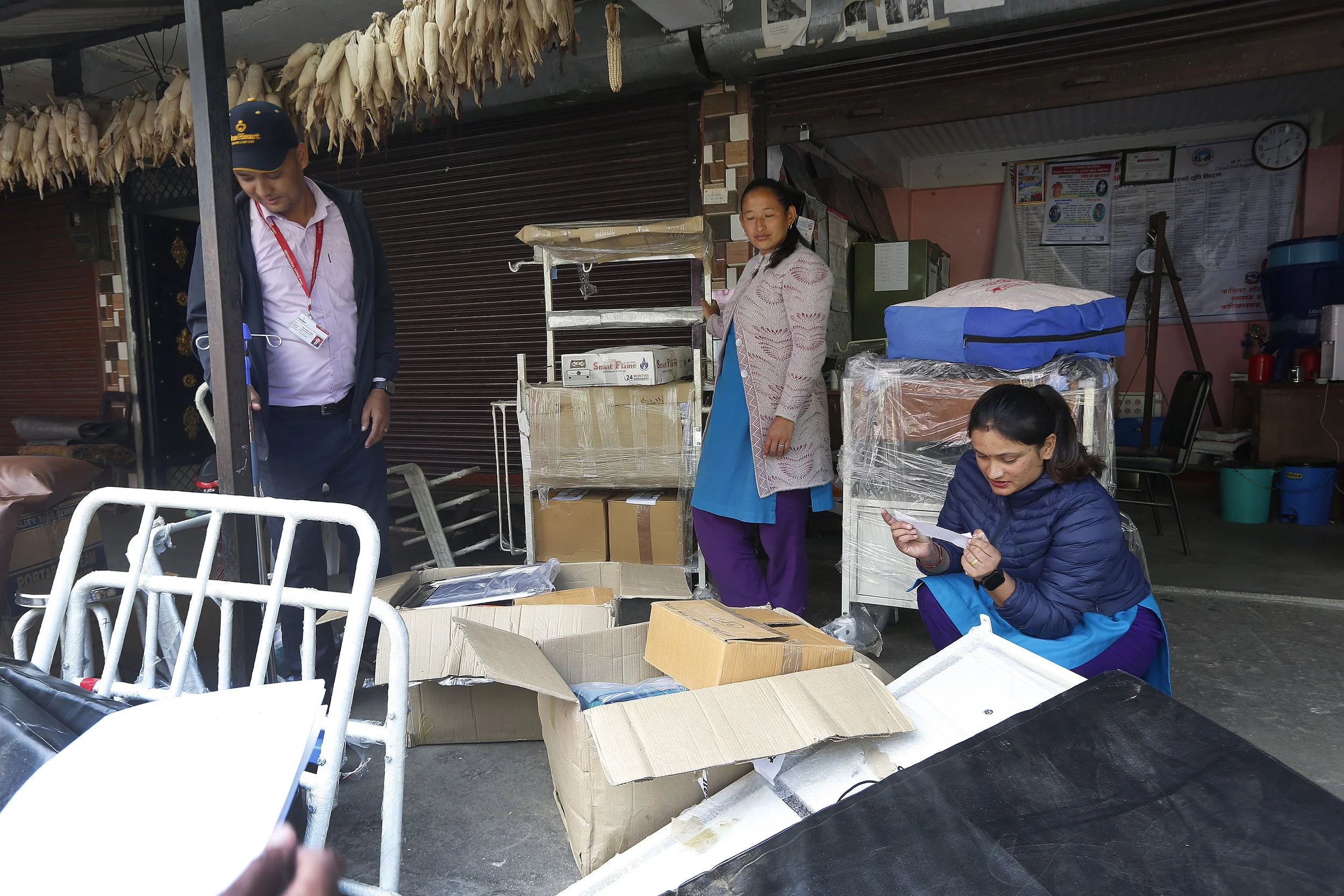
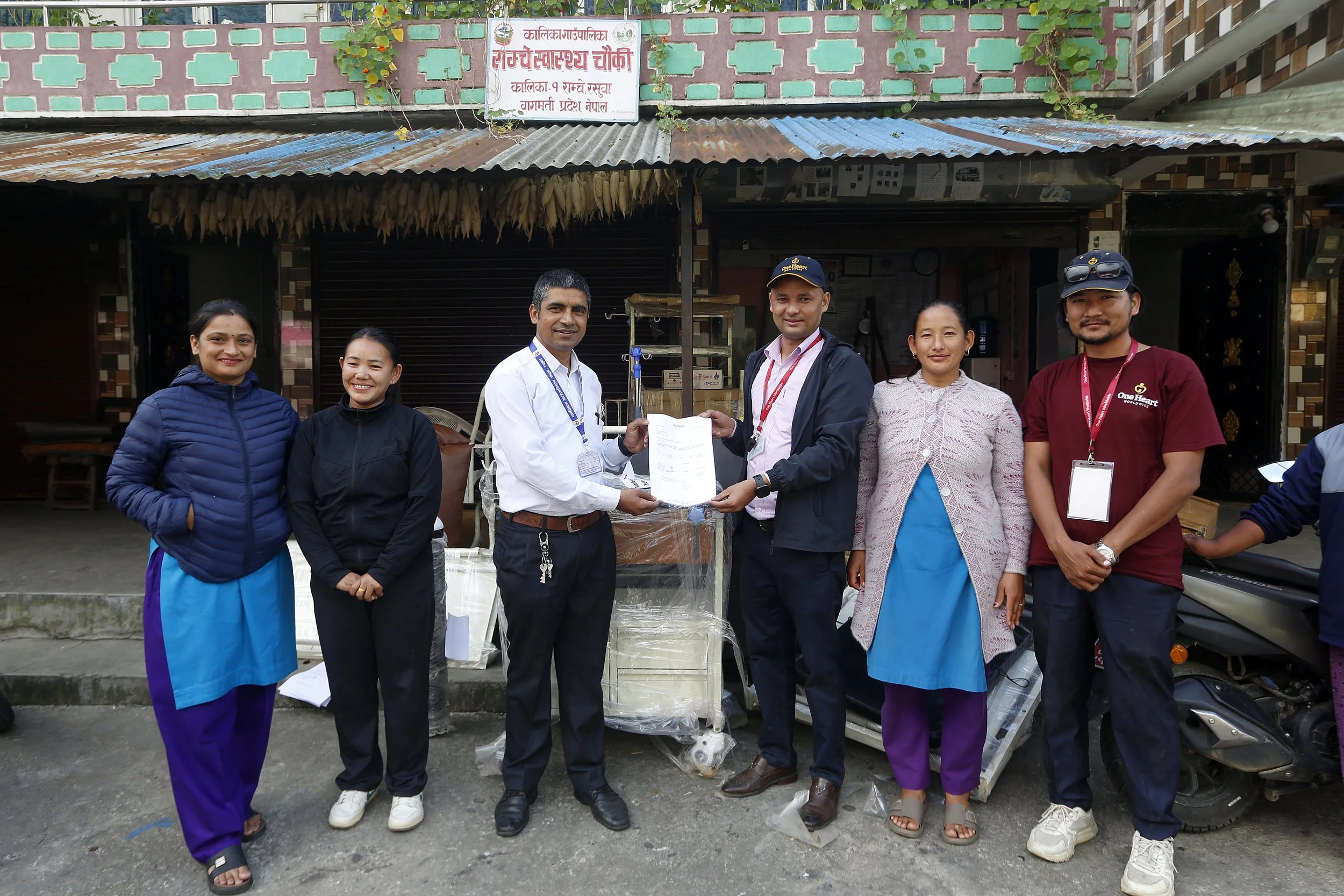
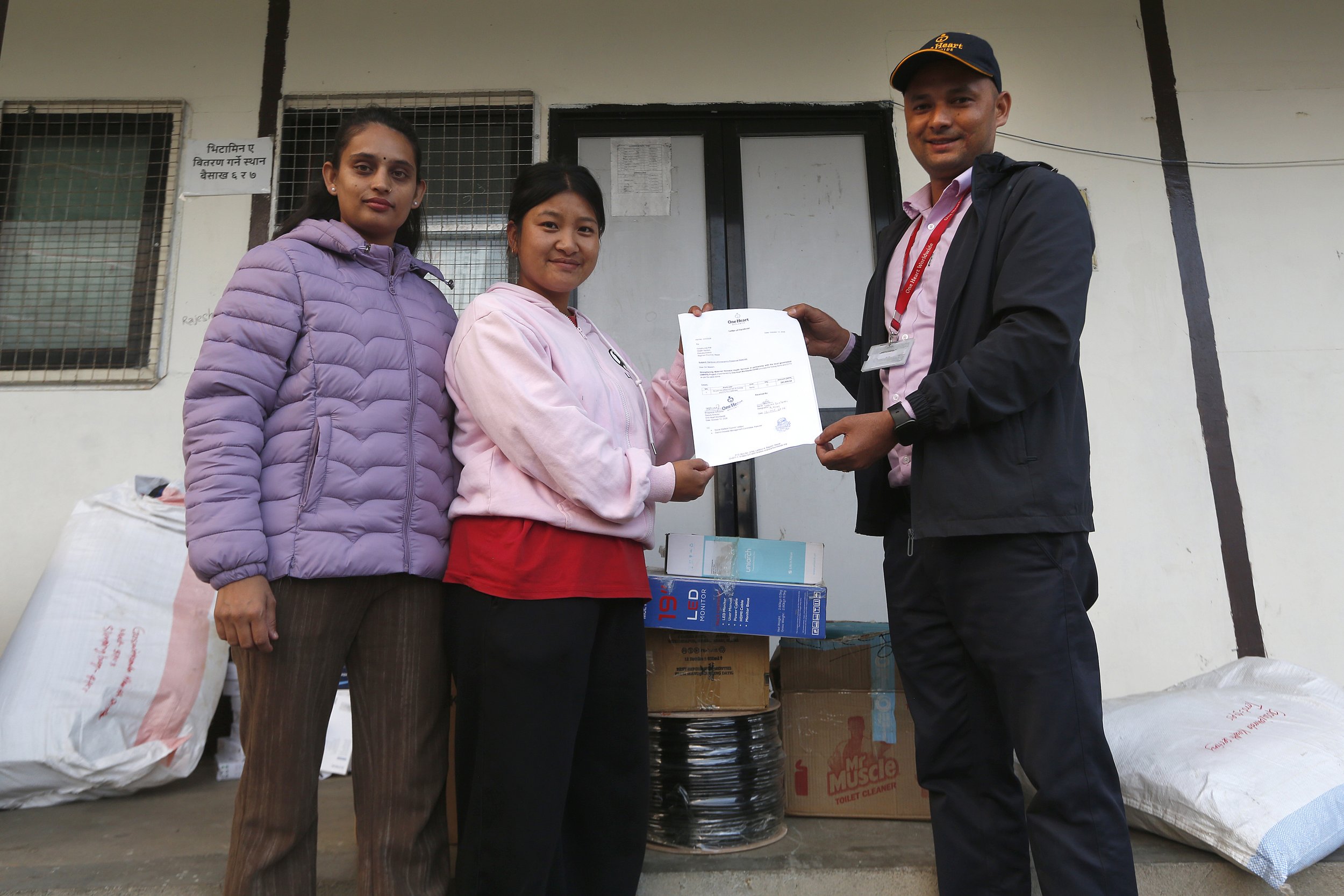
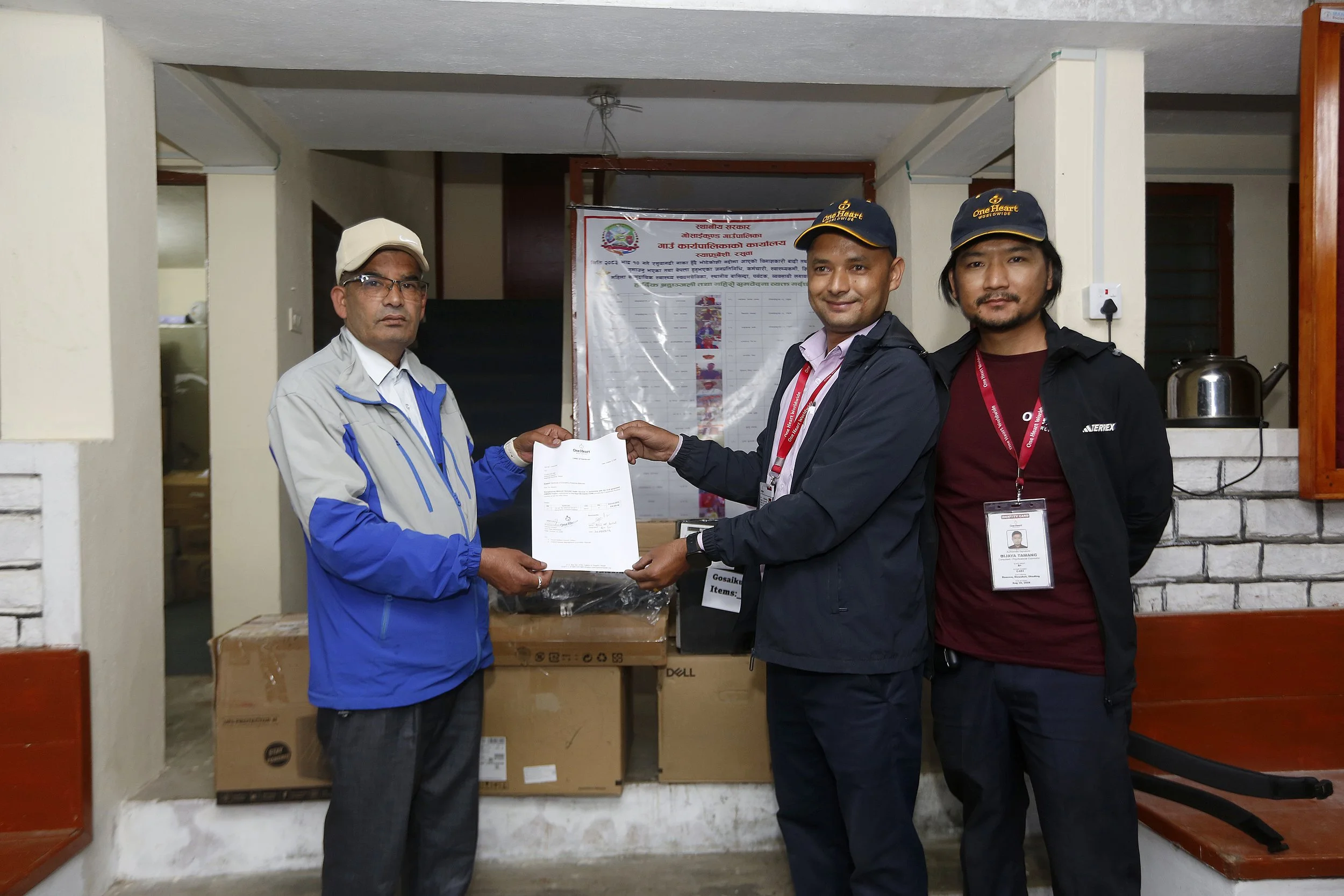
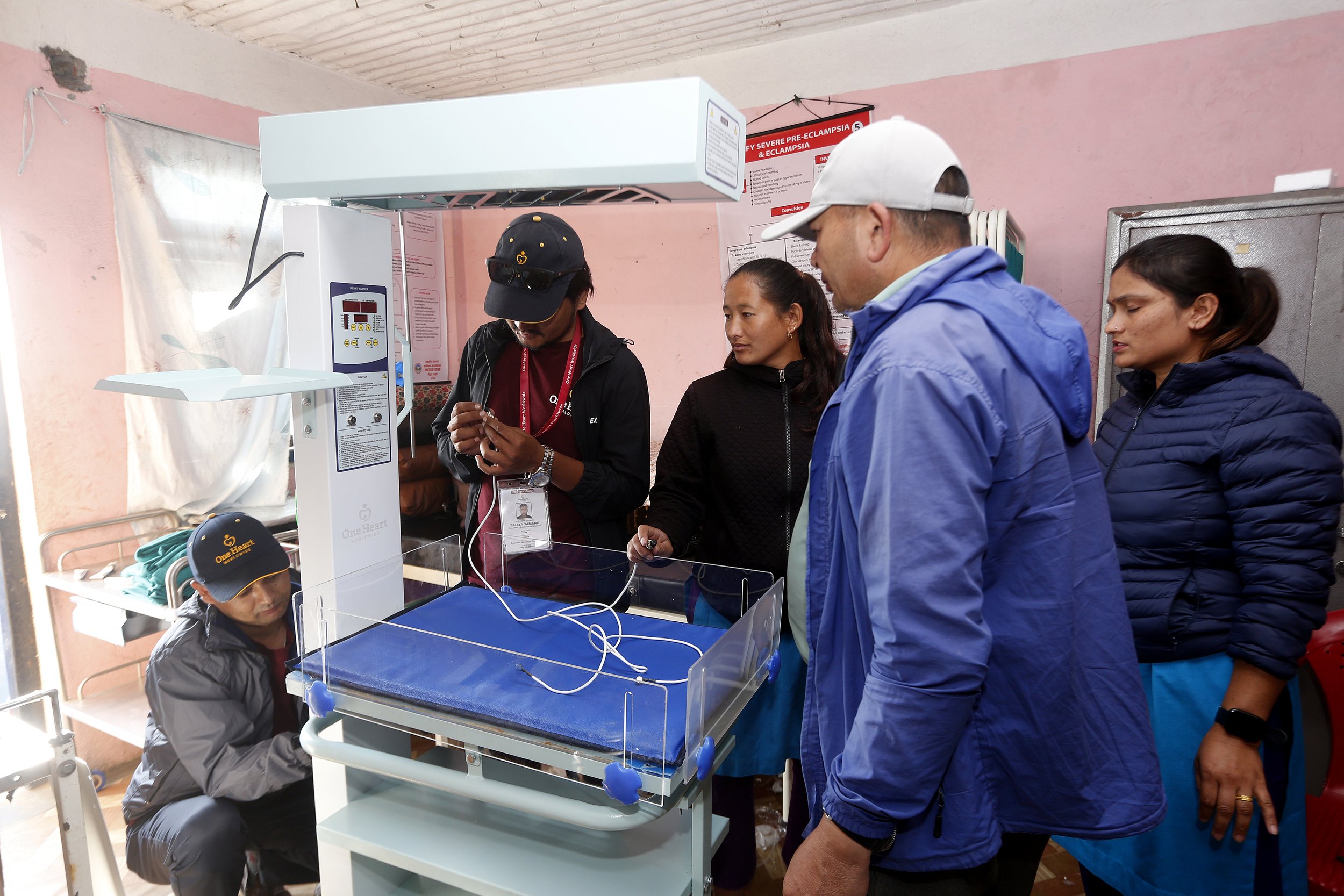
The need for safe childbirth does not ease in a crisis. If anything, it grows harder to meet. Working alongside the Government of Nepal and the district health offices, our team delivered essential medicines and supplies to 64 health facilities and supported 6 hospitals to keep their full range of services running throughout the crisis. Where the power had failed, we installed 12 solar backups and 2 generators, including power for Thulogaun Health Post and the Nepal Army’s Maitri relief camp along the Trishuli River, so that facilities could continue providing care.
Families beginning again
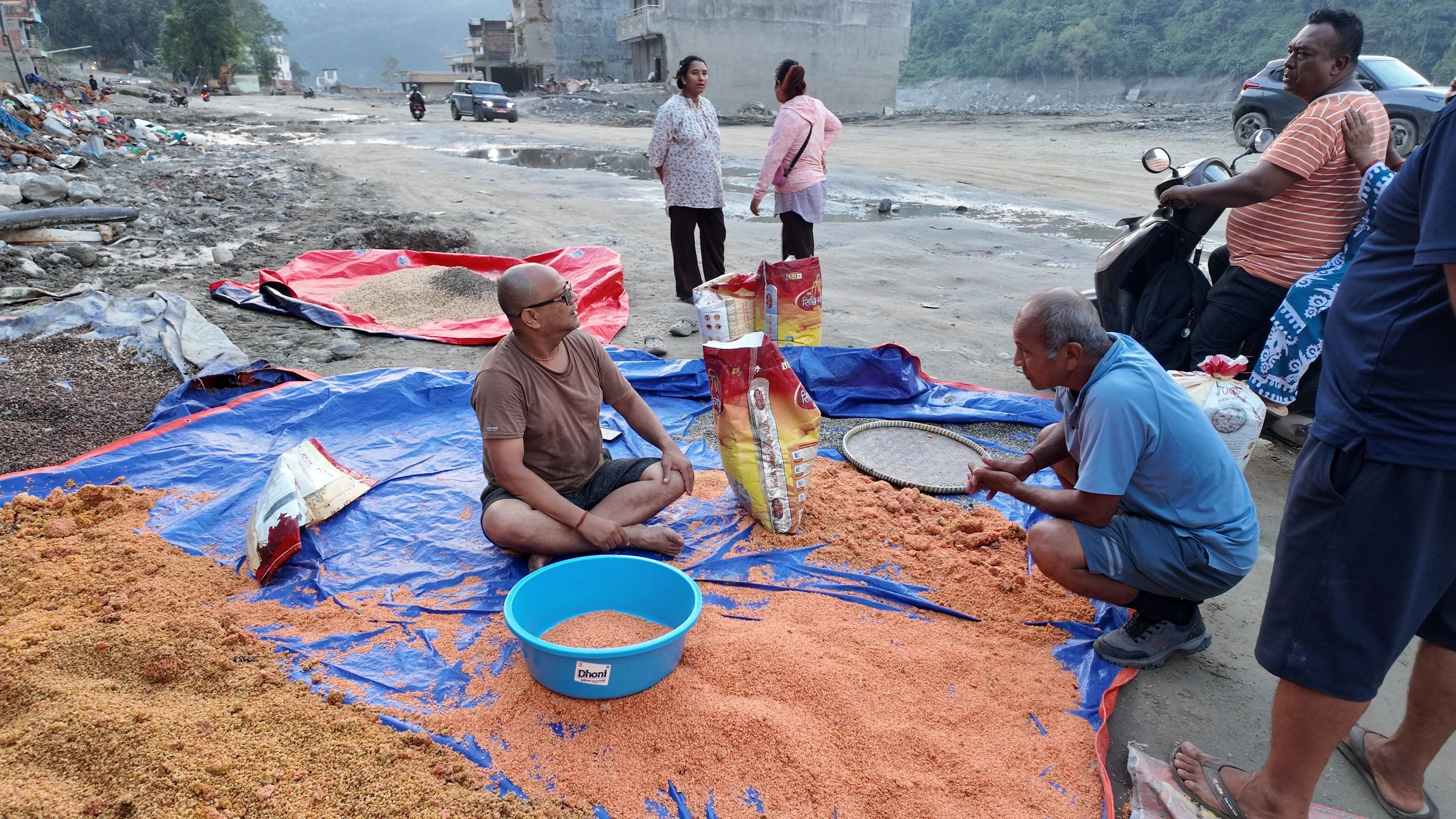
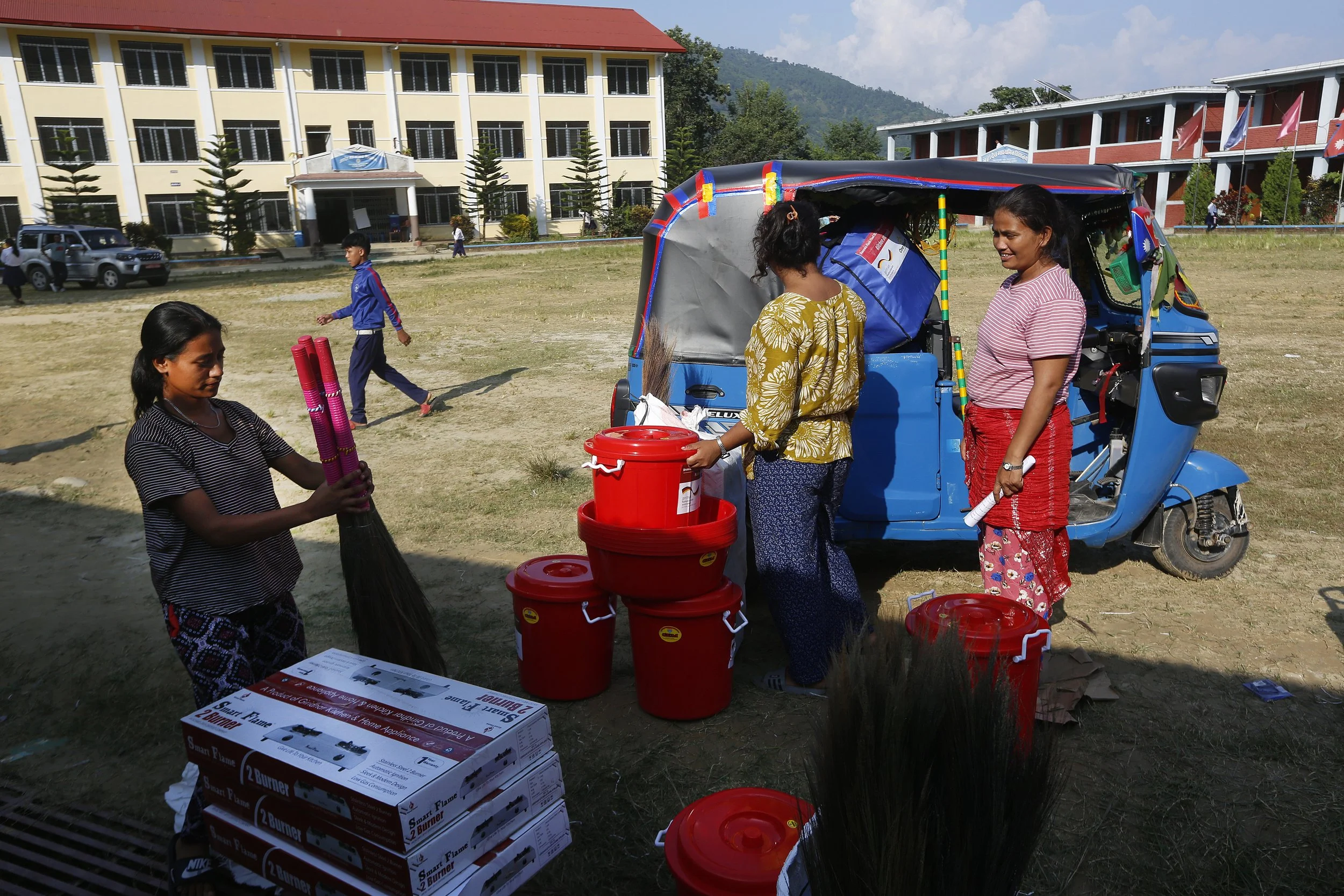
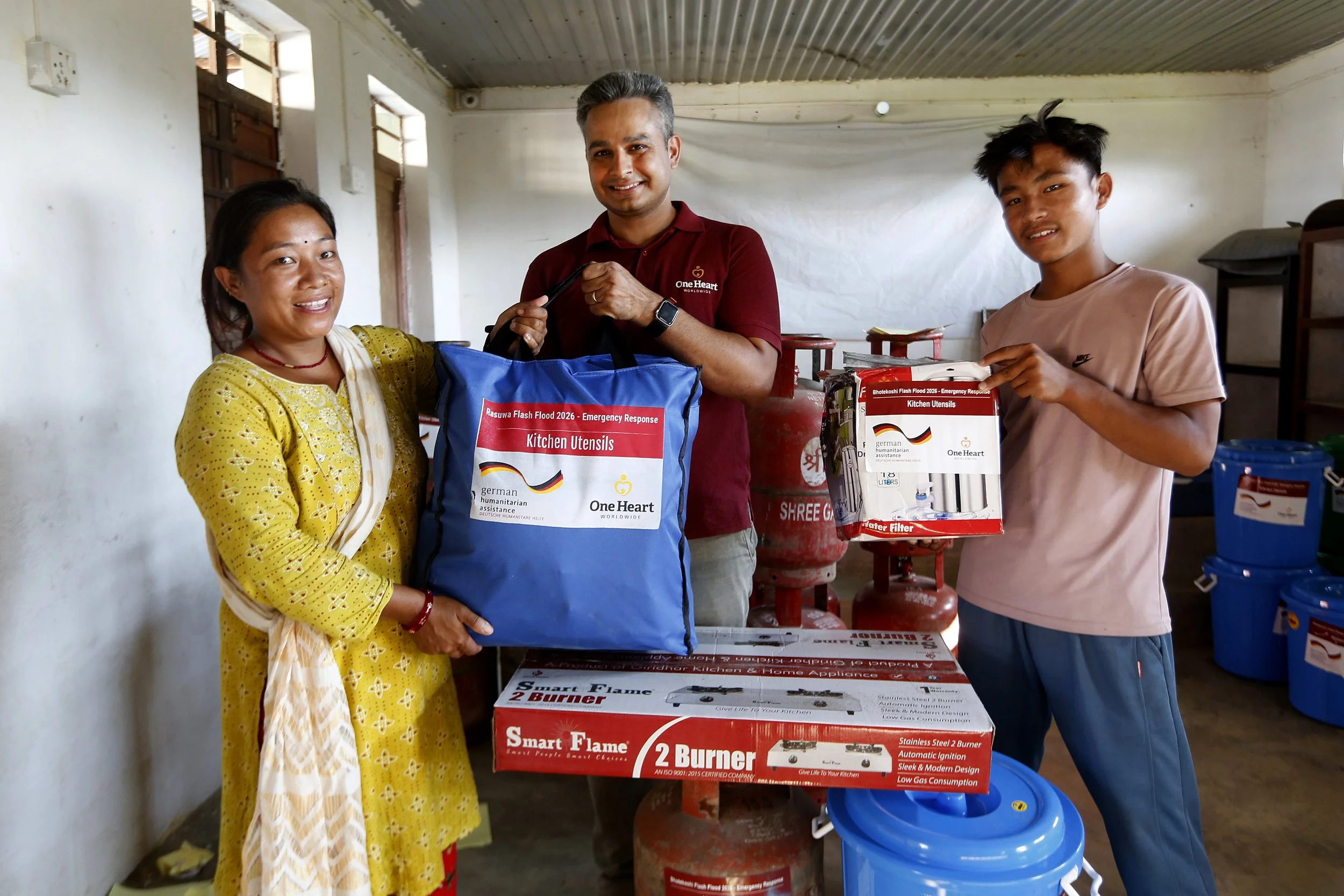
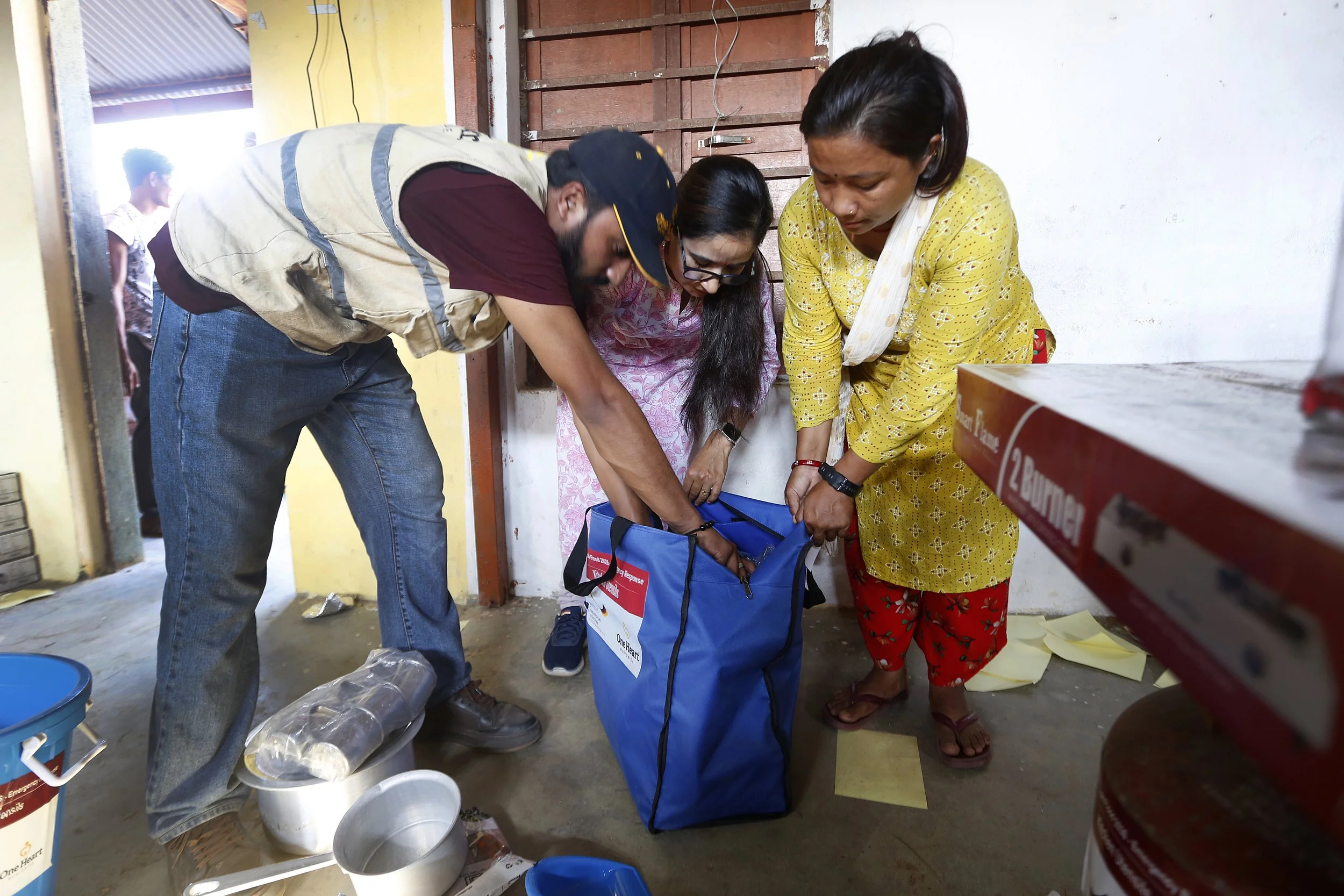
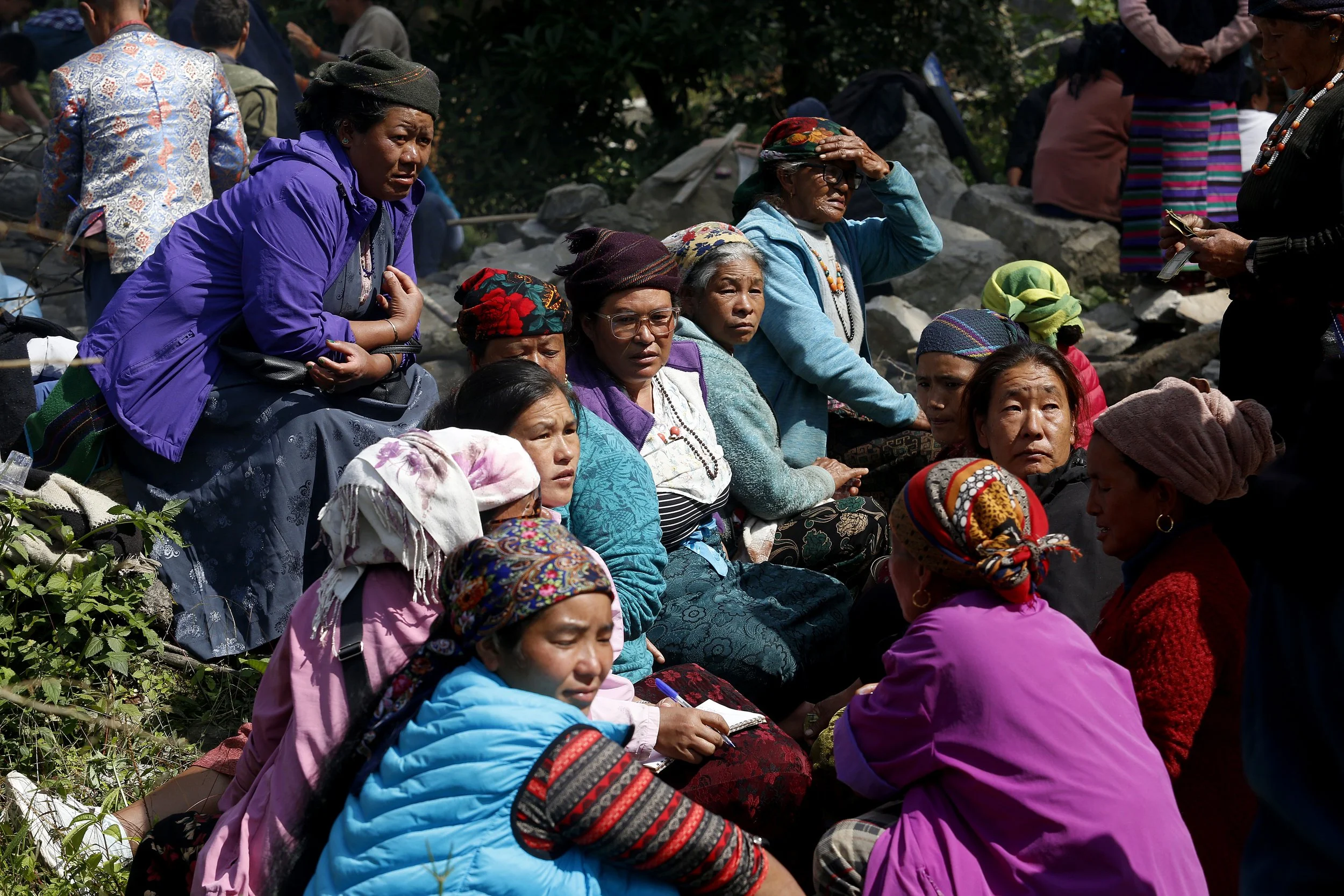
As the first wave of relief gave way to recovery, we shifted our focus to families returning home. We provided 502 displaced families with 28-item kitchen sets so they could cook for themselves again. Across 15 holding centers, we provided bedding and hygiene supplies to help families begin rebuilding daily life.
Care for the unseen wounds
Some of the heaviest losses leave no visible mark. For 188 people living through bereavement and displacement, our counselors provided psychosocial first aid in 34 individual and group sessions, with referrals for those in severe distress, and that support will continue in the months ahead. In the hardest work of all, One Heart Worldwide supplied dead body management kits and DNA-sampling materials to the Nepal Police forensic laboratory, so that families searching for the missing could find answers and dignity.
A response shared across every level
None of this work happened alone. We coordinated with the Government of Nepal at every level, from the Ministry of Health and Food Safety and the provincial and district health authorities to the municipal governments and ward offices, alongside partners including the Nepal Red Cross Society and the Nepal Army.
We are not going anywhere
One Heart Worldwide responded quickly during this emergency response for one reason: we were already there. For years, in partnership with the Government of Nepal, we have worked in these districts to strengthen the local health system and the trust that holds it together. We call this model the Network of Safety, and it is built to last, keeping mothers and newborns safe year after year, including on the day a disaster arrives.
Preparing for what comes next
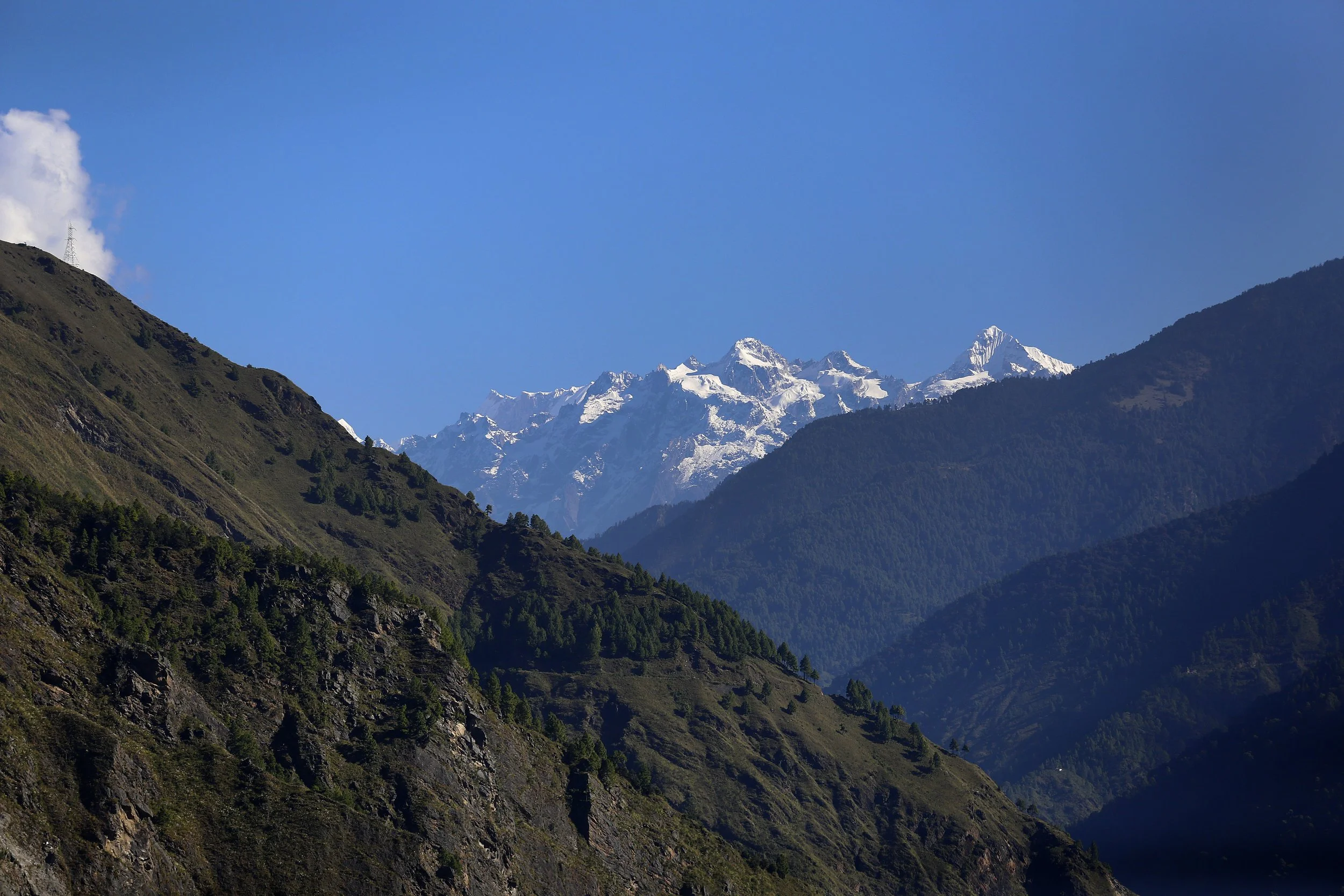
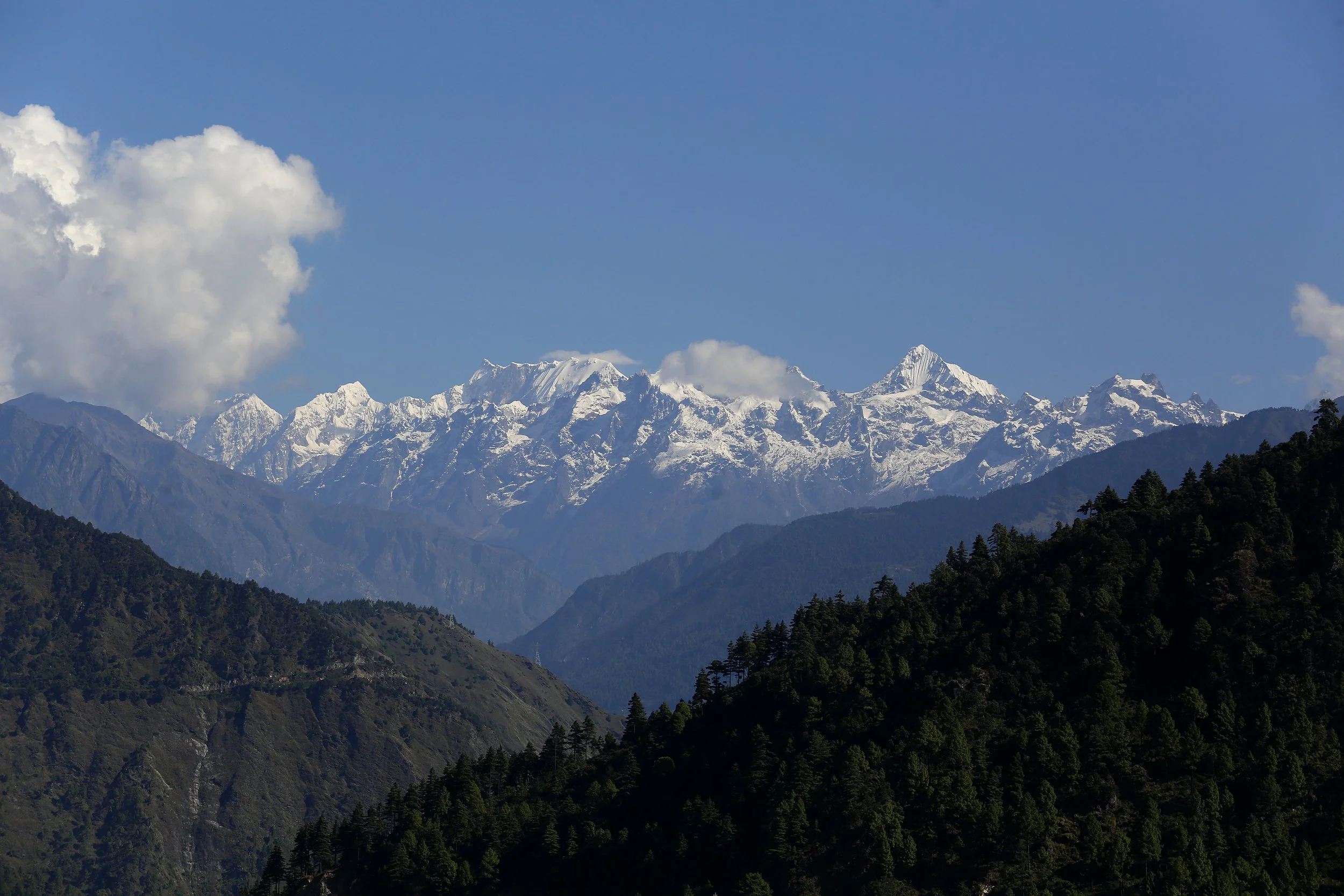
A flood like this one is no longer a rare event. As the climate continues to change, Nepal’s mountain communities are seeing more frequent flooding and landslides, alongside extreme heat, and mothers and newborns are among those with the most to lose. A healthcare system built to last must also be built for a changing climate.
That is why One Heart Worldwide, working with the Government of Nepal, is beginning to build that resilience directly into the maternal and newborn health system. That means renovating health facilities with climate-resilient features, from solar power to safer water and sanitation, and positioning them away from the riverbanks most exposed to disaster. It also means training healthcare providers and community outreach providers to recognize and respond to climate risks and deliver early-action advisories that can warn families before the next emergency arrives.
Climate change is accelerating. Maternal and newborn deaths don't have to.
Learn more about our climate resilience work · Support our work
–
About One Heart Worldwide
One Heart Worldwide aims to make pregnancy and childbirth safer for all. With 16 years of experience in Nepal, we work side by side with the Government of Nepal, at the local, provincial, and federal levels, to strengthen the country's maternal and newborn health system and reach every mother and newborn, no matter where they live.
That deep, local partnership is also what allows us to respond when disaster strikes. Because we are already embedded in these communities, our team can act quickly to protect mothers, newborns, and families in an emergency and stay for the long recovery that follows. Learn more about our work at oneheartworldwide.org.